

Smithsonian Snapshot
A peek into our collections, one object at a time
-

Smithsonian Snapshot
The Star-Spangled Banner Preservation
In 1914, the Smithsonian hired Amelia Fowler, a professional flag restorer, to preserve the flag, which was in delicate condition.
-

Smithsonian Snapshot
Parachute Wedding Dress
This wedding dress was made from a nylon parachute that saved Maj. Claude Hensinger during World War II.
-

Smithsonian Snapshot
Titan Beetle
The titan beetle (Titanus giganteus) is the largest known beetle in the Amazon rain forest.
-

Smithsonian Snapshot
Hawaiian Canoe
On July 18, 2005, this canoe was launched in the Potomac River in a ceremony reminiscent of the Native Hawaii tradition to let canoes “drink of the sea.”
-
Smithsonian Snapshot
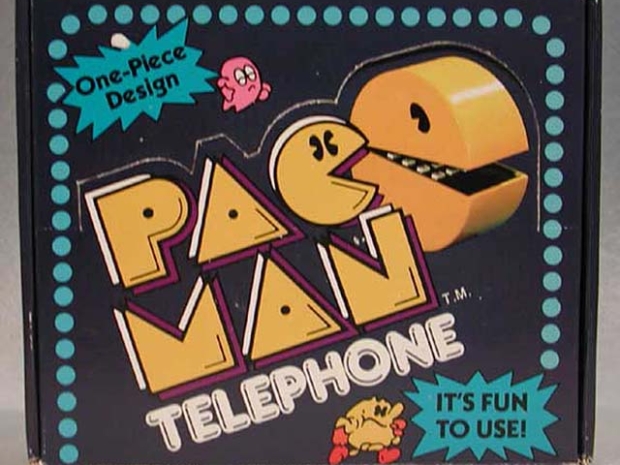
Pac-Man Telephone
During the early 1980s, Pac-Man was everywhere. It was the first video game to spawn a marketing phenomenon.
-

Joe Louis’ Boxing Gloves
Louis wore these in his first of two matches with German boxer Max Schmelling in the 1930s.
-

Smithsonian Snapshot
Lexington Racehorse
Known as one of the greatest racehorses of his day and sire to more winning horses than any other American thoroughbred before or since.
-

Smithsonian Snapshot
Strawberry Dart Frog
Strawberry dart frogs are one of more than 100 species of poison dart frog.
-
Smithsonian Snapshot
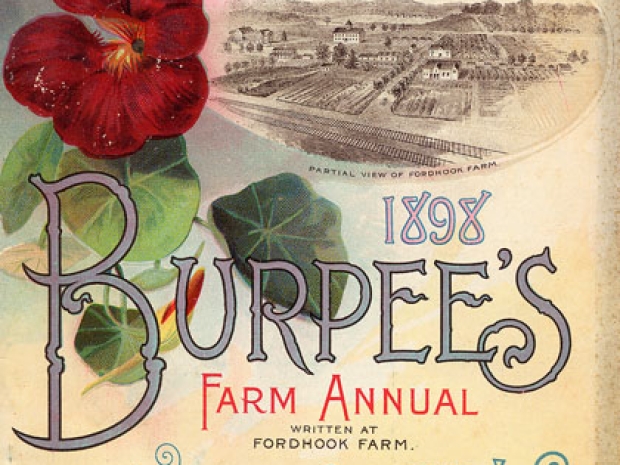
W. Atlee Burpee & Company Seed Co.
The Smithsonian Institution Libraries’ trade catalog collection includes about 10,000 seed and nursery catalogs dating from 1830 to the present.
-

Smithsonian Snapshot
Space Tea
This powdered tea was returned from the first Space Shuttle mission food kit.
-

Smithsonian Snapshot
Liotta-Cooley Artificial Heart
The first total artificial heart implant in the world took place April 4, 1969, in Houston.
-

-

Smithsonian Snapshot
Amelia Earhart Solo Trans-Atlantic Mail
To raise funds for many of her record-breaking flights, she carried and autographed special letters that were sold to philatelists.
-

Smithsonian Snapshot
Eleanor Roosevelt at Tuskegee
Roosevelt’s willingness to fly with an African American pilot had great symbolic value and brought visibility and support to Tuskegee’s pilot-training program.
-
Smithsonian Snapshot
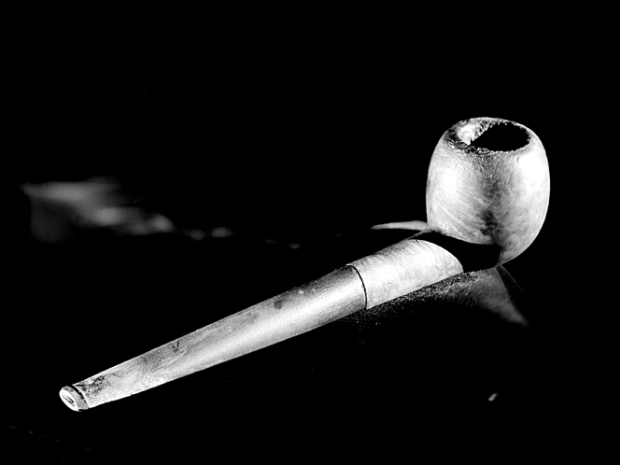
Albert Einstein’s Pipe
This pipe gives evidence of Einstein's long usage in a hole he wore through its bit.
-

Smithsonian Snapshot
Madam C.J. Walker - Hair Product Tin
The daughter of former slaves, Walker became one of the 20th century’s most successful women entrepreneurs.
-

Smithsonian Snapshot
Suffrage Sash
Supporters were urged to “show your colors” by wearing yellow ribbons, buttons and sashes.
-
Smithsonian Snapshot
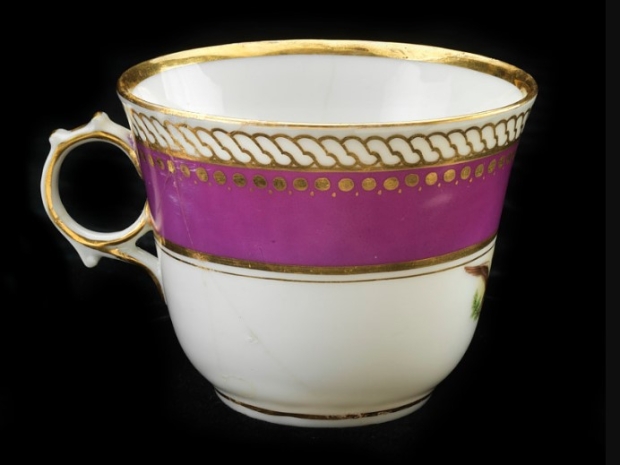
Abraham Lincoln’s Coffee Cup
On the evening of Good Friday, April 14, Lincoln left this coffee cup behind.
-

Smithsonian Snapshot
Muhammad Ali Headgear
Pictured is his Everlast head protector from the 5th Street Gym in Miami
-

Smithsonian Snapshot
Harriet Tubman’s Personal Hymn Book
When gently opened, her favorite hymns are indicated by the book's use.
-

Smithsonian Snapshot
Door Knocker
Convenient, lightweight and easy to grasp, the knocker saved wear and tear on hands and sounded a loud crack to announce the carrier’s arrival.
-

Smithsonian Snapshot
Martin Luther King Speech
Rev. Martin Luther King Jr. speaks at Rankin Chapel at Howard University in Washington, D.C., in December 1956.
-

Smithsonian Snapshot
Soapman
This unusual preservation occurred because water seeped into the casket and brought alkaline soil with it, turning the fats in his body to soap.
-

Smithsonian Snapshot
Inuit Parka
This finely crafted and elaborately beaded inner parka, was made from caribou skin for the mother of a newborn baby.