

Smithsonian Snapshot
A peek into our collections, one object at a time
-

Smithsonian Snapshot
Ford Model A Automobile
On Dec. 2, 1927, Henry Ford debuted the successor to his Ford Model T.
-

Smithsonian Snapshot
Plymouth Rock Piece
According to popular tradition, Plymouth Rock is the landing site of William Bradford and the Mayflower Pilgrims in 1620.
-
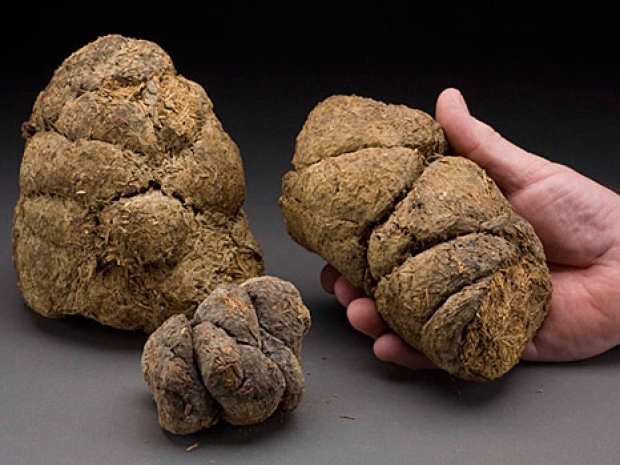
Smithsonian Snapshot
Giant Sloth Dung
April 1941, this fossil dung was collected in the Grand Canyon. It is estimated to be 100,000 years old.
-

-
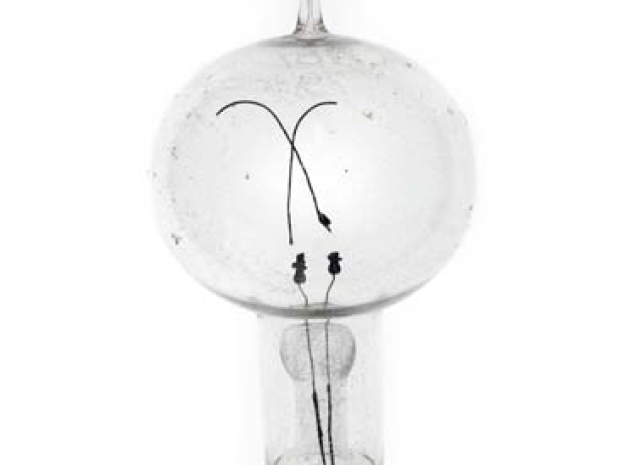
Edison Light Bulb
Thomas Edison used this carbon-filament bulb in the first public demonstration of his most famous invention.
-

Smithsonian Snapshot
Harper’s Weekly Issue
Wilbur Wright flies around the Statue of Liberty in an early Wright Type A Flyer Sept. 29, 1909.
-
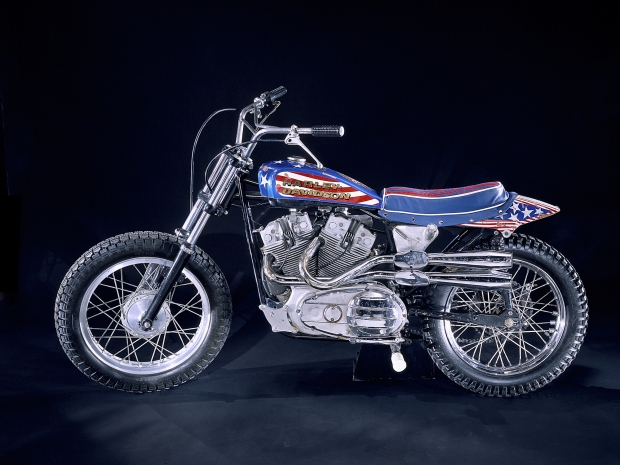
Smithsonian Snapshot
Evel Knievel’s Harley-Davidson XR-750
This custom 1972 Harley-Davidson XR-750 was used in 1975 to jump 14 Greyhound buses.
-
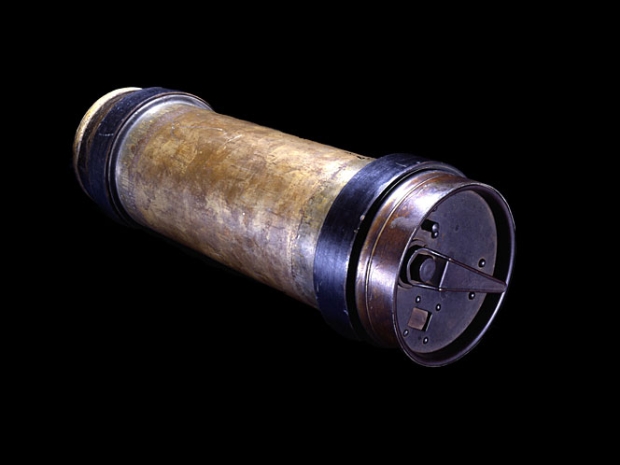
Smithsonian Snapshot
Pneumatic Mail Container
In the late 1890s, networks of pneumatic tube systems were installed under city streets to move the mail.
-

Smithsonian Snapshot
Roberto Clemente’s Baseball Uniform
Roberto Clemente was a legend in life and death—a baseball star and a symbol of Latin American pride.
-

Smithsonian Snapshot
Skyhook Mail Container
In the 1930s, U.S. postal officials tried different ways of moving the mail including “skyhooking.”
-

Smithsonian Snapshot
Duryea Automobile
This 1893-94 Duryea is one of the earliest American-made automobiles.
-
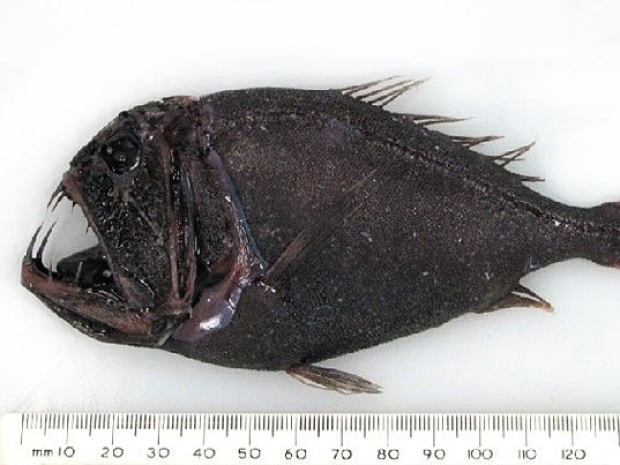
Smithsonian Snapshot
Anoplogaster cornuta, Fangtooth
Relative to body size, it has the largest teeth of any marine species.
-

Smithsonian Snapshot
U.S.S. Enterprise Model, “Star Trek”
Star Trek: The Original Series debuted on NBC on September 8, 1966.
-

Smithsonian Snapshot
Historical Lunch Boxes by Thermos LLC
Beginning in the 1950s, TV transformed the lunch box from an ordinary food conveyor into a storyteller.
-

Smithsonian Snapshot
Scarecrow Costume
Ray Bolger wore this straw-stuffed patchwork costume in the “The Wizard of Oz.”
-

Smithsonian Snapshot
Shire Velocipede
In the late 1860s, the forerunner to the bicycle was the velocipede.
-

Smithsonian Snapshot
American Bison at the Castle
In 1887, these animals were acquired by the Department of Living Animals, which became the National Zoo in 1890.
-

Smithsonian Snapshot
Duncan Genuine Yo-Yo
This wooden yo-yo was made by the Duncan Toys Company in the 1930s.
-
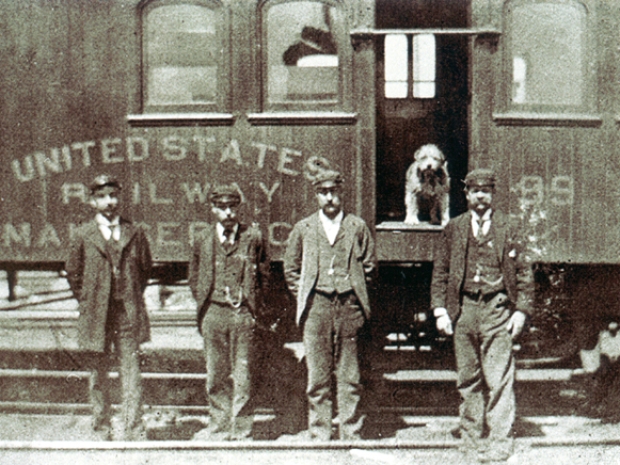
Smithsonian Snapshot
Owney the Dog
The traveling postal dog was a regular feature in newspapers across the country as Owney visited town after town.
-
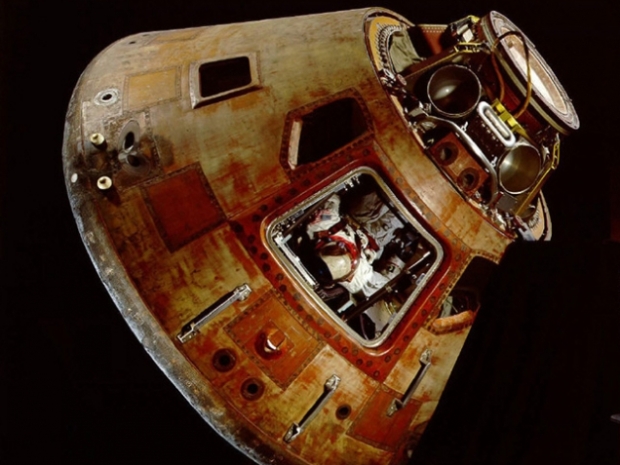
Smithsonian Snapshot
Apollo 11 Command Module
Command Module, "Columbia," was the living quarters for the three-person crew during most of the first manned lunar-landing mission.
-

Smithsonian Snapshot
Dumbo Flying Elephant Disneyland Ride
The Dumbo Flying Elephant ride is an original Disneyland attraction and one of the most popular rides in the park.
-

Smithsonian Snapshot
Seinfeld’s “Puffy Shirt”
On July 5, 1989, NBC officially debuted Seinfeld, the American TV sitcom famously described as a show "about nothing.”
-

Smithsonian Snapshot
Nakhla Meteorite Fragment
Nakhlites, Martian meteorites named for Nakhla, were formed from basaltic magma about 1.3 billion years ago.
-

Smithsonian Snapshot
Good Humor Ice Cream Truck
Good Humor was created by candy-maker Harry Burt in Youngstown, Ohio, in 1920.