Skip to main content Skip to main navigation
heart-solid My Visit Donate
Home Smithsonian Institution IK development site for ODI
Press Enter to activate a submenu, down arrow to access the items and Escape to close the submenu.
    • Overview
    • Museums and Zoo
    • Entry and Guidelines
    • Museum Maps
    • Dine and Shop
    • Accessibility
    • Visiting with Kids
    • Group Visits
    • Overview
    • Exhibitions
    • Online Events
    • All Events
    • IMAX & Planetarium
    • Overview
    • Topics
    • Collections
    • Research Resources
    • Stories
    • Podcasts
    • Overview
    • For Caregivers
    • For Educators
    • For Students
    • For Academics
    • For Lifelong Learners
    • Overview
    • Become a Member
    • Renew Membership
    • Make a Gift
    • Volunteer
    • Overview
    • Our Organization
    • Our Leadership
    • Reports and Plans
    • Newsdesk
heart-solid My Visit Donate
  1. Home
  2. forward-slash
  3. Explore
  4. forward-slash
  5. Collections
  6. forward-slash
  7. Smithsonian Snapshot
  8. forward-slash
  9. Plymouth Rock Piece

Explore

  • Overview
  • Topics
    • Art & Design
    • History & Culture
    • Science & Nature
    • Tech & Innovation
  • Collections
    • Open Access
    • Smithsonian Snapshot
    • Collection Spotlights
  • Research Resources
    • Libraries
    • Archives
  • Stories
  • Podcasts
Smithsonian Snapshot

Plymouth Rock Piece

November 22, 2011
Plymouth Rock Piece, 1620

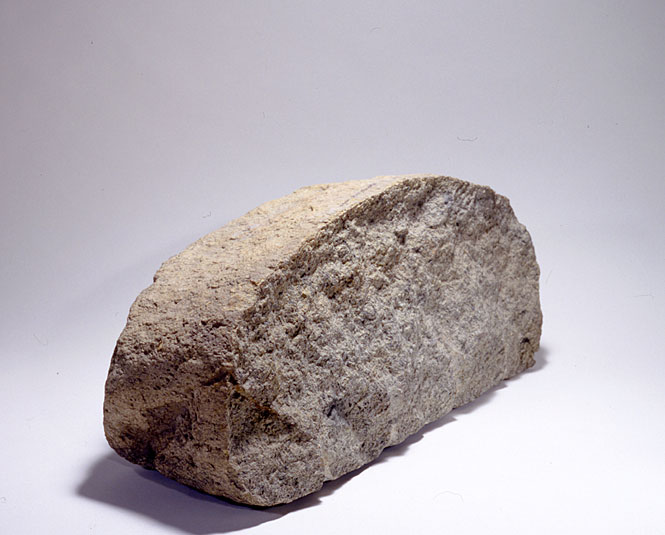
Plymouth Rock Piece, 1620, Harold Dorwin, National Museum of American History

According to popular tradition, Plymouth Rock is the landing site of William Bradford and the Mayflower Pilgrims who settled in Plymouth, Mass., in 1620. Bradford, an English leader of the settlers, also served as the governor of Plymouth Colony for 30 years and is recognized as the first authority to establish what popular American culture now views as Thanksgiving in the U.S.

In 1774, the townspeople of Plymouth decided to transport the rock from the shore to the town’s liberty pole in the town square. When the rock was moved, it split into two halves, and it was decided to leave the bottom portion at its location and move the top half to the town’s meeting house. In 1880 the two pieces were reunited back on the shore and cemented together, but not before a number of pieces had been broken off for souvenirs or other purposes.

In the 1920s, the Plymouth Antiquarian Society inherited a 400-pound piece of the “Mother Rock” when it purchased the Sandwich Street Harlow House and discovered the rock being used as a doorstep. The society broke the doorstep in three pieces and, in 1984, offered a piece to the Smithsonian. In 1985, museum officials traveled to Plymouth to accept the gift.

arrow-up Back to top
Home
  • Facebook facebook
  • Instagram instagram
  • LinkedIn linkedin
  • YouTube youtube

  • Contact Us
  • Get Involved
  • Shop Online
  • Job Opportunities
  • Equal Opportunity
  • Inspector General
  • Records Requests
  • Accessibility
  • Host Your Event
  • Press Room
  • Privacy
  • Terms of Use