Skip to main content Skip to main navigation
heart-solid My Visit Donate
Home Smithsonian Institution IK development site for ODI
Press Enter to activate a submenu, down arrow to access the items and Escape to close the submenu.
    • Overview
    • Museums and Zoo
    • Entry and Guidelines
    • Museum Maps
    • Dine and Shop
    • Accessibility
    • Visiting with Kids
    • Group Visits
    • Overview
    • Exhibitions
    • Online Events
    • All Events
    • IMAX & Planetarium
    • Overview
    • Topics
    • Collections
    • Research Resources
    • Stories
    • Podcasts
    • Overview
    • For Caregivers
    • For Educators
    • For Students
    • For Academics
    • For Lifelong Learners
    • Overview
    • Become a Member
    • Renew Membership
    • Make a Gift
    • Volunteer
    • Overview
    • Our Organization
    • Our Leadership
    • Reports and Plans
    • Newsdesk
heart-solid My Visit Donate
  1. Home
  2. forward-slash
  3. Explore
  4. forward-slash
  5. Collections
  6. forward-slash
  7. Smithsonian Snapshot
  8. forward-slash
  9. Quipu

Explore

  • Overview
  • Topics
    • Art & Design
    • History & Culture
    • Science & Nature
    • Tech & Innovation
  • Collections
    • Open Access
    • Smithsonian Snapshot
    • Collection Spotlights
  • Research Resources
    • Libraries
    • Archives
  • Stories
  • Podcasts
Smithsonian Snapshot

Quipu

November 8, 2011
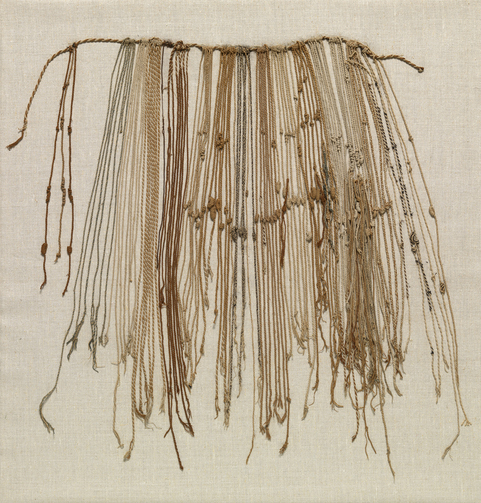
Quipu, AD 1400 - 1532

Quipu, AD 1400 - 1532, Smithsonian's National Museum of the American Indian

Quipus (kee-poo), sometimes called talking knots, were recording devices used by the Inka Empire, the largest empire in pre-Columbian America.

The word quipu comes from the Quechua word for “knot.” A quipu usually consisted of colored, spun and plied thread or strings from llama hair. Historic documents indicate that quipus were used for record keeping and sending messages by runner throughout the empire. The color, knot placement and type of cord are all part of the logical numerical reading of the quipu.

Quipu is very ancient in the Andes, but most of the existing quipu are from the Inka period, approx 1400–1532 CE. The Inka Empire stretched from Ecuador through central Chile and was centered on the Andean mountain ranges of Peru.

There are approximately 600 surviving quipu in museums and private collections around the world.

It is currently on display in the exhibition “Infinity of Nations” at the National Museum of the American Indian, Heye Center in New York City.

arrow-up Back to top
Home
  • Facebook facebook
  • Instagram instagram
  • LinkedIn linkedin
  • YouTube youtube

  • Contact Us
  • Get Involved
  • Shop Online
  • Job Opportunities
  • Equal Opportunity
  • Inspector General
  • Records Requests
  • Accessibility
  • Host Your Event
  • Press Room
  • Privacy
  • Terms of Use