
Smithsonian Stories
Stories that spark curiosity from the world’s largest museum, education, and research complex.
-
Smithsonian Libraries
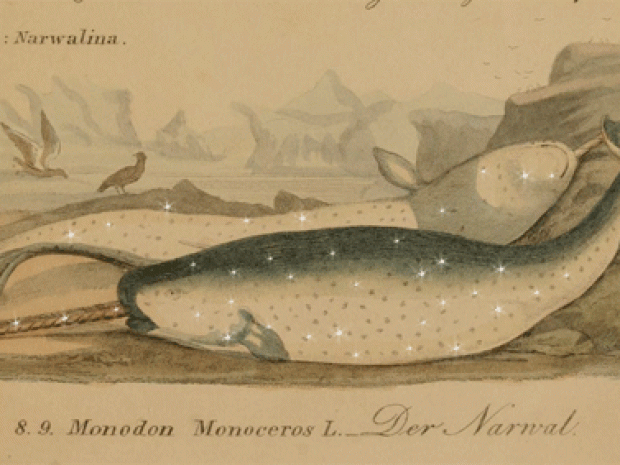
The Unicorns of the Sea: Narwhals
Not only are they real, narwhals are central to the Inuit people native to Greenland, Alaska, and Canada.
-

Smithsonian Story
Changing Climate and Parasites
Parasites are facing major extinctions, and museum natural history collections hold the key to research.
-

Smithsonian Story
Yoko Ono’s “My Mommy is Beautiful”
Hirshhorn visitors fill Yoko Ono’s work with intimacy and intensity.
-

Smithsonian Story
The Beautiful and Bizarre Treehopper
Like mosquitoes, treehoppers and their close relatives, leafhoppers, spread diseases, sometimes deadly, to their hosts.
-
National Museum of American History
Americans Eat a Lot of Waffles
Pass the syrup and enjoy a slice of history for National Waffle Day. -

Smithsonian Snapshot
If Dogs Could Fly
The dog days of summer would be a bit cooler for puppies if they could be unleashed to fly around the neighborhood.
-
Archives of American Art
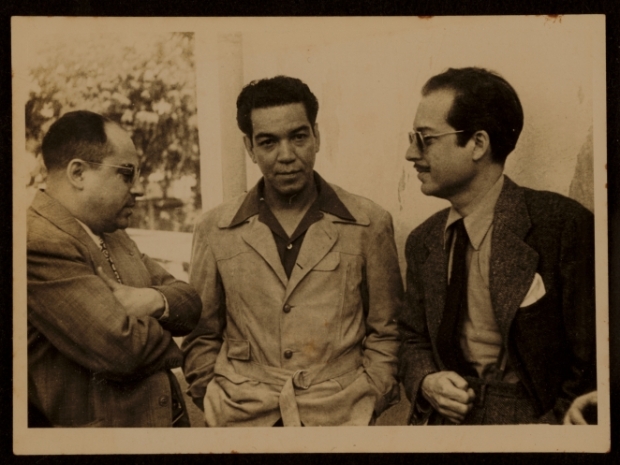
Cantinflas: The Charlie Chaplin of Mexico
Mario Moreno, professionally known as Cantinflas, was an iconic Mexican film actor, producer and writer.
-
National Museum of African Art
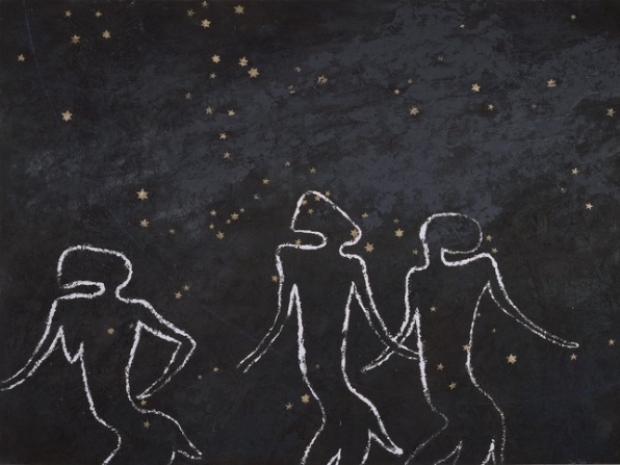
Milky Way Myth
Among the hunter-gatherers of sub-Saharan Africa known as the Khoisan, a myth has been passed on for generations.
-
Smithsonian Story
Invasive Ash Borer Found in Chesapeake Bay Area
A tiny invasive insect from Asia might have an effect on Chesapeake Bay waters. -
-

Smithsonian Story
Why Does the Sun Flip Its Magnetic Field Every 11 Years
Scientists may now be able to explain why the Sun’s magnetic field reverses every eleven years.
-

-

Smithsonian Story
What Species Will Be Earth’s Last Survivors?
Scientists determine the world’s most indestructible species will survive until the Sun dies.
-

-

Smithsonian Story
Pedro Pan: A Children’s Exodus from Cuba
Learn the story of the thousands of unaccompanied children who were sent from Cuba to Miami in the early 1960s.
-

Smithsonian Snapshot
Georgia O’Keeffe at Home
In 1966, Life magazine sent photographer John Loengard to document a day in the life of artist Georgia O’Keeffe.
-

Smithsonian Story
The Keeping of the Star-Spangled Banner: A Story of Emblematic Resilience
An elite team of wool experts, scientists, and conservators ensures the flag is "still there."
-
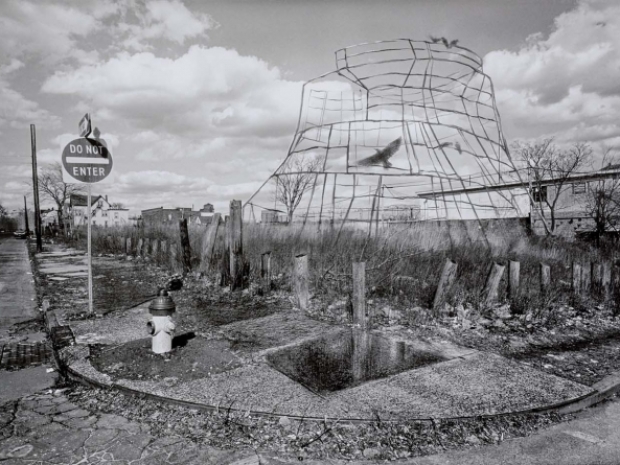
Smithsonian Snapshot
Down These Mean Streets
Urban landscapes and the possibilities of revitalization.
-

-

Smithsonian Snapshot
Scraps: From Treasure to Trash to Treasure
Learn about creative, alternative approaches to confronting textile waste.
-

Smithsonian Snapshot
I Wanna Rock!
The hand gesture known as devil horns, or rock horns, gained popularity at 1970s heavy-metal concerts as a staple of audience appreciation.
-
Smithsonian Story
Resin from Shipwreck Hints at Trade Routes and Botany of Ancient Asia
By examining an 800-year-old piece of resin or tree sap, a Smithsonian scientist is helping reconstruct ancient sea trading routes and human uses of plants. -
Smithsonian Story
Ancient Native American Beads Traced to Otherworldy Source: An Iron Meteorite
How the Hopewell came by enough near-pure iron to produce a handful of exotic beads, small tools, and other decorations. -
Smithsonian Story
New Technique Helps ID Real and Fake Ivory
At $1,500 per pound, ivory ranks fourth in black-market traded items, behind illegal drugs, weapons, and humans.


