Smithsonian Stories
Stories that spark curiosity from the world’s largest museum, education, and research complex.
-
Smithsonian Libraries
The Color Purple
Pantone's Color of the Year for 2018 is Ultra Violet—similar to "Perkin's purple," which rocked the 19th-century fashion world. -
Smithsonian Story
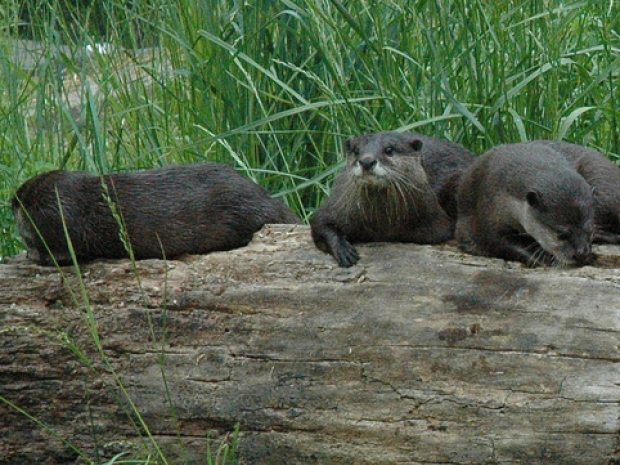
Chatty Giant Otter Families
Each one has a unique chorus, which may help scientists protect them. -

-
National Museum of American History
Remember Pearl Harbor
A teacher’s letters describe watching the surprise attack from her home in the hills above Pearl Harbor. -
National Museum of American History
A Closer Look at a Living Memorial
Unlike most memorials or quilts, the AIDS Quilt is a living memorial—growing and changing with the addition of each new panel. -

National Museum of American History
Hamilton Costume
Broadway’s Hamilton costume tells story of philanthropy.
-

Smithsonian Story
X-ray “Reality” Show
Navigate through real data of the remains of an exploded star in 3D.
-
Smithsonian Story
Dressed for the Image
Marlene Dietrich was curating an Instagram-perfect image for herself 80 years before Instagram was invented. -

-
Smithsonian Story
DNA on 100-Year-Old Bat May Help Fight Deadly Fungus
A National Museum of Natural History bat specimen, collected in France at the end of World War I, may hold important clues. -
Smithsonian Story
Fierce Buddhist Sculptures Kept Demons at Bay
In a tumultuous period, Japanese Buddhists turned to their faith for protection. -
National Air and Space Museum
Apollo 11: One Small Step
On July 20, 1969, astronauts Neil Armstrong and Buzz Aldrin became the first humans to step foot on the moon. -

Smithsonian Snapshot
Pumpkin Palooza
In the late 1800s and early 1900s, Halloween became a popular national holiday in the U.S., and crepe paper was commonly used for decorating.
-
National Museum of American History
Rabies Prevention Inventions
Investigate why controlling rabies requires effective methods to deliver vaccines to people, pets, and wild animals. -
Center for Folklife and Cultural Heritage
Korean Fried Chicken, a Transnational Comfort Food
Forklife traces the journeys of immigrant food traditions taking root in the United States. -
National Museum of American History
Healthy Hogs for a Healthy Nation
Learn how the control of disease in livestock in the 1800s was a very real concern across much of the nation as it is today. -
National Museum of Natural History
Ocean Acidification
Learn about “climate change’s evil twin” with the Smithsonian's Ocean Portal. -

Smithsonian Story
Sea Nettle Jellyfish Discovery
Scientists discover common sea nettle jellyfish is actually two distinct species.
-
Smithsonian Snapshot
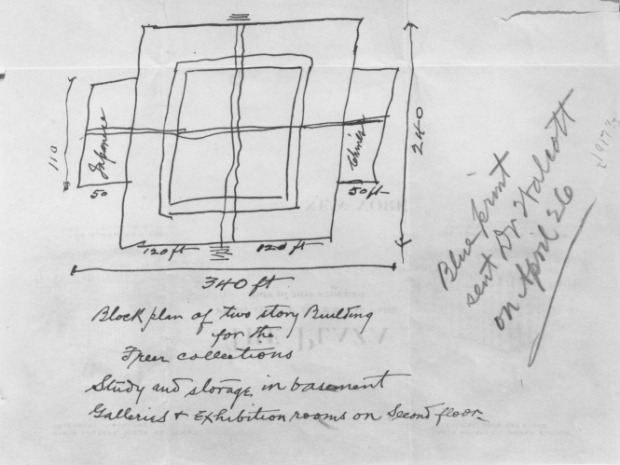
A First Draft
Freer's ideas for a classical, well-proportioned building on a piece of hotel stationery.
-

Smithsonian Story
What Makes a Great Rock ’n’ Roll Photo?
Rock ’n’ roll musicians live forever in the mind’s eye thanks to iconic photos of them in their element, playing live.
-

-

Smithsonian Snapshot
Buddha With Bite
Meditating on Heruka’s image enables practitioners to destroy all mental obstacles to enlightenment.
-

Smithsonian Story
Eons before Viral Kitten Videos, Ancient Egyptians Adored Cats
Explores how Egyptians regarded and revered cats for some 2,600 years.
-
National Museum of American History
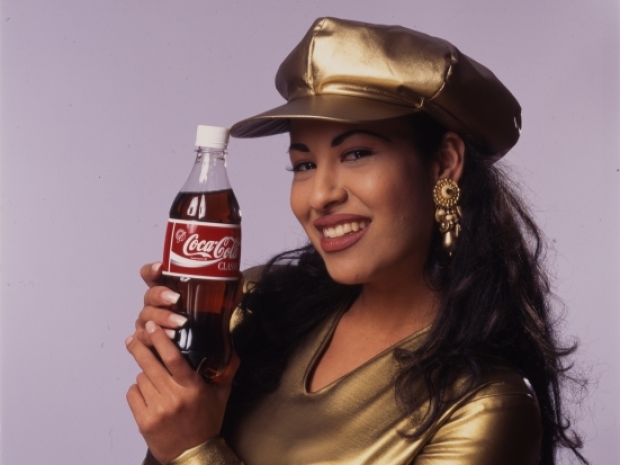
Selena Coke Ad
Hispanic advertising history includes Selena as spokesperson for Coca-Cola.