

Natural History
Explore Science & Nature
Smithsonian scientists and researchers work to understand the natural history of Earth. They explore how the Earth and its inhabitants have changed and adapted over time. They explore questions about plants, animals, and other organisms—including humans—in their natural environments. Aiding researchers across the globe, the National Museum of Natural History maintains and preserves the world’s most extensive collection of natural history specimens.
Earth History and Geology
Geologists and other scientists at the Smithsonian work to understand the processes that have shaped the Earth and other planets. Scientists at the National Museum of Natural History study environments and mineral samples from the Earth's interior to the asteroid belt. Additionally, geologists at the National Air and Space Museum’s Center for Earth and Planetary Studies conduct research on planetary geology and geophysics.

Smithsonian Collection Spotlight
Minerals and Gems

Smithsonian Story
Bennu Asteroid Reveals Its Contents to Scientists
The asteroid provides clues to how the building blocks of life on Earth may have been seeded.

Meet a Scientist
Geology Can Be More than Just Rocks
Meet a geologist who analyzes everything from flea fossils to asteroids in support of all science.

National Museum of Natural History
Volcanoes of the World

Smithsonian Story
When Will a Volcano Explode?
Volcanoes are a source of fascination for many, attracting a steady stream of visitors worldwide.

National Air and Space Museum
Geologic Maps: Where Science Meets Art
Unearthing the Fossil Record
Paleobiologists at the Smithsonian study fossil animals, plants, and single-celled organisms to understand the biological and environmental history of Earth. The National Fossil Collection at the National Museum of Natural history holds more than 40 million fossil specimens from around the world. These fossils record the history of life on Earth over the last 3.5 billion years. The collection continues to grow in scope and serves as a primary resource for researchers worldwide.

Smithsonian Story
Fossils Help Scientists Build a Picture of the Past—and Present
What lessons does the response of prehistoric plants to rapid climate change hold for today?
Smithsonian 3D
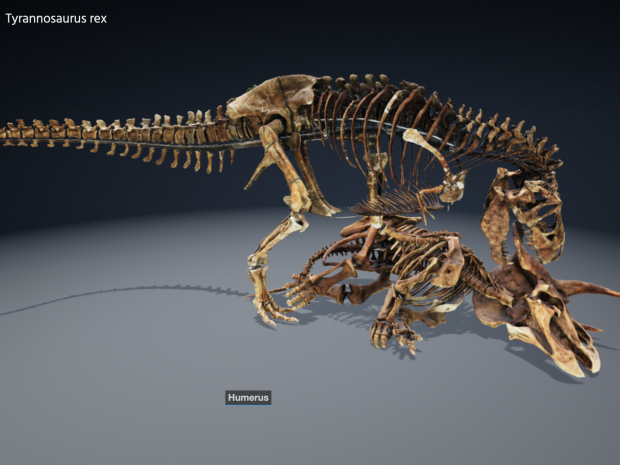
Tyrannosaurus and Triceratops

Sidedoor Podcast
The Dinosaur War
Behind the fossilized teeth, bones, and claws displayed in the National Museum of Natural History’s Fossil Hall is the story of two men and a nasty feud.

Smithsonian Story
Could Dinosaurs Still Exist?
One group of dinosaurs is still around. To find them, just go outside and look up.

Smithsonian Story
Five Amazing Fossil Finds
Check out these five amazing finds in celebration of National Fossil Day in October.

Understanding Life on Earth
Biology is the scientific study of living organisms, including plants and animals. Scientists at the National Museum of Natural History are active in the fields of botany, entomology, invertebrate zoology, and vertebrate zoology. Scientists in Panama at the Smithsonian Tropical Research Institute focus on tropical ecosystems and biology, while researchers at the Smithsonian Environmental Research Center in Edgewater, Maryland, zoom in on coastal biology.

Around the Smithsonian
Animals and Ecosystems

National Museum of Natural History
Insect Info

Plant Collections
The National Museum of Natural History and Smithsonian Gardens are home to vast collections of plants.
Anthropology
Anthropology is the study of humans and their societies in the past and present. Research at the National Museum of Natural history spans from the emergence of our earliest ancestors to the ways communities sustain their cultures today. The Smithsonian's Center for Folklife and Cultural Heritage's curators and scholars draw from anthropology, folklore, ethnomusicology, and a broad range of cultural studies to promote greater understanding and sustainability of cultural heritage across the United States and around the world.

Smithsonian Collection Spotlight
Ancient Egypt

Smithsonian Collection Spotlight
Indigenous Voices

National Museum of Natural History
A Natural History of the Cellphone

Center for Folklife and Cultural Heritage
Folklife and Cultural Heritage

Smithsonian Global
Preserving Mongolian Culture

Smithsonian Story
Why Languages Become Endangered, and How We Can Keep Them Alive
Animal species can become endangered, but what about languages?

Smithsonian Story
Eons before Viral Kitten Videos, Ancient Egyptians Adored Cats
Explores how Egyptians regarded and revered cats for some 2,600 years.

Smithsonian Story
Ancient Ink: Iceman Otzi Has World's Oldest Tattoos
The debate about the world’s oldest tattoos is over.
Smithsonian Story
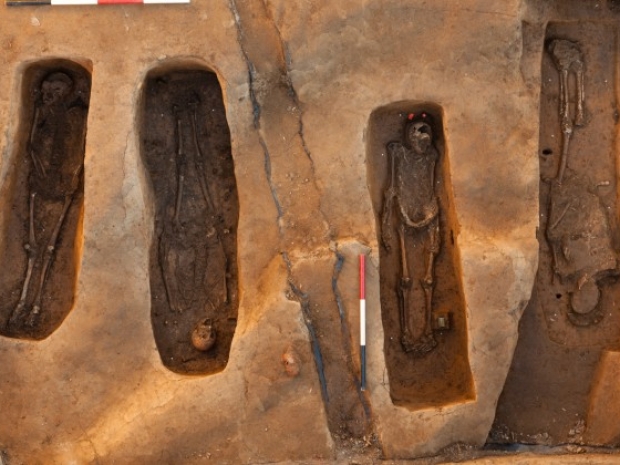
Jamestown Colony Skeletons Identified
Forensic anthropologists and archaeologists piece together just who the four men were.