Skip to main content Skip to main navigation
heart-solid My Visit Donate
Home Smithsonian Institution IK development site for ODI
Press Enter to activate a submenu, down arrow to access the items and Escape to close the submenu.
    • Overview
    • Museums and Zoo
    • Entry and Guidelines
    • Museum Maps
    • Dine and Shop
    • Accessibility
    • Visiting with Kids
    • Group Visits
    • Overview
    • Exhibitions
    • Online Events
    • All Events
    • IMAX & Planetarium
    • Overview
    • Topics
    • Collections
    • Research Resources
    • Stories
    • Podcasts
    • Overview
    • For Caregivers
    • For Educators
    • For Students
    • For Academics
    • For Lifelong Learners
    • Overview
    • Become a Member
    • Renew Membership
    • Make a Gift
    • Volunteer
    • Overview
    • Our Organization
    • Our Leadership
    • Reports and Plans
    • Newsdesk
heart-solid My Visit Donate

Indigenous Voices

Nineteenth and early 20th–century written notes on spoken Native American languages are valuable in the effort to sustain and revive these languages after a long history of suppression and loss. Many of the notes have been transcribed by Smithsonian online volunteers through our Transcription Center and are now available for researchers. There is also movement to revive sign language that allowed tribes to communicate across hundreds of spoken languages. To sample recorded music from a wide range of Native American cultures past and present, visit Smithsonian Folkways Recordings.

The Smithsonian’s Recovering Voices program collaborates with contemporary Native communities to unearth cultural knowledge embedded in the texts held in museum collections.

The Smithsonian's annual Mother Tongue Film Festival celebrates cultural and linguistic diversity by showcasing films and filmmakers from around the world.


What is Recovering Voices

Cherokee Syllabary

We're Still Here: The Cherokee Syllabary

Book/Booklet

Cherokee Syllabary Flashcards

Sharing the Iñupiaq Language

The Power of Words: Native Languages as Weapons of War

Sharing the Dena'ina Language

Sequoyah

Indian Speech and Music Recorded in the Bureau Laboratories

MS 3536 Cherokee vocabulary in Powell's Introduction to the Study of Indian Languages

Hula: Preserving Native Hawaiian Language and Culture

MS 4800 James O. Dorsey papers

Recovering Voices- Sustaining Global Linguistic Diversity

Dakota War cartes-de-visite

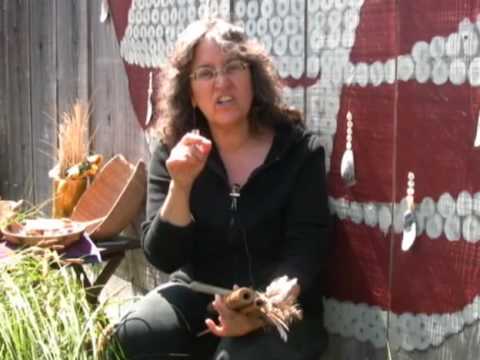
Reviving the Ohlone Language

MS 2531 James Mooney notebooks principally regarding Kiowa, Cheyenne, and Arapaho shield and tipi designs

Cup with Cherokee syllabary inscription

English-Cherokee Syllabary Dictionary

MS 3462 Cherokee drawings of plants

MS 1669 Two sermons in the Aztec Indian language

American Indian vocabularies and grammatical notes. 1893

Ihanktonwan Nakota delegates Long Foot and Little Bird, Washington, D.C.

MS 235 Notes on the Sac (Sauk) language

MS 1657 A vocabulary of 780 words of the Jemez language, with an English equivalent

Deaconess Harriet M. Bedell photographs

MS 21 Miami vocabulary in Department of the Interior schedule

Hall's notes no the Esquimaux vocabulary

.028, [Notes Taken by Hall on the Esquimaux [Inuktut] Vocabulary]

MS 46 Comparative Vocabulary of the Penobsquate or Penobscot Indians

MS 4617 Seminole vocabulary

Voices of Our Ancestors

arrow-up Back to top
Home
  • Facebook facebook
  • Instagram instagram
  • LinkedIn linkedin
  • YouTube youtube

  • Contact Us
  • Get Involved
  • Shop Online
  • Job Opportunities
  • Equal Opportunity
  • Inspector General
  • Records Requests
  • Accessibility
  • Host Your Event
  • Press Room
  • Privacy
  • Terms of Use