Skip to main content Skip to main navigation
heart-solid My Visit Donate
Home Smithsonian Institution IK development site for ODI
Press Enter to activate a submenu, down arrow to access the items and Escape to close the submenu.
    • Overview
    • Museums and Zoo
    • Entry and Guidelines
    • Museum Maps
    • Dine and Shop
    • Accessibility
    • Visiting with Kids
    • Group Visits
    • Overview
    • Exhibitions
    • Online Events
    • All Events
    • IMAX & Planetarium
    • Overview
    • Topics
    • Collections
    • Research Resources
    • Stories
    • Podcasts
    • Overview
    • For Caregivers
    • For Educators
    • For Students
    • For Academics
    • For Lifelong Learners
    • Overview
    • Become a Member
    • Renew Membership
    • Make a Gift
    • Volunteer
    • Overview
    • Our Organization
    • Our Leadership
    • Reports and Plans
    • Newsdesk
heart-solid My Visit Donate

Explore

  • African American Music
  • Roots
  • Jazz and Blues
  • Achievements and Impact
  • Resistance and Politics
  • Connecting Through Music
  • Paintings of African American Musicians
  • Photographs
  • Instruments
  • NMAAHC Collections
  • Credits and Additional Materials

African American Music

Roots of African American Music

Smithsonian Music

African American music cannot be separated from the transatlantic slave trade and the forced transportation of millions of African people across the Atlantic who were then enslaved. The cultures from which they were torn and the conditions into which they were forced both contributed to the sounds of African American music. Many of the instruments historically used in African American music, including the banjo and the drum, have antecedents in African musical instruments, and many features common to African American music likewise have roots in African musical traditions, such as the call and response song form and an immersive approach to singing.

Slaves' lives were restricted in innumerable ways, but among them included limits on literacy and property ownership. Music was therefore passed down orally, and early records of African American music indicate that songs changed frequently, not just from singer to singer, but also from day to day when sung by the same musician. Music was a solace, a community-builder, and voice for hope during enslavement and afterward, in the days of Reconstruction and then Jim Crow.

Although many of them are less well known than their later counterparts, there were plenty of professional African American musicians and singers during Reconstruction, including a group of African American university students, led by their music instructor, and billed as the Fisk Jubilee Singers. They sang African American folk music and religious music, including slave songs, to white audiences, and raised enough money through their ventures to fund a building on campus named, appropriately, Jubilee Hall.

  • National Museum of African American History and Culture 11 Filter by term plus Exclude term minus
  • Smithsonian Center for Folklife and Cultural Heritage 4 Filter by term plus Exclude term minus
  • National Portrait Gallery 3 Filter by term plus Exclude term minus
  • Smithsonian Libraries 3 Filter by term plus Exclude term minus
  • Photographs 7 Filter by term plus Exclude term minus
  • Books 5 Filter by term plus Exclude term minus
  • Video recordings 4 Filter by term plus Exclude term minus
  • Music 2 Filter by term plus Exclude term minus
  • Portraits 2 Filter by term plus Exclude term minus
  • Stereographs 2 Filter by term plus Exclude term minus
  • Biographies 1 Filter by term plus Exclude term minus
  • Broadsides (notices) 1 Filter by term plus Exclude term minus
  • Handbills 1 Filter by term plus Exclude term minus
  • Hardcover books 1 Filter by term plus Exclude term minus
  • African Americans 14 Filter by term plus Exclude term minus
  • Africans 2 Filter by term plus Exclude term minus
  • Christians 2 Filter by term plus Exclude term minus
  • 1800s 2 Filter by term plus Exclude term minus
  • 1810s 1 Filter by term plus Exclude term minus
  • 1820s 1 Filter by term plus Exclude term minus
  • 1850s 2 Filter by term plus Exclude term minus
  • 1860s 2 Filter by term plus Exclude term minus
  • 1870s 12 Filter by term plus Exclude term minus
  • 1880s 4 Filter by term plus Exclude term minus
  • 1890s 2 Filter by term plus Exclude term minus
  • 2000s 2 Filter by term plus Exclude term minus
  • 2010s 2 Filter by term plus Exclude term minus
  • United States 10 Filter by term plus Exclude term minus
  • North and Central America 9 Filter by term plus Exclude term minus
  • Davidson County 3 Filter by term plus Exclude term minus
  • Nashville 3 Filter by term plus Exclude term minus
  • Tennessee 3 Filter by term plus Exclude term minus
  • New York City 2 Filter by term plus Exclude term minus
  • South Carolina 2 Filter by term plus Exclude term minus
  • West Africa 2 Filter by term plus Exclude term minus
  • Baltimore 1 Filter by term plus Exclude term minus
  • Beaufort County 1 Filter by term plus Exclude term minus
  • National Museum of African American History and Culture Collection 11 Filter by term plus Exclude term minus
  • Photographs and Still Images 4 Filter by term plus Exclude term minus
  • smithsonianfolkways 4 Filter by term plus Exclude term minus
  • Musical Instruments 3 Filter by term plus Exclude term minus
  • National Portrait Gallery Collection 3 Filter by term plus Exclude term minus
  • Slavery and Freedom Objects 3 Filter by term plus Exclude term minus
  • Books and Published Materials 2 Filter by term plus Exclude term minus
  • Currently not on view 2 Filter by term plus Exclude term minus
  • Memorabilia and Ephemera - Advertisements 2 Filter by term plus Exclude term minus
  • NMAAHC (1400 Constitution Ave NW), National Mall Location, Concourse 3, C3 053 2 Filter by term plus Exclude term minus
  • Music 10 Filter by term plus Exclude term minus
  • Photography 6 Filter by term plus Exclude term minus
  • Slavery 6 Filter by term plus Exclude term minus
  • Cultural property 4 Filter by term plus Exclude term minus
  • HBCUs (Historically Black Colleges and Universities) 4 Filter by term plus Exclude term minus
  • Musicians 4 Filter by term plus Exclude term minus
  • Spirituals (Music) 4 Filter by term plus Exclude term minus
  • Arts and Culture 3 Filter by term plus Exclude term minus
  • Child musicians 3 Filter by term plus Exclude term minus
  • Design 3 Filter by term plus Exclude term minus
  • CC0 16 Filter by term plus Exclude term minus
  • Usage conditions apply 5 Filter by term plus Exclude term minus

Filter Settings

Excluded:

  • Remove Rights & Restrictions: Not determined close

Wooden drum used on the Sea Islands, South Carolina

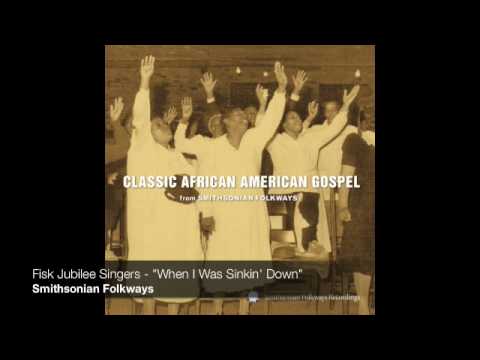
Fisk Jubilee Singers - "When I Was Sinkin' Down" [Official Audio]

Handbill for a performance by the Fisk Jubilee Singers

The story of the Jubilee Singers with their songs by J.B.T. Marsh

Music of the African Diaspora [Live at Smithsonian Folklife Festival 1997]

Gospel Hymns No. 2

Frontispiece to "The Story of the Jubilee Singers: With Their Songs"

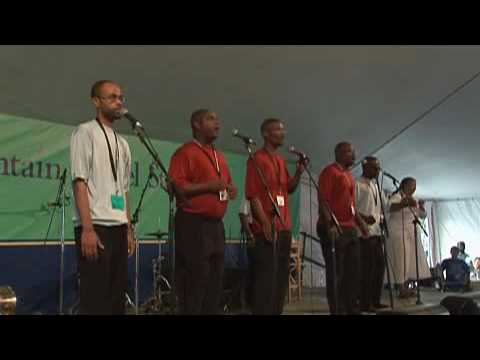
The Paschall Brothers - "God Said He Would Move..." [Live at Smithsonian Folklife Festival 2007]

Flute made for Blind Tom by William R. Meinell with original instrument case

Carte-de-visite of the Jubilee Singers

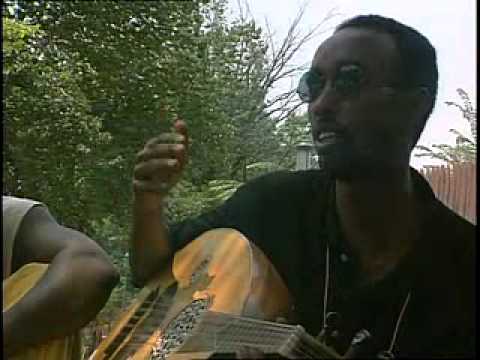
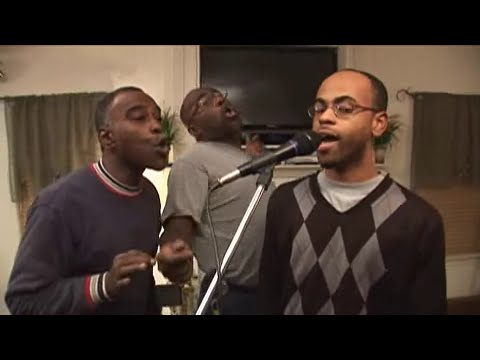
The Paschall Brothers - "I'll Be Satisfied" [Behind the Scenes Documentary]

Photograph postcard of the Jenkins Orphanage Band, Charleston, South Carolina

Slave songs of the United States

Bob and His Fiddle

The Jubilee Singers : and their campaign for twenty thousand dollars / by G.D. Pike ; with photographs by Black

Banjo made in the style of William Esperance Boucher, Jr.

Broadside for the musical drama "Out of Bondage"

Fisk Jubilee Singers

The Story of the Jubilee Singers: With Their Songs

Jubilee Singers, Fisk University, Nashville, Tennessee

W.C. Handy

arrow-up Back to top
Home
  • Facebook facebook
  • Instagram instagram
  • LinkedIn linkedin
  • YouTube youtube

  • Contact Us
  • Get Involved
  • Shop Online
  • Job Opportunities
  • Equal Opportunity
  • Inspector General
  • Records Requests
  • Accessibility
  • Host Your Event
  • Press Room
  • Privacy
  • Terms of Use