

Animals and Ecosystems
Explore Science & Nature
The Smithsonian recognizes the need for basic research, species and habitat protection, and conservation in order to safeguard Earth's biodiversity. Research, collaborations, and public outreach initiatives contribute to scientific knowledge and public awareness, and play a role in protecting habitats and promoting sustainable practices. Smithsonian research happens across the globe and at our research centers based at the Natural Museum of Natural History, the Smithsonian Conservation Biology Institute, the Smithsonian Environmental Research Center, and the Smithsonian Tropical Research Institute.
How We Save Species
The Smithsonian is dedicated to advancing the science of species conservation. We conduct research on endangered species, study their behavior and ecology, and develop innovative conservation techniques. We also operate extensive captive breeding programs to restore endangered populations and conduct reintroduction efforts to establish species back into the wild.
Smithsonian Story
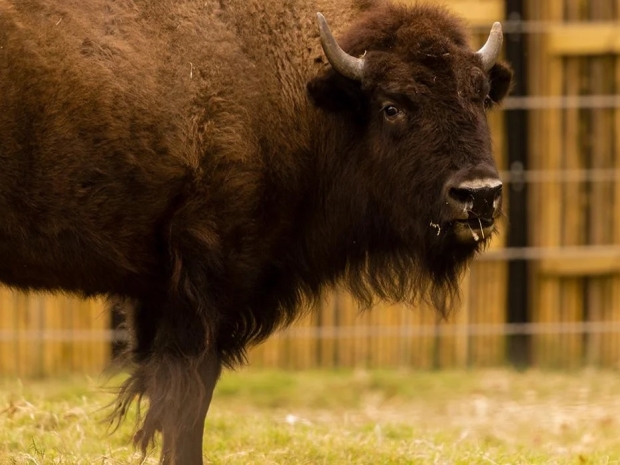
Six Animals the Smithsonian Has Helped Save from Extinction
Conservation efforts help bring endangered species back from the brink.

Sidedoor Podcast
The Sex Lives of Giant Pandas
With a little help from science, the once-endangered giant panda is making a comeback.
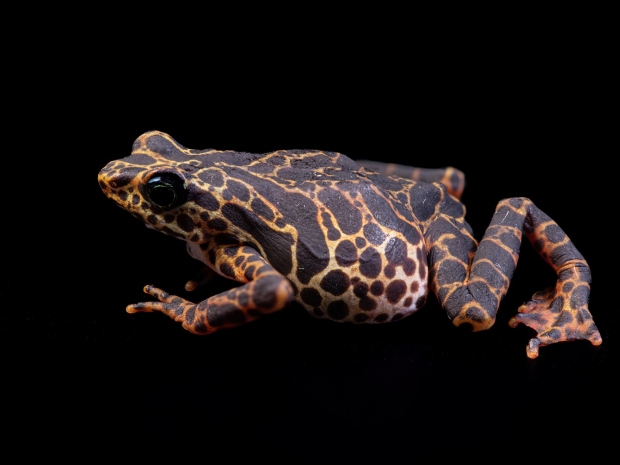
Frog Fertility Clinic
Artificial fertilization could be the key to rescuing Panama’s endangered frogs from extinction.

Sidedoor Podcast
Birds, Birds, Birds!
Three billion birds have gone missing since 1970. In this episode, we go bird-spotting with Pete Marra, and learn what each of us can do to bring birds back.

Smithsonian Story
Advancing Coral Conservation
From new coral species, to protecting reefs from a pandemic, the Smithsonian helps to conserve coral.

Sidedoor Podcast
The Wild Orchid Mystery
Scientists at the Smithsonian are working to protect orchids and their habitats, but first they need solve a surprisingly difficult problem: how to grow one.

Sidedoor Podcast
The Silence of the Frogs
Travel to the Panamanian jungle to learn how the Smithsonian is helping some endangered frogs avoid extinction.
Sidedoor Podcast
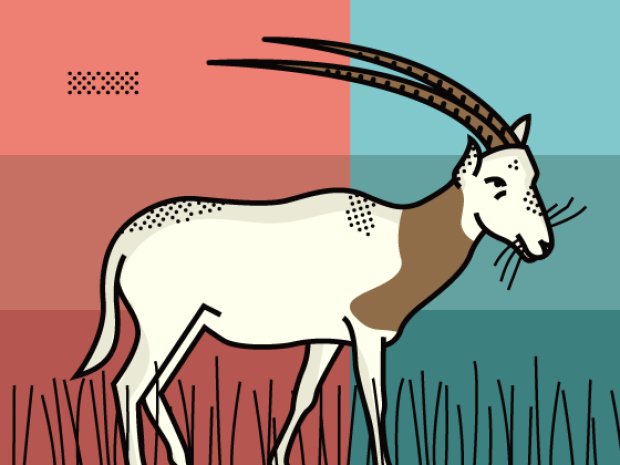
Don’t Call Me Extinct
Erased from the wild for three decades, the scimitar-horned oryx are back in the Central African country of Chad.
In the Water
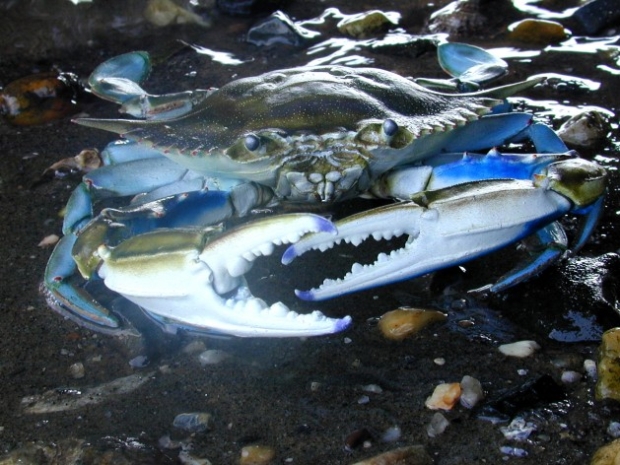
Smithsonian researchers study the ocean and freshwater ecosystems around the world. Using collections, SCUBA, submersibles, and more we ask questions about marine biodiversity, coastal ecosystems, coral reefs, the deep sea, and the impact of climate change.

National Museum of Natural History
Ocean Portal
Smithsonian Environmental Research Center
Ecosystems on the Edge
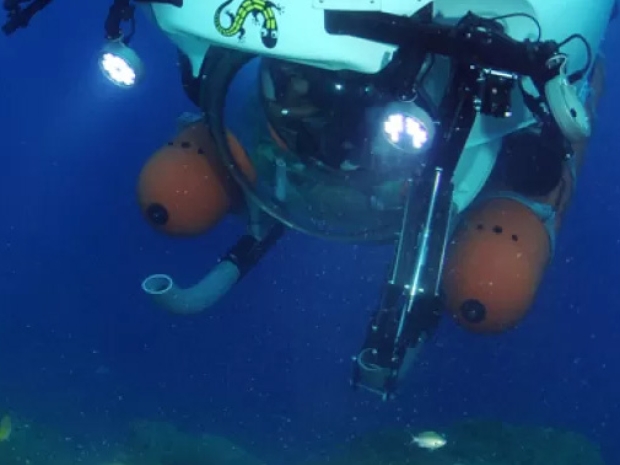
Deep Reef Ecosystems
Learn what Smithsonian marine scientists are discovering as they visit deep reefs to study and monitor these ecosystems.

Smithsonian Science Education Center
Ocean! Community Research Guide
On the Land
The Smithsonian conducts a wide range of land-based research through its various research centers and programs. This research contributes to our understanding of terrestrial ecosystems, informs conservation efforts, and supports sustainable land management practices.
Smithsonian Story
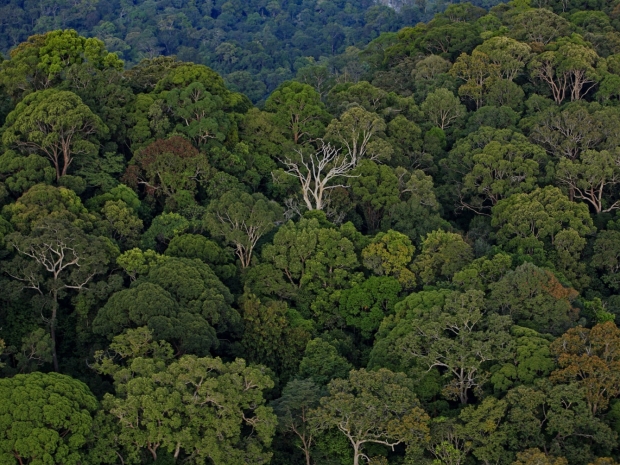
Five Unexpected Facts about Forests
Learn about the role forests play in human and ecosystem health.
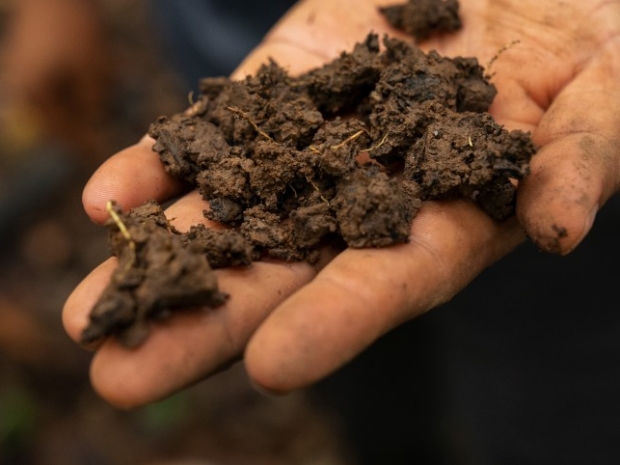
Soil Science
STRI’s soil scientists are getting closer to understanding one of the most important factors driving the nature of tropical tree communities.
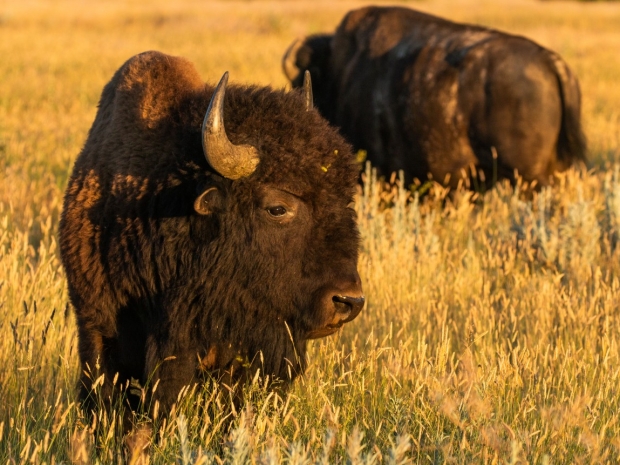
Restoring America's Prairie
Follow ecologists into the field as they attempt to answer big conservation questions in an even bigger place: the American prairie.
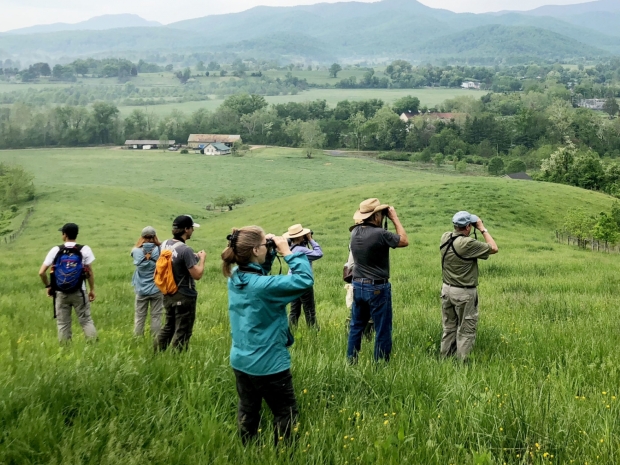
Virginia Working Landscapes
Guides and quick-reference resources for learning about creating wildlife habitat, controlling invasive species, and promoting native biodiversity.

Smithsonian Story
Four Facts about Grasslands
Learn about the grasses that cover around 40 percent of the Earth’s landmass.

Meet a Scientist
A Glimpse into the Future via a Marsh
Experiments on marshes of the Chesapeake Bay help us understand the impacts of a warmer future.
What Can I Do?
Protecting species and ecosystems is a collective effort, and every action counts. By engaging with the Smithsonian and taking steps to protect species and promote habitat conservation, you can play a role in preserving biodiversity and contributing to a sustainable future.
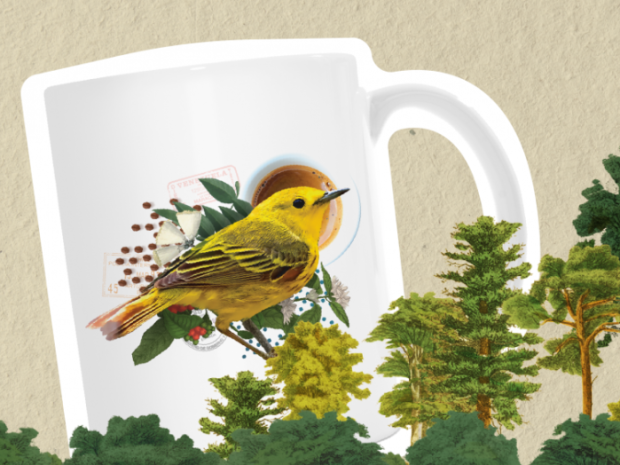
Smithsonian's National Zoo and Conservation Biology Institute
Live Bird Friendly

Smithsonian Science
Participatory Science

Smithsonian Gardens
Winter Garden Maintenance for Wildlife Friendly Habitats

Smithsonian Story
Escape of the Invasives
Learn about six common invasive plants and get suggestions for native stand-ins to plant instead.

Smithsonian's National Zoo and Conservation Biology Institute
Neighborhood Nestwatch

Smithsonian's National Zoo and Conservation Biology Institute