

Global Climate Change
Explore Science & Nature
Climate change is not new to the Smithsonian—our scholars have investigated the effects of the climate on natural systems for over 175 years. We look at processes that occurred millions of years ago alongside developments taking place today.
The Smithsonian is tackling climate change from multiple angles. The Institution is working with global partners to unravel the causes and consequences of climate change, it is elevating the public discussion around the issue, and it is implementing strategies to protect its own facilities and collections from future climate change impacts.
Learning from the Past
Our museums house valuable data and specimens that are used to study past climate conditions. Smithsonian scientists use these collection items, data, and research to dive into the history of the Earth to learn more about our past and help better predict our future.

Smithsonian Story
Fossils Help Scientists Build a Picture of the Past—and Present
What lessons does the response of prehistoric plants to rapid climate change hold for today?

Smithsonian Story
Connecting Ancient CO2 Records with the Future
Researchers used fossilized plants to reconstruct the ancient atmospheric carbon dioxide record.

National Museum of Natural History
Global Climate Change in Perspective
How do we know that the climate has changed continuously over Earth’s 4.5 billion year history? And how is it different now?

Sidedoor Podcast
Monsoon Mood
We think of paintings as art, but they can also help us understand today's changing climate.
Understanding the Science
Climate change is a complicated subject, crossing many disciplines. Researchers from the Smithsonian collect data, study climate-related trends, and collaborate with other scientific organizations to better understand the science of climate change.

Smithsonian Environmental Research Center
Making Sense of Climate Change
Watch a six-part video series about the science behind climate change

National Museum of Natural History
What Is the Sea Ice Minimum?
A primer on the sea ice minimum—what it is and why should you care about it.

National Air and Space Museum
Three Ways Satellites Help Us Understand Our Environment
Impacts and Solutions
What are some of the impacts of climate change? They include a warmer and more acidic ocean, increased wildfire events, shifting ranges of key species, and more. Our Smithsonian climate change research efforts aim to better understand the impacts of climate change, raise awareness, and contribute to the global effort to mitigate and adapt to climate change.

National Museum of Natural History
Ocean Acidification

Smithsonian Story
Warming Waters Lead to Overtaxed Corals
Record high temperatures this year mean early coral bleaching events observed by Smithsonian scientists.

Smithsonian Story
Changing Climate and Parasites
Parasites are facing major extinctions, and museum natural history collections hold the key to research.

National Museum of Natural History
Sea Level Rise
Learn about sea level rise from the Smithsonian's Ocean Portal.
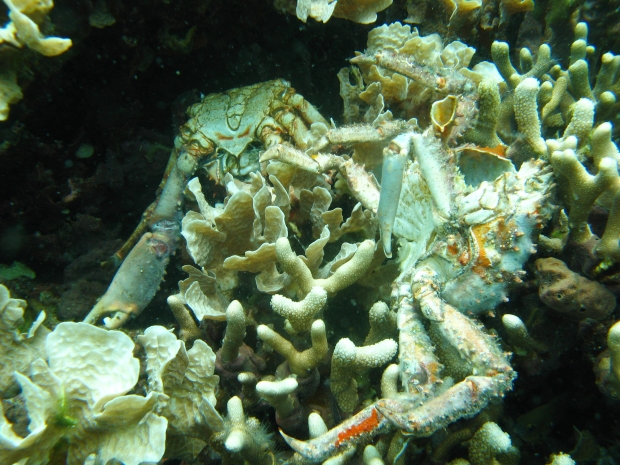
Smithsonian Story
Earth's Oceans Are Losing Their Breath
In the past 50 years, the amount of water in the open ocean with zero oxygen has increased more than fourfold.

Smithsonian Tropical Research Institute
What's for Lunch?

National Museum of Natural History
Climate Change and Salamanders
Researchers track salamander species to see how climate change impacts their ability to survive.

Smithsonian Story
Community Involvement in Tropical Forest Restoration
Replanting tropical forests for community harvesting can help to slow the effects of climate change.

Center for Folklife and Cultural Heritage
Why Cultural Heritage Belongs in the Climate Conversation
An article that explores the question "What does it mean to lose cultural heritage to climate change?"
What Can I Do?
Climate change is a global problem and we need global solutions. But changes made at an individual and community level can still help. Look for ongoing Smithsonian events that inform and inspire to help protect life on our planet.

Around the Smithsonian
How to Celebrate Earth Day Every Day
Learn about the challenges facing life on our planet—and our successes. Get inspired to be a part of building a sustainable future where life on Earth thrives.

Smithsonian Science Education Center