

Mysteries of the Universe
Explore Science & Nature
Beginning with studies of our sun in 1890, the Smithsonian has been answering questions about our atmosphere and beyond for more than a century. The Center for Astophysics | Harvard & Smithsonian advances our knowledge and understanding of the universe through research and education in astronomy and astrophysics. The Smithsonian's National Air and Space Museum maintains the world’s largest collection of historic aircraft and spacecraft and is a vital center for research with its Center for Earth and Planetary Studies.
Understanding Our Sun and Solar System
Our solar system, located in the Milky Way Galaxy, is our celestial neighborhood. Scientists at the Center for Astrophysics | Harvard & Smithsonian are studying our sun’s past, present, and future. The National Air and Space Museum’s Center for Planetary Studies investigates the solar system’s past—and the possibility of life beyond Earth. The museum also features galleries and exhibitions focused on inspiring the world to think about our place in the solar system.
Smithsonian Story
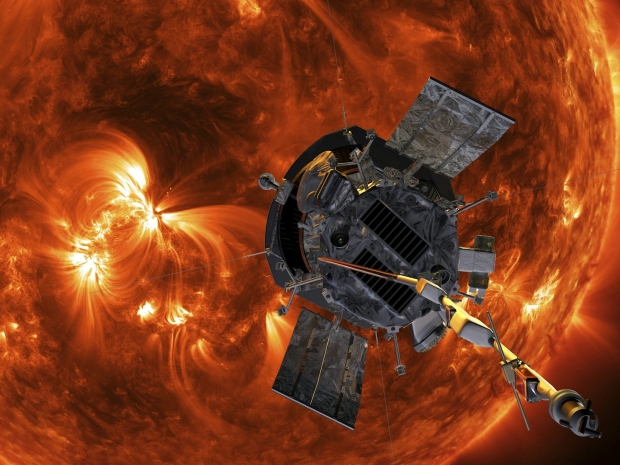
Solar Probes Help Researchers Understand What Gives Solar Wind Its Energy
The source of solar wind's energy hasn't been known—until now.
Smithsonian Story
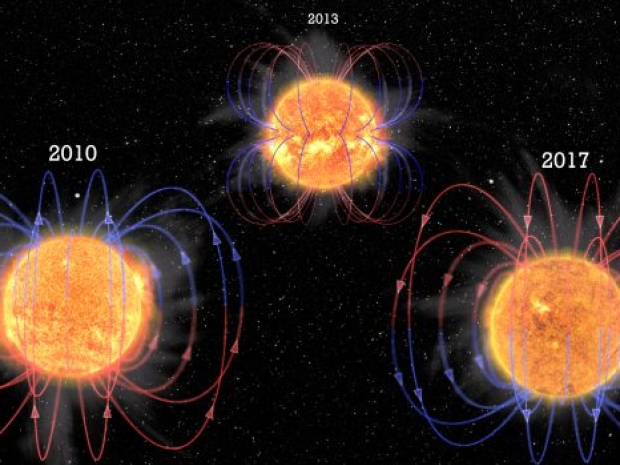
Why Does the Sun Flip Its Magnetic Field Every 11 Years
Scientists may now be able to explain why the Sun’s magnetic field reverses every eleven years.

National Air and Space Museum
Our Solar System

Smithsonian Voices
A Small Sample Tells a Big Story
Smithsonian Collection Spotlight
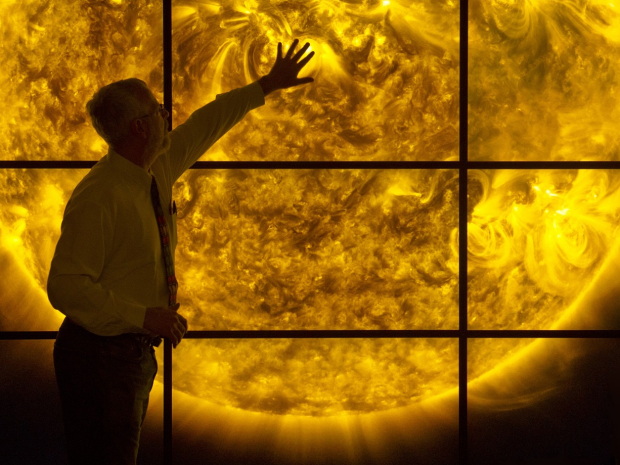
Our Star: Our Sun

National Air and Space Museum
How Did We Discover the Planets?
Understanding the Nature of the Universe
What is the universe made of? How did it begin? How has it evolved over the 13.8 billion years since its origin? These are some of the questions addressed by cosmology, the study of the universe as a whole. Smithsonian astronomers and astrophysicists use observational and theoretical techniques to help us answer other "big questions" of the universe. What do black holes look like? Is there life on other planets? What are dark energy and dark matter?

Smithsonian Story
Meet Chandra
You most likely have heard of the Hubble Space Telescope that orbits 332 miles above Earth, but what about Chandra?

Center for Astrophysics | Harvard & Smithsonian
Big Questions
Smithsonian Story
Probing the Beginning of the Universe
Learn how observations we make today can give clues to the universe’s origin.

Smithsonian Astrophysical Observatory
Chandra Data Tests "Theory of Everything"
Smithsonian Story
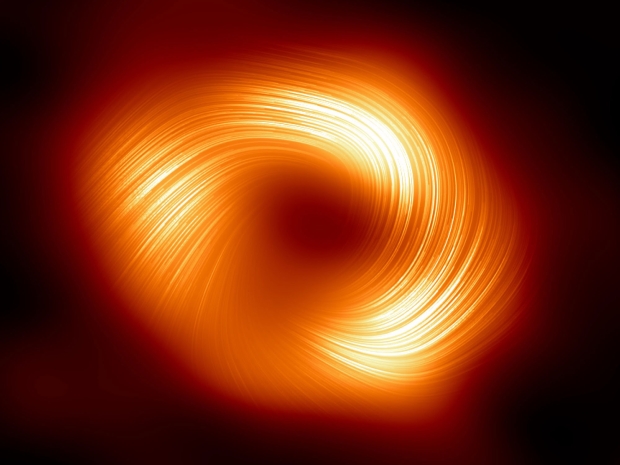
A “Monster” in the Milky Way Galaxy
Two new studies have produced the first polarized light image of the supermassive black hole at the heart of the Milky Way.
Smithsonian Story
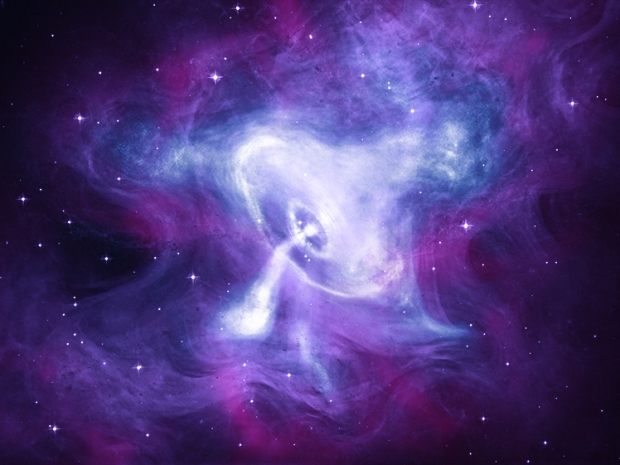
What If You Could Hear Space?
Learn how scientists are translating data captured by telescopes into sound.

Center for Astrophysics | Harvard & Smithsonian
Looking at Space

Center for Astrophysics | Harvard & Smithsonian
DIY Planet Search
Exploring Space
In April 1961, Soviet cosmonaut Yuri Gagarin became the first human in space. Soon after in May 1961, Alan Shepard became the first American in space, when he piloted the Mercury spacecraft Freedom 7 on a suborbital flight. In July of 1969, the first human stepped on the surface of the Moon. The cosmic journey continues today with the International Space Station and developments in commercial spaceflight.
National Air and Space Museum
Spacecraft
Learn about different types of spacecraft, both crewed and uncrewed, used for space exploration.

National Air and Space Museum
Human Spaceflight
In July of 1969, the first human stepped on the surface of the Moon. Today human spaceflight continues with programs such as the International Space Station.
National Air and Space Museum
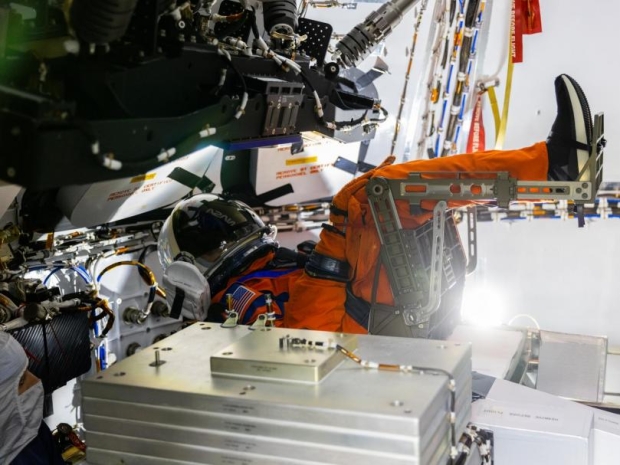
5 Things On Board NASA's Artemis I Mission

Sidedoor Podcast
Space Jocks & Moon Rocks
Sidedoor joins forces with the National Air and Space Museum to explore the mysteries of lunar science.
National Air and Space Museum
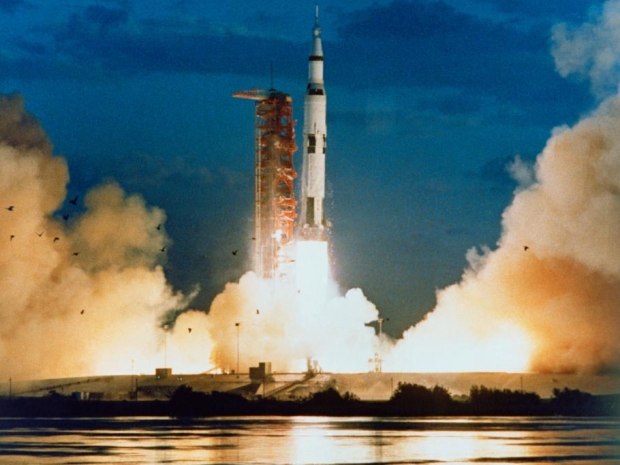
The Apollo Missions
Learn more about the seventeen missions carried out during the Apollo Program.
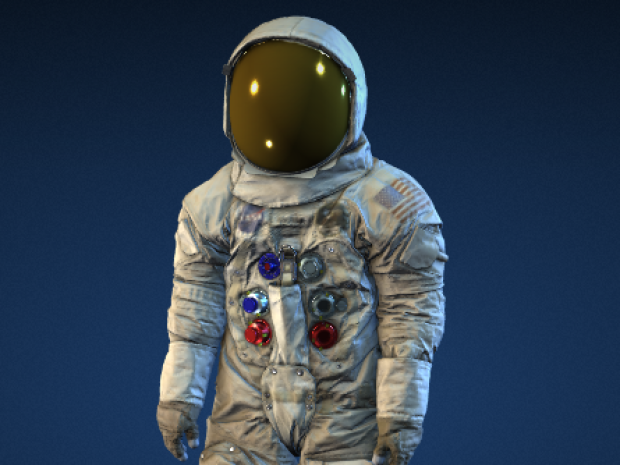
Smithsonian 3D
Neil Armstrong's Space Suit
Culture and the Cosmos
The Smithsonian’s resources lead us to connections across historical contexts, art movements, and cultural traditions to help us understand our place within space.

National Air and Space Museum
Science Fiction
National Museum of African Art
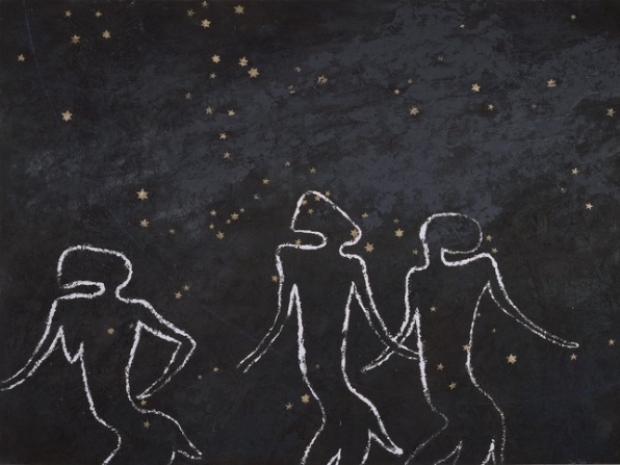
Milky Way Myth
Among the hunter-gatherers of sub-Saharan Africa known as the Khoisan, a myth has been passed on for generations.
National Museum of Asian Art
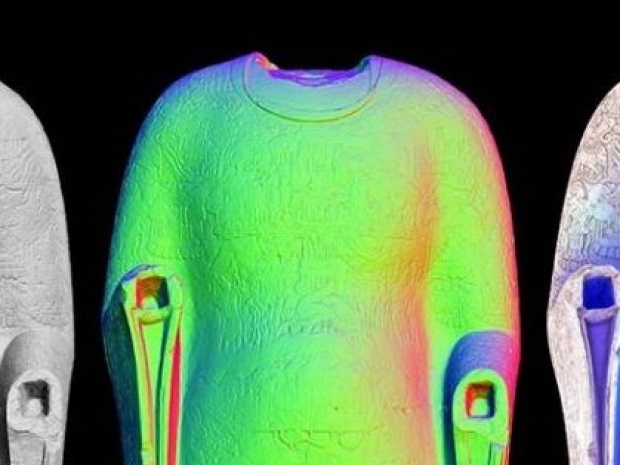
The Cosmic Buddha
Explore a 3D rendering of the Cosmic Buddha, where you can zoom into depictions of a symbolic map of the Buddhist world.
National Museum of African American History and Culture
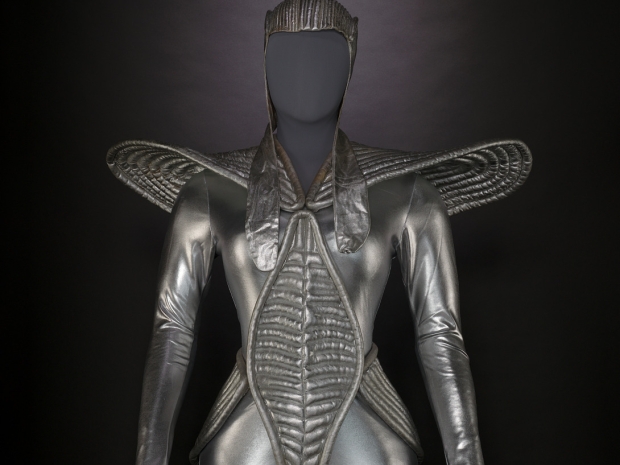
Afrofuturism
From artists to astronauts, the themes of Afrofuturism inform ways of seeing and being across time and space.

National Museum of the American Indian
Maya Skies: Calendars, Seasons, and Time
The cycles of celestial bodies, particularly the Sun, form the basis of the Maya calendar. Celestial events on the Mayan calendar have been celebrated from ancient times to today.
National Air and Space Museum
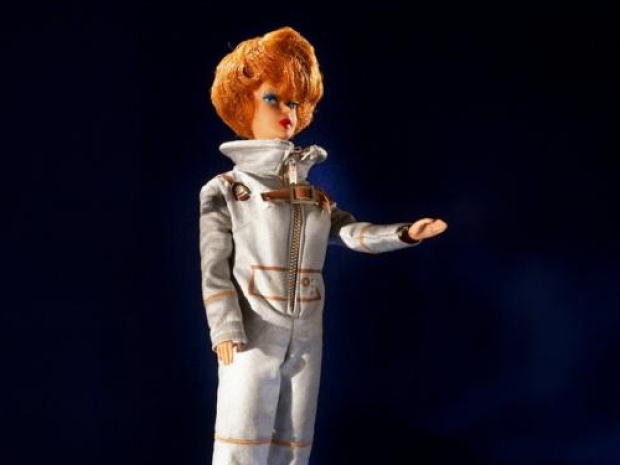
Barbie: An Astronaut for the Ages
Cosmic Collections
Explore space through the lenses of art, history, culture, and science in the Smithsonian's collections.


