Skip to main content Skip to main navigation
heart-solid My Visit Donate
Home Smithsonian Institution IK development site for ODI
Press Enter to activate a submenu, down arrow to access the items and Escape to close the submenu.
    • Overview
    • Museums and Zoo
    • Entry and Guidelines
    • Museum Maps
    • Dine and Shop
    • Accessibility
    • Visiting with Kids
    • Group Visits
    • Overview
    • Exhibitions
    • Online Events
    • All Events
    • IMAX & Planetarium
    • Overview
    • Topics
    • Collections
    • Research Resources
    • Stories
    • Podcasts
    • Overview
    • For Caregivers
    • For Educators
    • For Students
    • For Academics
    • For Lifelong Learners
    • Overview
    • Become a Member
    • Renew Membership
    • Make a Gift
    • Volunteer
    • Overview
    • Our Organization
    • Our Leadership
    • Reports and Plans
    • Newsdesk
heart-solid My Visit Donate

Toy, Tin Toy, Robot, Astronaut, Rosko, Red

Air and Space Museum

There are restrictions for re-using this image. For more information, visit the Smithsonian's Terms of Use page .
International media Interoperability Framework
IIIF provides researchers rich metadata and media viewing options for comparison of works across cultural heritage collections. Visit the IIIF page to learn more.
View manifest View in Mirador Viewer

Object Details

Manufacturer

Nomura Toy, Japan

Summary

This red Rosko robot spaceman toy is a tin toy produced in Japan for export to an American market. In the 1950s and 1960s, its manufacturer, Nomura, specialized in producing robot-themed metal toys (including several versions of an unlicensed "Robby" robot from the film "Forbidden Planet"). In post-WWII Japan, producing these metal toys began as a way to tap into an international market for "penny toys" or cheap playthings, but developed by the late 1950s into a industry manufacturing creatively-designed, complex toys with moving parts and/lights that competed successfully with Western toymakers. This Rosko battery-powered astronaut, which can be viewed as either a human space traveler or a futuristic robot, blended the American fascination with outer space with the Japanese fad for robots.
Using “kanei-kogyo,” or family industries, many Japanese tin toy companies distributed preprinted metal sheets to home-based shops, where families worked together to stamp, shape, and wholly or partially assemble them. The distributor paid these family shops by the piece and shipped the completed toys overseas. Because space themes sold well, many toys received space-age designs or packaging.
The Gewirz family donated this toy to the Museum in 2006.

Credit Line

Gift of the Carl and Nancy Gewirz Fund Inc.

Inventory Number

A20070085001

Restrictions & Rights

Usage conditions apply

Type

MEMORABILIA-Popular Culture

Materials

Body, steel; arms, rubber; helmet, plastic

Dimensions

3-D: 15.2 x 15.2 x 33cm (6 x 6 x 13 in.)

Country of Origin

Japan

See more items in

National Air and Space Museum Collection

Location

Steven F. Udvar-Hazy Center in Chantilly, VA

Hangar

James S. McDonnell Space Hangar

Data Source

National Air and Space Museum

Metadata Usage

Not determined

Link to Original Record

http://n2t.net/ark:/65665/nv97f4ce463-9ad5-42e4-9031-c75210a8adc1

Record ID

nasm_A20070085001

Discover More

spirograph

Playtime: Toys, Games, and Puzzles

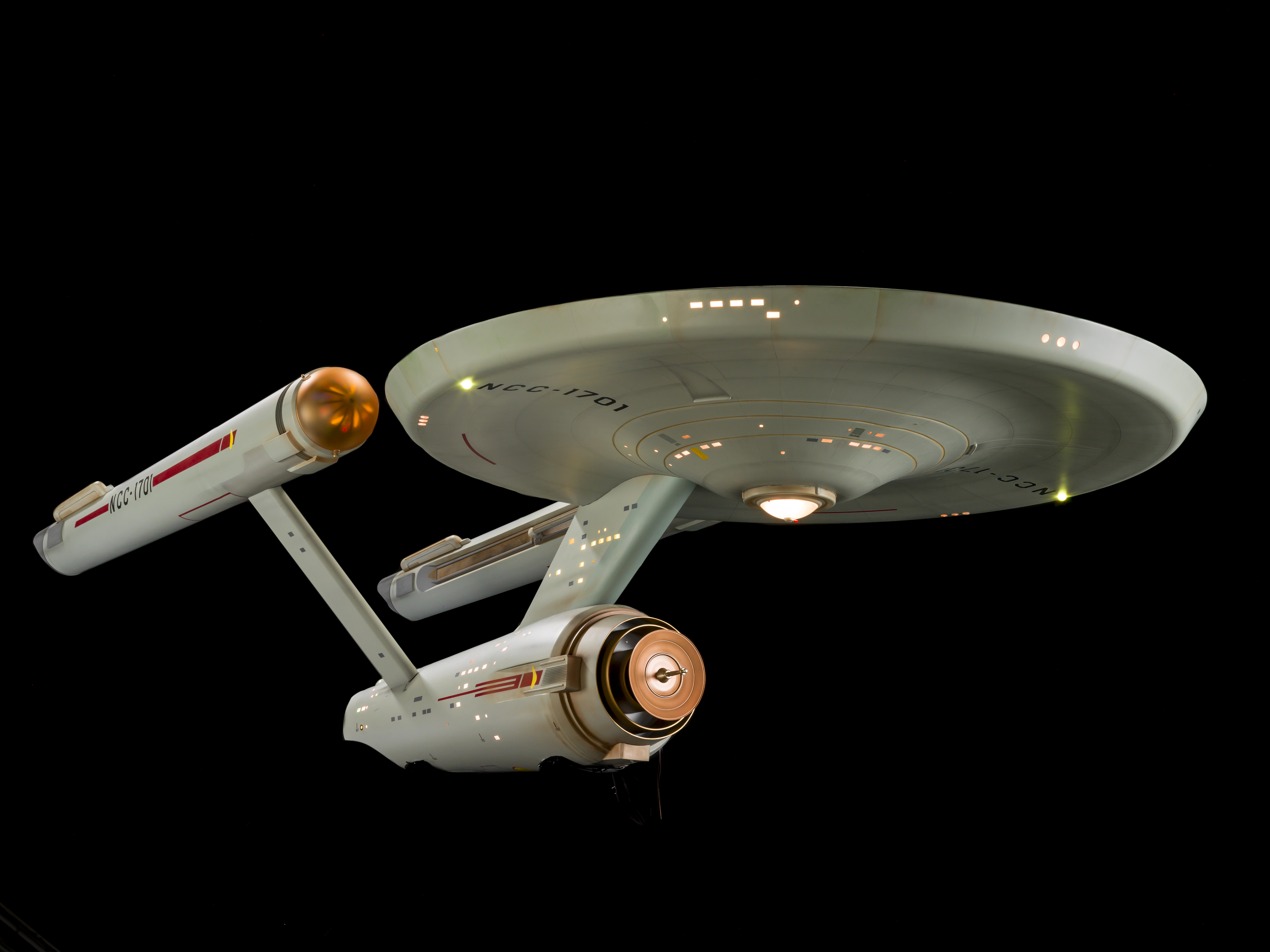
Image of Star Trek Starship Enterprise model

Social and Cultural Space Collection

Image of Star Trek Starship Enterprise model

Social and Cultural Space Collection

arrow-up Back to top
Home
  • Facebook facebook
  • Instagram instagram
  • LinkedIn linkedin
  • YouTube youtube

  • Contact Us
  • Get Involved
  • Shop Online
  • Job Opportunities
  • Equal Opportunity
  • Inspector General
  • Records Requests
  • Accessibility
  • Host Your Event
  • Press Room
  • Privacy
  • Terms of Use