Skip to main content Skip to main navigation
heart-solid My Visit Donate
Home Smithsonian Institution IK development site for ODI
Press Enter to activate a submenu, down arrow to access the items and Escape to close the submenu.
    • Overview
    • Museums and Zoo
    • Entry and Guidelines
    • Museum Maps
    • Dine and Shop
    • Accessibility
    • Visiting with Kids
    • Group Visits
    • Overview
    • Exhibitions
    • Online Events
    • All Events
    • IMAX & Planetarium
    • Overview
    • Topics
    • Collections
    • Research Resources
    • Stories
    • Podcasts
    • Overview
    • For Caregivers
    • For Educators
    • For Students
    • For Academics
    • For Lifelong Learners
    • Overview
    • Become a Member
    • Renew Membership
    • Make a Gift
    • Volunteer
    • Overview
    • Our Organization
    • Our Leadership
    • Reports and Plans
    • Newsdesk
heart-solid My Visit Donate
  1. Home
  2. forward-slash
  3. About
  4. forward-slash
  5. Newsdesk
  6. forward-slash
  7. News Releases
  8. forward-slash
  9. National Museum of American History Looks at Latino Labor Rights

About

  • Overview
  • Our Organization
    • Board of Regents
    • Museums and Zoo
    • Research Centers
    • Cultural Centers
    • Education Centers
    • General Counsel
    • Office of Human Resources
    • Office of Equal Opportunity
    • Office of Sponsored Projects
    • Office of Protection Services
  • Our Leadership
  • Reports and Plans
    • Annual Reports
    • Strategic Plan
    • Smithsonian Dashboard
  • Newsdesk
    • News Releases
    • Media Contacts
    • Photos and Video
    • Media Kits
    • Fact Sheets
    • Visitor Stats
    • Secretary and Admin Bios
    • Filming Requests

National Museum of American History Looks at Latino Labor Rights

Display on Luisa Moreno Opens in “American Enterprise” Exhibit
News Release

July 18, 2018

Media Contact

Laura Duff

  • envelope duffl@si.edu
  • phone 202-633-3129

Melinda Machado

  • envelope machadom@si.edu
  • phone 202-633-3129

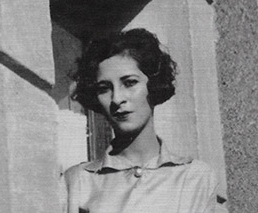
A new display, “The Case of Luisa Moreno,” in the American Enterprise exhibition at the Smithsonian’s National Museum of American History, opens July 19 to examine the lasting legacy of Moreno, the Guatemala-born labor organizer who brought together more than 100 groups in 1938 for El Congreso de Pueblos de Habla Española, the Spanish-Speaking People’s Congress. It is considered the first national Hispanic civil rights assembly. The organization advocated for fair treatment of Latino laborers in the United States for both new immigrants and U.S. citizens.

Born Blanca Rosa López Rodriguez in Guatemala City, Guatemala, Moreno changed her name as a rejection of her wealth and status in Latin America. Instead, she dedicated herself to civil rights and to improving working conditions for Latino laborers. She used her bilingual skills to better the conditions in the fields and canneries in the Southwest. Writing pamphlets, organizing strikes and encouraging union participation, Moreno’s labor organizing and civil rights activism evoked outrage from the U.S. government during a time when anti-Hispanic and anti-Communist sentiments were high. Facing imminent deportation, Moreno left the United States in 1950.

The display will feature objects representing Moreno’s work as a civil rights activist and labor organizer with union pins from groups that she worked with around the 1930s, including the Affiliated Congress of Industrial Organizations, the International Ladies Garment Worker Union Convention Badge, the Cannery Workers, American Federation of Labor, the Cannery Workers and Farm Laborers Union, the United Labor May Day 50th Anniversary and the American Federation of Labor. Also on view will be her shawl and a pamphlet to rally national attention and halt Moreno’s deportation.

“They can talk about deporting me…but they can never deport the people that I’ve worked with and with whom things were accomplished for the benefit of hundreds of thousands of workers—things that can never be destroyed,” Moreno said in an interview with “Our Times” in 1949.

###

SI-379-2018


Tags

  • American History Museum
arrow-up Back to top
Home
  • Facebook facebook
  • Instagram instagram
  • LinkedIn linkedin
  • YouTube youtube

  • Contact Us
  • Get Involved
  • Shop Online
  • Job Opportunities
  • Equal Opportunity
  • Inspector General
  • Records Requests
  • Accessibility
  • Host Your Event
  • Press Room
  • Privacy
  • Terms of Use