Skip to main content Skip to main navigation
heart-solid My Visit Donate
Home Smithsonian Institution IK development site for ODI
Press Enter to activate a submenu, down arrow to access the items and Escape to close the submenu.
    • Overview
    • Museums and Zoo
    • Entry and Guidelines
    • Museum Maps
    • Dine and Shop
    • Accessibility
    • Visiting with Kids
    • Group Visits
    • Overview
    • Exhibitions
    • Online Events
    • All Events
    • IMAX & Planetarium
    • Overview
    • Topics
    • Collections
    • Research Resources
    • Stories
    • Podcasts
    • Overview
    • For Caregivers
    • For Educators
    • For Students
    • For Academics
    • For Lifelong Learners
    • Overview
    • Become a Member
    • Renew Membership
    • Make a Gift
    • Volunteer
    • Overview
    • Our Organization
    • Our Leadership
    • Reports and Plans
    • Newsdesk
heart-solid My Visit Donate
  1. Home
  2. forward-slash
  3. About
  4. forward-slash
  5. Newsdesk
  6. forward-slash
  7. News Releases
  8. forward-slash
  9. Endangered Bird Dies at Smithsonian’s National Zoo

About

  • Overview
  • Our Organization
    • Board of Regents
    • Museums and Zoo
    • Research Centers
    • Cultural Centers
    • Education Centers
    • General Counsel
    • Office of Human Resources
    • Office of Equal Opportunity
    • Office of Sponsored Projects
    • Office of Protection Services
  • Our Leadership
  • Reports and Plans
    • Annual Reports
    • Strategic Plan
    • Smithsonian Dashboard
  • Newsdesk
    • News Releases
    • Media Contacts
    • Photos and Video
    • Media Kits
    • Fact Sheets
    • Visitor Stats
    • Secretary and Admin Bios
    • Filming Requests

Endangered Bird Dies at Smithsonian’s National Zoo
News Release

December 10, 2008

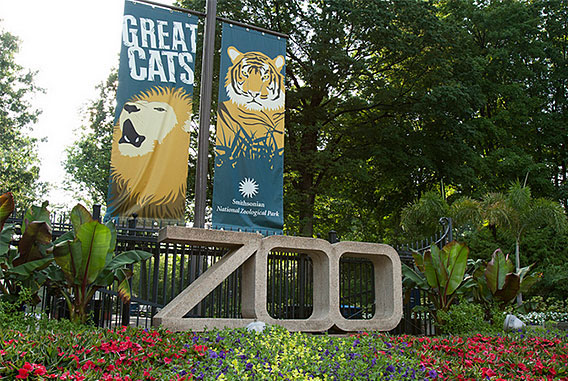
Zoo entrance.

A five-year-old female Guam rail was found dead in its enclosure at the National Zoo’s Bird House Dec. 7, 2008. A Guam rail is a species of small, flightless, brown bird native to Guam but currently extinct in the wild.

A preliminary necropsy showed the bird had abrasions and feather loss on its head and back and also showed signs of an internal inflammation surrounding its reproductive tract. Staff suspect that the bird sustained the abrasions from its mate during breeding. Although the bird and its mate had a history of successful breeding and cohabitation, rails can often be aggressive when mating. An exact cause of death has not yet been determined; a final pathology report might yield more information on. Both birds were part of a cooperative captive breeding program and had hatched six chicks in the four years they were together.

Guam rails were originally found on Guam and nearby Pacific islands. Their population suffered devastating losses in the late-20th century due to the introduction of the brown tree snake to the island. Snakes feeding on the rails’ young and eggs caused the population to crash to only 21 birds by 1985. Scientists from the National Zoo and other conservation groups rushed to Guam to rescue the last individuals of this species and start a captive breeding program. The captive population slowly grew until enough animals were available to start a reintroduction program on neighboring islands uninhabited by the brown tree snake.  

The National Zoo currently has four Guam rails in its collection—one at the National Zoo’s Bird House and three at the Zoo’s Conservation and Research Center in Front Royal, Va.

# # #

SI-528-2008


Tags

  • National Zoo & SCBI
arrow-up Back to top
Home
  • Facebook facebook
  • Instagram instagram
  • LinkedIn linkedin
  • YouTube youtube

  • Contact Us
  • Get Involved
  • Shop Online
  • Job Opportunities
  • Equal Opportunity
  • Inspector General
  • Records Requests
  • Accessibility
  • Host Your Event
  • Press Room
  • Privacy
  • Terms of Use