Skip to main content Skip to main navigation
heart-solid My Visit Donate
Home Smithsonian Institution IK development site for ODI
Press Enter to activate a submenu, down arrow to access the items and Escape to close the submenu.
    • Overview
    • Museums and Zoo
    • Entry and Guidelines
    • Museum Maps
    • Dine and Shop
    • Accessibility
    • Visiting with Kids
    • Group Visits
    • Overview
    • Exhibitions
    • Online Events
    • All Events
    • IMAX & Planetarium
    • Overview
    • Topics
    • Collections
    • Research Resources
    • Stories
    • Podcasts
    • Overview
    • For Caregivers
    • For Educators
    • For Students
    • For Academics
    • For Lifelong Learners
    • Overview
    • Become a Member
    • Renew Membership
    • Make a Gift
    • Volunteer
    • Overview
    • Our Organization
    • Our Leadership
    • Reports and Plans
    • Newsdesk
heart-solid My Visit Donate
  1. Home
  2. forward-slash
  3. About
  4. forward-slash
  5. Newsdesk
  6. forward-slash
  7. Photos and Video
  8. forward-slash
  9. Steven Canty

About

  • Overview
  • Our Organization
    • Board of Regents
    • Museums and Zoo
    • Research Centers
    • Cultural Centers
    • Education Centers
    • General Counsel
    • Office of Human Resources
    • Office of Equal Opportunity
    • Office of Sponsored Projects
    • Office of Protection Services
  • Our Leadership
  • Reports and Plans
    • Annual Reports
    • Strategic Plan
    • Smithsonian Dashboard
  • Newsdesk
    • News Releases
    • Media Contacts
    • Photos and Video
    • Media Kits
    • Fact Sheets
    • Visitor Stats
    • Secretary and Admin Bios
    • Filming Requests

Steven Canty

Media Photo/Video

July 25, 2018

Steven Canty in lab coat
download Download _mg_2197.jpg

Steven Canty coordinates the Marine Conservation Program at the Smithsonian’s National Museum of Natural History. The group focuses on the design of marine reserves to promote the health and resilience of coral reef ecosystems in the Mesoamerican barrier reef region. A major component of the program is the management of coral reef fisheries. In collaboration with in-country partners and U.S.-based nongovernmental organizations, the group focuses on how to collect catch data from small-scale fisheries that are accurate, easy to use and cost-effective. These fisheries tools have been piloted in Honduras and other countries of the region; however, they have the ability to be applied to small-scale fisheries across the globe.

Photo by Jeremy Snyder / Smithsonian Institution
Tags
Research News

Tags

  • Research News
  • Research News

Related Media

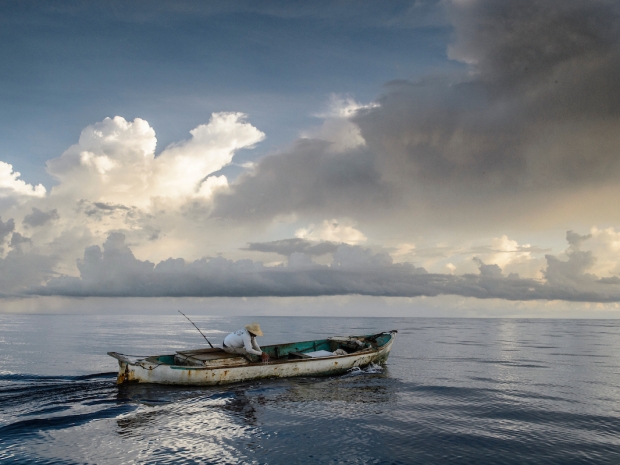
Lone fisherman in small boat against dramatic sky

Image

document

Fish body size

07.25.2018

Image

document

Fish body size

07.25.2018
Coral reef with fishermen above

Image

document

Fish body size

07.25.2018
Steven Canty

Image

document

Steven Canty

07.25.2018
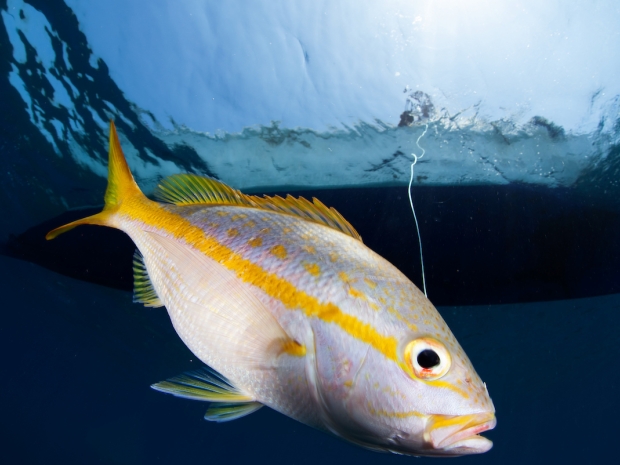
fish with line attached

Image

document

Yellowtail Snapper

07.25.2018
Fish with measurement pins

Image

document

Yellowtail Snapper truss study

07.25.2018

Related Content

  • Coral reef with fishermen above

    Scientists Find Fish Body Shape Holds Key To Make Fishery Management Cheaper, Easier

    A simple body-shape analysis can reveal what part of the ocean a fish came from, according to a new study from Smithsonian scientists working to develop better tools for managing small-scale fisheries.

    • July 25, 2018
    • News Release
    • Natural History Museum
arrow-up Back to top
Home
  • Facebook facebook
  • Instagram instagram
  • LinkedIn linkedin
  • YouTube youtube

  • Contact Us
  • Get Involved
  • Shop Online
  • Job Opportunities
  • Equal Opportunity
  • Inspector General
  • Records Requests
  • Accessibility
  • Host Your Event
  • Press Room
  • Privacy
  • Terms of Use