Skip to main content Skip to main navigation
heart-solid My Visit Donate
Home Smithsonian Institution IK development site for ODI
Press Enter to activate a submenu, down arrow to access the items and Escape to close the submenu.
    • Overview
    • Museums and Zoo
    • Entry and Guidelines
    • Museum Maps
    • Dine and Shop
    • Accessibility
    • Visiting with Kids
    • Group Visits
    • Overview
    • Exhibitions
    • Online Events
    • All Events
    • IMAX & Planetarium
    • Overview
    • Topics
    • Collections
    • Research Resources
    • Stories
    • Podcasts
    • Overview
    • For Caregivers
    • For Educators
    • For Students
    • For Academics
    • For Lifelong Learners
    • Overview
    • Become a Member
    • Renew Membership
    • Make a Gift
    • Volunteer
    • Overview
    • Our Organization
    • Our Leadership
    • Reports and Plans
    • Newsdesk
heart-solid My Visit Donate
  1. Home
  2. forward-slash
  3. About
  4. forward-slash
  5. Newsdesk
  6. forward-slash
  7. Photos and Video
  8. forward-slash
  9. Ocean Deoxygenation: Denise Breitburg

About

  • Overview
  • Our Organization
    • Board of Regents
    • Museums and Zoo
    • Research Centers
    • Cultural Centers
    • Education Centers
    • General Counsel
    • Office of Human Resources
    • Office of Equal Opportunity
    • Office of Sponsored Projects
    • Office of Protection Services
  • Our Leadership
  • Reports and Plans
    • Annual Reports
    • Strategic Plan
    • Smithsonian Dashboard
  • Newsdesk
    • News Releases
    • Media Contacts
    • Photos and Video
    • Media Kits
    • Fact Sheets
    • Visitor Stats
    • Secretary and Admin Bios
    • Filming Requests

Ocean Deoxygenation: Denise Breitburg

Media Photo/Video

January 4, 2018

Photo of scientist Denise Breitburg
download Download denisebreitburg_serc.jpg

Lead author Denise Breitburg, a marine ecologist with the Smithsonian Environmental Research Center, is discovering how low oxygen can make life harder for fish and oysters in Chesapeake Bay. Besides making it more difficult for fish like silversides to avoid predators, falling oxygen levels can hamper oyster growth and reproduction, and make them more vulnerable to disease and death. (Photo: Tina Tennessen/Smithsonian)

Tags

  • Environmental Research Center

Related Media

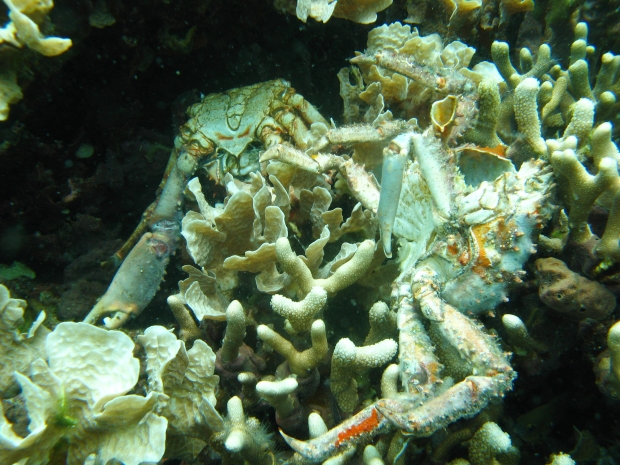
dead coral and crabs

Image

document

Ocean Deoxygenation: Dying coral

01.04.2018
Map showing distribution of low oxygen zones

Image

document

Ocean Deoxygenation: Global map

01.04.2018

Related Content

  • dead coral and crabs

    The Ocean Is Losing Its Breath. Here’s the Global Scope.

    In the past 50 years, the amount of water in the open ocean with zero oxygen has gone up more than fourfold. In coastal water bodies, including estuaries and seas, low-oxygen sites have increased more than 10-fold since 1950. Scientists expect oxygen to continue dropping even outside these zones as Earth warms.
    • January 4, 2018
    • News Release
    • Environmental Research Center
arrow-up Back to top
Home
  • Facebook facebook
  • Instagram instagram
  • LinkedIn linkedin
  • YouTube youtube

  • Contact Us
  • Get Involved
  • Shop Online
  • Job Opportunities
  • Equal Opportunity
  • Inspector General
  • Records Requests
  • Accessibility
  • Host Your Event
  • Press Room
  • Privacy
  • Terms of Use