Skip to main content Skip to main navigation
heart-solid My Visit Donate
Home Smithsonian Institution IK development site for ODI
Press Enter to activate a submenu, down arrow to access the items and Escape to close the submenu.
    • Overview
    • Museums and Zoo
    • Entry and Guidelines
    • Museum Maps
    • Dine and Shop
    • Accessibility
    • Visiting with Kids
    • Group Visits
    • Overview
    • Exhibitions
    • Online Events
    • All Events
    • IMAX & Planetarium
    • Overview
    • Topics
    • Collections
    • Research Resources
    • Stories
    • Podcasts
    • Overview
    • For Caregivers
    • For Educators
    • For Students
    • For Academics
    • For Lifelong Learners
    • Overview
    • Become a Member
    • Renew Membership
    • Make a Gift
    • Volunteer
    • Overview
    • Our Organization
    • Our Leadership
    • Reports and Plans
    • Newsdesk
heart-solid My Visit Donate
  1. Home
  2. forward-slash
  3. About
  4. forward-slash
  5. Newsdesk
  6. forward-slash
  7. Photos and Video
  8. forward-slash
  9. More than Meets the Eye: sipunculan worm b&w

About

  • Overview
  • Our Organization
    • Board of Regents
    • Museums and Zoo
    • Research Centers
    • Cultural Centers
    • Education Centers
    • General Counsel
    • Office of Human Resources
    • Office of Equal Opportunity
    • Office of Sponsored Projects
    • Office of Protection Services
  • Our Leadership
  • Reports and Plans
    • Annual Reports
    • Strategic Plan
    • Smithsonian Dashboard
  • Newsdesk
    • News Releases
    • Media Contacts
    • Photos and Video
    • Media Kits
    • Fact Sheets
    • Visitor Stats
    • Secretary and Admin Bios
    • Filming Requests

More than Meets the Eye: sipunculan worm b&w
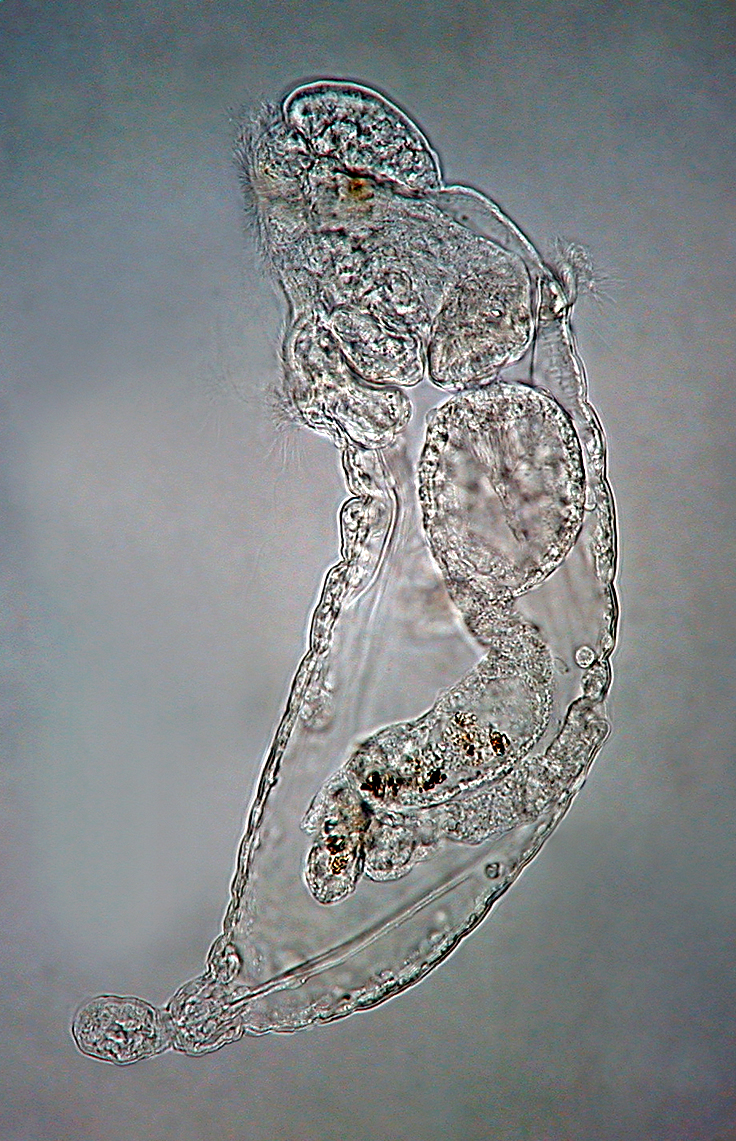
Media Photo/Video

February 23, 2012

download Download n.pell_compound-11-26-with-contrast.jpg

With confocal laser scanning technology, a laser scans a specimen, which has been injected with fluorescent dyes. When scanned, these dyes emit light of specific wavelengths. This light passes through a pinhole aperture, which rejects unfocused light, before being detected by a camera. The focused light comes from an extremely thin layer, allowing scientists to optically slice the specimen. Computer software then combines the layers to produce a high-resolution, clearly focused 3D image.


Tags

  • Natural History Museum

Related Media

blue, orange, yellow, and cream colored coarse-grained minerals

Image

document

More than Meets the Eye: Nahklite Meteorite

06.04.2013
olivine

Image

document

More than Meets the Eye: Olivine

06.04.2013

Image

document

More than Meets the Eye: selene vomer

02.23.2012

Image

document

More than Meets the Eye: sipunculan worm

02.23.2012

Related Content

  • “More Than Meets the Eye” Introduces Smithsonian Visitors to Specimens Up Close

    The National Museum of Natural History’s exhibition, “More Than Meets the Eye,” highlights how scientists at the museum rely on special tools and skills to examine the world’s diversity of life and culture up close and in great detail.
    • August 19, 2011
    • News Release
    • Natural History Museum
arrow-up Back to top
Home
  • Facebook facebook
  • Instagram instagram
  • LinkedIn linkedin
  • YouTube youtube

  • Contact Us
  • Get Involved
  • Shop Online
  • Job Opportunities
  • Equal Opportunity
  • Inspector General
  • Records Requests
  • Accessibility
  • Host Your Event
  • Press Room
  • Privacy
  • Terms of Use