Skip to main content Skip to main navigation
heart-solid My Visit Donate
Home Smithsonian Institution IK development site for ODI
Press Enter to activate a submenu, down arrow to access the items and Escape to close the submenu.
    • Overview
    • Museums and Zoo
    • Entry and Guidelines
    • Museum Maps
    • Dine and Shop
    • Accessibility
    • Visiting with Kids
    • Group Visits
    • Overview
    • Exhibitions
    • Online Events
    • All Events
    • IMAX & Planetarium
    • Overview
    • Topics
    • Collections
    • Research Resources
    • Stories
    • Podcasts
    • Overview
    • For Caregivers
    • For Educators
    • For Students
    • For Academics
    • For Lifelong Learners
    • Overview
    • Become a Member
    • Renew Membership
    • Make a Gift
    • Volunteer
    • Overview
    • Our Organization
    • Our Leadership
    • Reports and Plans
    • Newsdesk
heart-solid My Visit Donate
  1. Home
  2. forward-slash
  3. About
  4. forward-slash
  5. Newsdesk
  6. forward-slash
  7. Photos and Video
  8. forward-slash
  9. Inga acuminata

About

  • Overview
  • Our Organization
    • Board of Regents
    • Museums and Zoo
    • Research Centers
    • Cultural Centers
    • Education Centers
    • General Counsel
    • Office of Human Resources
    • Office of Equal Opportunity
    • Office of Sponsored Projects
    • Office of Protection Services
  • Our Leadership
  • Reports and Plans
    • Annual Reports
    • Strategic Plan
    • Smithsonian Dashboard
  • Newsdesk
    • News Releases
    • Media Contacts
    • Photos and Video
    • Media Kits
    • Fact Sheets
    • Visitor Stats
    • Secretary and Admin Bios
    • Filming Requests

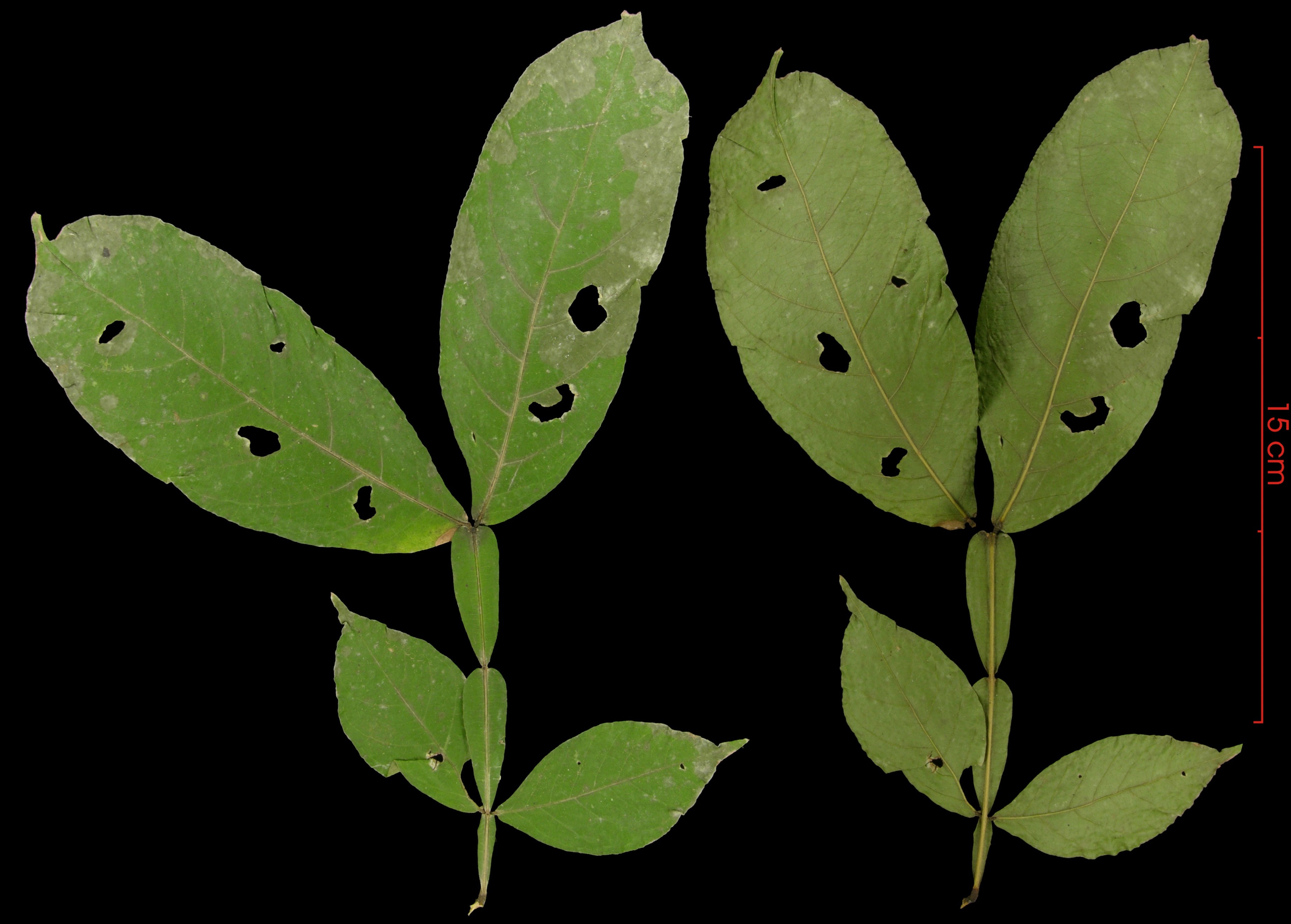
Inga acuminata

Media Photo/Video

March 14, 2019

download Download inga_acuminata.jpg

Inga acuminata leaves damaged by plant-eating insects. New results published in Science by Dale Forrister, doctoral student at the University of Utah, suggest that, during the sapling stage of tropical trees in the genus, Inga, pressure from leaf-feeding insects is a critical driver of negative-density-dependent interactions and, therefore, the maintenance of tropical diversity. The study was done in at the ForestGEO long-term forest monitoring site on Barro Colorado Island in Panama.


Credit: Steve Paton, Smithsonian Tropical Research Institute


Related Media

Image

document

Seed pod

03.14.2019

Related Content

  • Chemical Innovation by Relatives of the Ice Cream Bean Explains Tropical Biodiversity

    Constant pressure from hungry insects forces plants to innovate: producing new chemicals to protect themselves.

    • March 14, 2019
    • News Release
    • Tropical Research Institute
    • Research News
    • Research News
arrow-up Back to top
Home
  • Facebook facebook
  • Instagram instagram
  • LinkedIn linkedin
  • YouTube youtube

  • Contact Us
  • Get Involved
  • Shop Online
  • Job Opportunities
  • Equal Opportunity
  • Inspector General
  • Records Requests
  • Accessibility
  • Host Your Event
  • Press Room
  • Privacy
  • Terms of Use