Skip to main content Skip to main navigation
heart-solid My Visit Donate
Home Smithsonian Institution IK development site for ODI
Press Enter to activate a submenu, down arrow to access the items and Escape to close the submenu.
    • Overview
    • Museums and Zoo
    • Entry and Guidelines
    • Museum Maps
    • Dine and Shop
    • Accessibility
    • Visiting with Kids
    • Group Visits
    • Overview
    • Exhibitions
    • Online Events
    • All Events
    • IMAX & Planetarium
    • Overview
    • Topics
    • Collections
    • Research Resources
    • Stories
    • Podcasts
    • Overview
    • For Caregivers
    • For Educators
    • For Students
    • For Academics
    • For Lifelong Learners
    • Overview
    • Become a Member
    • Renew Membership
    • Make a Gift
    • Volunteer
    • Overview
    • Our Organization
    • Our Leadership
    • Reports and Plans
    • Newsdesk
heart-solid My Visit Donate
  1. Home
  2. forward-slash
  3. About
  4. forward-slash
  5. Newsdesk
  6. forward-slash
  7. Photos and Video
  8. forward-slash
  9. Halophila stipulacea

About

  • Overview
  • Our Organization
    • Board of Regents
    • Museums and Zoo
    • Research Centers
    • Cultural Centers
    • Education Centers
    • General Counsel
    • Office of Human Resources
    • Office of Equal Opportunity
    • Office of Sponsored Projects
    • Office of Protection Services
  • Our Leadership
  • Reports and Plans
    • Annual Reports
    • Strategic Plan
    • Smithsonian Dashboard
  • Newsdesk
    • News Releases
    • Media Contacts
    • Photos and Video
    • Media Kits
    • Fact Sheets
    • Visitor Stats
    • Secretary and Admin Bios
    • Filming Requests

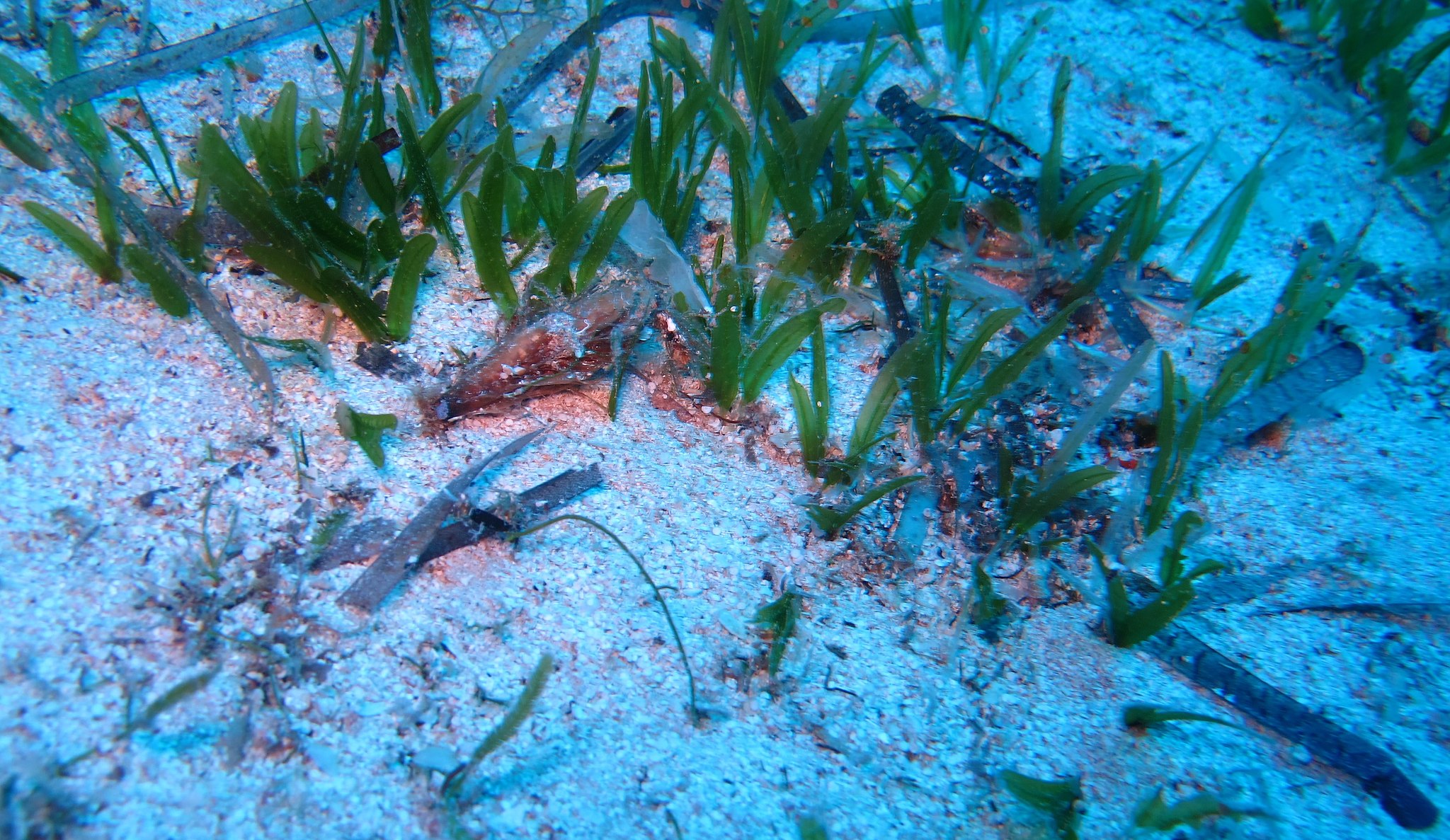
Halophila stipulacea
Media Photo/Video

March 10, 2022

download Download gary_krupnick_-_halophila_stipulacea_2-wikimedia.jpg

Winning plant species that are not useful to humans are often considered invasive and able to exploit the conditions associated with intense human impact on the environment. Halophila stipulacea is a good example of this category. A 2006 study identified it as one of the “100 Worst Invasive Alien Species in the Mediterranean” due to its serious negative impacts on marine biodiversity. Native to the Indian Ocean, this species spread into the Mediterranean Sea after the opening of the Suez Canal and is now found in the Caribbean Sea as well.
Tags
Research News

Tags

  • Natural History Museum
  • Research News

Related Media

Ginkgo leaves on a branch

Image

document

Ginkgo Biloba

03.10.2022
Single flower on a dark leaf

Image

document

Magnolia ekmanii

03.10.2022

Related Content

  • Smithsonian Study Finds More ‘Losers’ Than ‘Winners’ Among Plants in the Age of Humans

    A new analysis spanning more than 86,000 plant species from John Kress, botany curator emeritus at the

    • March 10, 2022
    • News Release
    • Natural History Museum
    • Research News
arrow-up Back to top
Home
  • Facebook facebook
  • Instagram instagram
  • LinkedIn linkedin
  • YouTube youtube

  • Contact Us
  • Get Involved
  • Shop Online
  • Job Opportunities
  • Equal Opportunity
  • Inspector General
  • Records Requests
  • Accessibility
  • Host Your Event
  • Press Room
  • Privacy
  • Terms of Use