Skip to main content Skip to main navigation
heart-solid My Visit Donate
Home Smithsonian Institution IK development site for ODI
Press Enter to activate a submenu, down arrow to access the items and Escape to close the submenu.
    • Overview
    • Museums and Zoo
    • Entry and Guidelines
    • Museum Maps
    • Dine and Shop
    • Accessibility
    • Visiting with Kids
    • Group Visits
    • Overview
    • Exhibitions
    • Online Events
    • All Events
    • IMAX & Planetarium
    • Overview
    • Topics
    • Collections
    • Research Resources
    • Stories
    • Podcasts
    • Overview
    • For Caregivers
    • For Educators
    • For Students
    • For Academics
    • For Lifelong Learners
    • Overview
    • Become a Member
    • Renew Membership
    • Make a Gift
    • Volunteer
    • Overview
    • Our Organization
    • Our Leadership
    • Reports and Plans
    • Newsdesk
heart-solid My Visit Donate
  1. Home
  2. forward-slash
  3. About
  4. forward-slash
  5. Newsdesk
  6. forward-slash
  7. Photos and Video
  8. forward-slash
  9. Carbon Figure 2

About

  • Overview
  • Our Organization
    • Board of Regents
    • Museums and Zoo
    • Research Centers
    • Cultural Centers
    • Education Centers
    • General Counsel
    • Office of Human Resources
    • Office of Equal Opportunity
    • Office of Sponsored Projects
    • Office of Protection Services
  • Our Leadership
  • Reports and Plans
    • Annual Reports
    • Strategic Plan
    • Smithsonian Dashboard
  • Newsdesk
    • News Releases
    • Media Contacts
    • Photos and Video
    • Media Kits
    • Fact Sheets
    • Visitor Stats
    • Secretary and Admin Bios
    • Filming Requests

Carbon Figure 2

Media Photo/Video

April 1, 2020

Rebecca Fischer

download Download fig1a.png

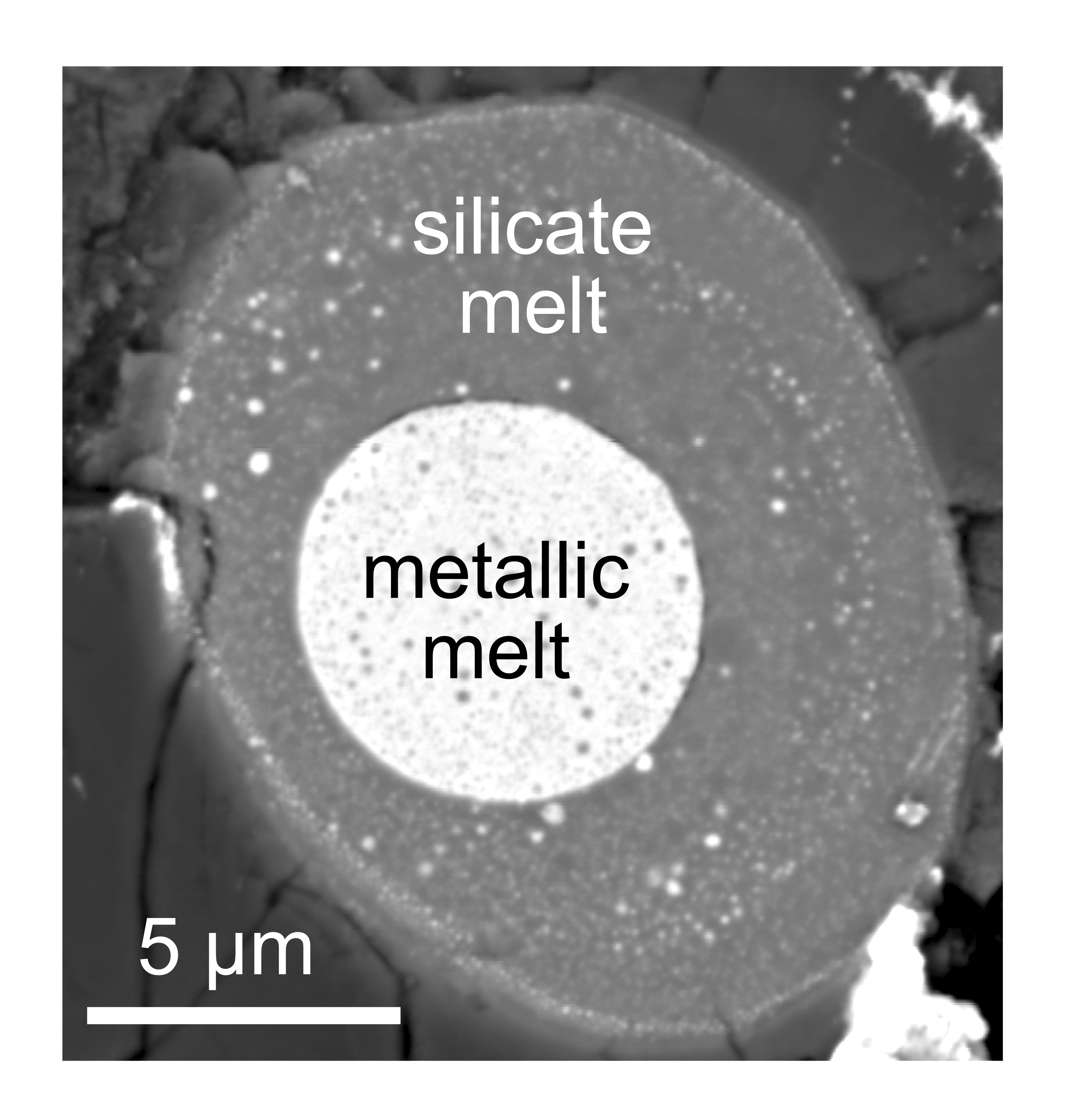
A team of scientists reports March 30 in the journal Proceedings of the National Academy of Sciences how carbon behaved during Earth’s violent formative period. The findings can help scientists understand how much carbon likely exists in the planet’s core and the ways it influences chemical and dynamic activities that shape the world, including the convective motion that powers the magnetic field that protects Earth from cosmic radiation. The team’s lab experiments compared carbon’s compatibility of silicates that comprise the Earth’s mantle (outer circle) to its compatibility with the iron that comprises the planet’s core (inner circle). The lab experiments were conducted under conditions mimicking the Earth’s interior during its formative period. They found that more carbon would have stayed in the mantle than previously thought.

Tags
Research News

Tags

  • Natural History Museum
  • Research News

Related Media

Image

document

Carbon Figure 1

04.01.2020

Related Content

  • Most of Earth’s Carbon Was Hidden in the Core During Its Formative Years

    Carbon is an essential building block for all living things on Earth and plays a vital role in many of the geologic processes that shape life on the planet, including climate change and ocean acidi

    • April 1, 2020
    • News Release
    • Natural History Museum
    • Research News
arrow-up Back to top
Home
  • Facebook facebook
  • Instagram instagram
  • LinkedIn linkedin
  • YouTube youtube

  • Contact Us
  • Get Involved
  • Shop Online
  • Job Opportunities
  • Equal Opportunity
  • Inspector General
  • Records Requests
  • Accessibility
  • Host Your Event
  • Press Room
  • Privacy
  • Terms of Use