Skip to main content Skip to main navigation
heart-solid My Visit Donate
Home Smithsonian Institution IK development site for ODI
Press Enter to activate a submenu, down arrow to access the items and Escape to close the submenu.
    • Overview
    • Museums and Zoo
    • Entry and Guidelines
    • Museum Maps
    • Dine and Shop
    • Accessibility
    • Visiting with Kids
    • Group Visits
    • Overview
    • Exhibitions
    • Online Events
    • All Events
    • IMAX & Planetarium
    • Overview
    • Topics
    • Collections
    • Research Resources
    • Stories
    • Podcasts
    • Overview
    • For Caregivers
    • For Educators
    • For Students
    • For Academics
    • For Lifelong Learners
    • Overview
    • Become a Member
    • Renew Membership
    • Make a Gift
    • Volunteer
    • Overview
    • Our Organization
    • Our Leadership
    • Reports and Plans
    • Newsdesk
heart-solid My Visit Donate
  1. Home
  2. forward-slash
  3. Support Your Smithsonian
  4. forward-slash
  5. IMPACT
  6. forward-slash
  7. Preserving Living Memory

Women’s Voices

Smithsonian American Women’s History Museum
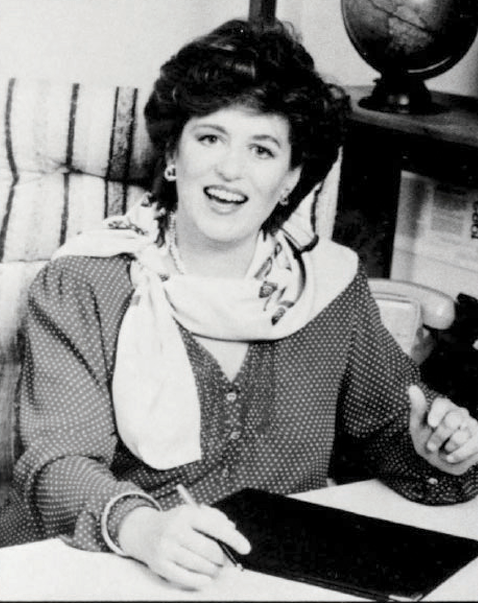
black and white photo of woman sitting at desk

Emily Card PHOTO Sessions

In 1974, the U.S. Senate dress code forbade women from wearing pants. Emily Card, then a legislative fellow, was too busy drumming up support for the Equal Credit Opportunity Act to comply. “By the time I went to the floor … I was in a white pantsuit … and platform shoes. I was really dressed up like a California woman.” Although she anticipated resistance to the legislation, it passed, transforming American women’s lives.

Card’s story launched We Do Declare: Women’s Voices on Independence, a new oral history and education initiative on economic independence on the website of the Smithsonian American Women’s History Museum.

“Museums have a real opportunity,” said Rachel Seidman, curator at the museum. “Because of changes in technology and changes in popular culture, we are in this moment where people are listening to things all the time … people really respond to listening to other people’s stories and their voices.”

Read more about oral history projects happening across the Smithsonian.


Published Winter 2025 in IMPACT Vol. 11. No 1

arrow-up Back to top
Home
  • Facebook facebook
  • Instagram instagram
  • LinkedIn linkedin
  • YouTube youtube

  • Contact Us
  • Get Involved
  • Shop Online
  • Job Opportunities
  • Equal Opportunity
  • Inspector General
  • Records Requests
  • Accessibility
  • Host Your Event
  • Press Room
  • Privacy
  • Terms of Use