Fishes of the Amazon
Natural History Museum + Data Science Lab
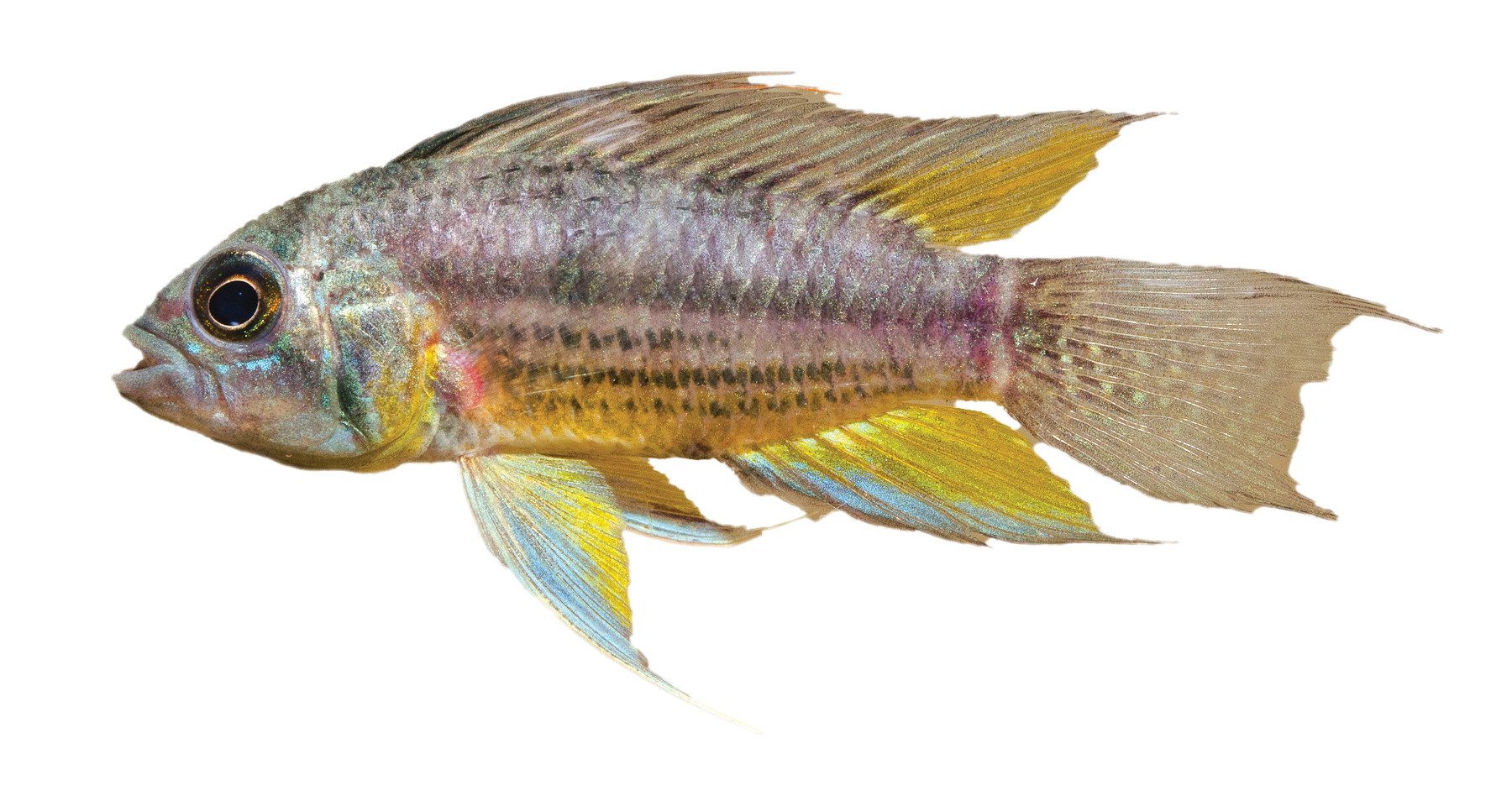
“If we can work with communities to use AI in ecological hotspots, maybe we can counter the biodiversity crisis.”
—Carlos David De Santana, National Museum of Natural History
Current methods of identifying fish species require scientists to examine specimens through a microscope or conduct DNA testing. But what if identification could be achieved simply by taking a cell phone photo?
Researchers with the National Museum of Natural History and the Smithsonian Data Science Lab explored that question in a recent study of fish species in the Amazon River in Peru. The team used AI to train a computer model to identify fishes based solely on photographs.
Researchers took thousands of images of fresh-caught Peruvian fish species—including catfish, electric fish, and tetra— and combined them with images of specimens in the National Museum of Natural History’s fish collection to train a computer model to identify fishes. The resulting model identified 33 genera of fish with a mean accuracy of 97.9%; it is now available online for anyone to use.
Scientists hope that enabling rapid identification of fishes will empower communities to better manage their environments as fish populations decline amid climate change and human development.
“We are excited about using deep learning tools to accelerate species identification and discovery,” said Carlos David de Santana, study author and research associate, National Museum of Natural History. “If we can work with communities to use AI in ecological hotspots, maybe we can counter the biodiversity crisis.”
Published Winter 2024 in IMPACT Vol. 10. No 1
Click here to read more about how Smithsonian experts are applying artificial intelligence (AI) across diverse disciplines.
Your gift fuels innovation, inspiration and exploration for lifelong learners everywhere. Make a gift today.