Skip to main content Skip to main navigation
heart-solid My Visit Donate
Home Smithsonian Institution IK development site for ODI
Press Enter to activate a submenu, down arrow to access the items and Escape to close the submenu.
    • Overview
    • Museums and Zoo
    • Entry and Guidelines
    • Museum Maps
    • Dine and Shop
    • Accessibility
    • Visiting with Kids
    • Group Visits
    • Overview
    • Exhibitions
    • Online Events
    • All Events
    • IMAX & Planetarium
    • Overview
    • Topics
    • Collections
    • Research Resources
    • Stories
    • Podcasts
    • Overview
    • For Caregivers
    • For Educators
    • For Students
    • For Academics
    • For Lifelong Learners
    • Overview
    • Become a Member
    • Renew Membership
    • Make a Gift
    • Volunteer
    • Overview
    • Our Organization
    • Our Leadership
    • Reports and Plans
    • Newsdesk
heart-solid My Visit Donate
  1. Home
  2. forward-slash
  3. Explore
  4. forward-slash
  5. Stories
  6. forward-slash
  7. Where Did Rudolph Get His Shiny Nose?

Explore

  • Overview
  • Topics
    • Art & Design
    • History & Culture
    • Science & Nature
    • Tech & Innovation
  • Collections
    • Open Access
    • Smithsonian Snapshot
    • Collection Spotlights
  • Research Resources
    • Libraries
    • Archives
  • Stories
  • Podcasts
Smithsonian Story

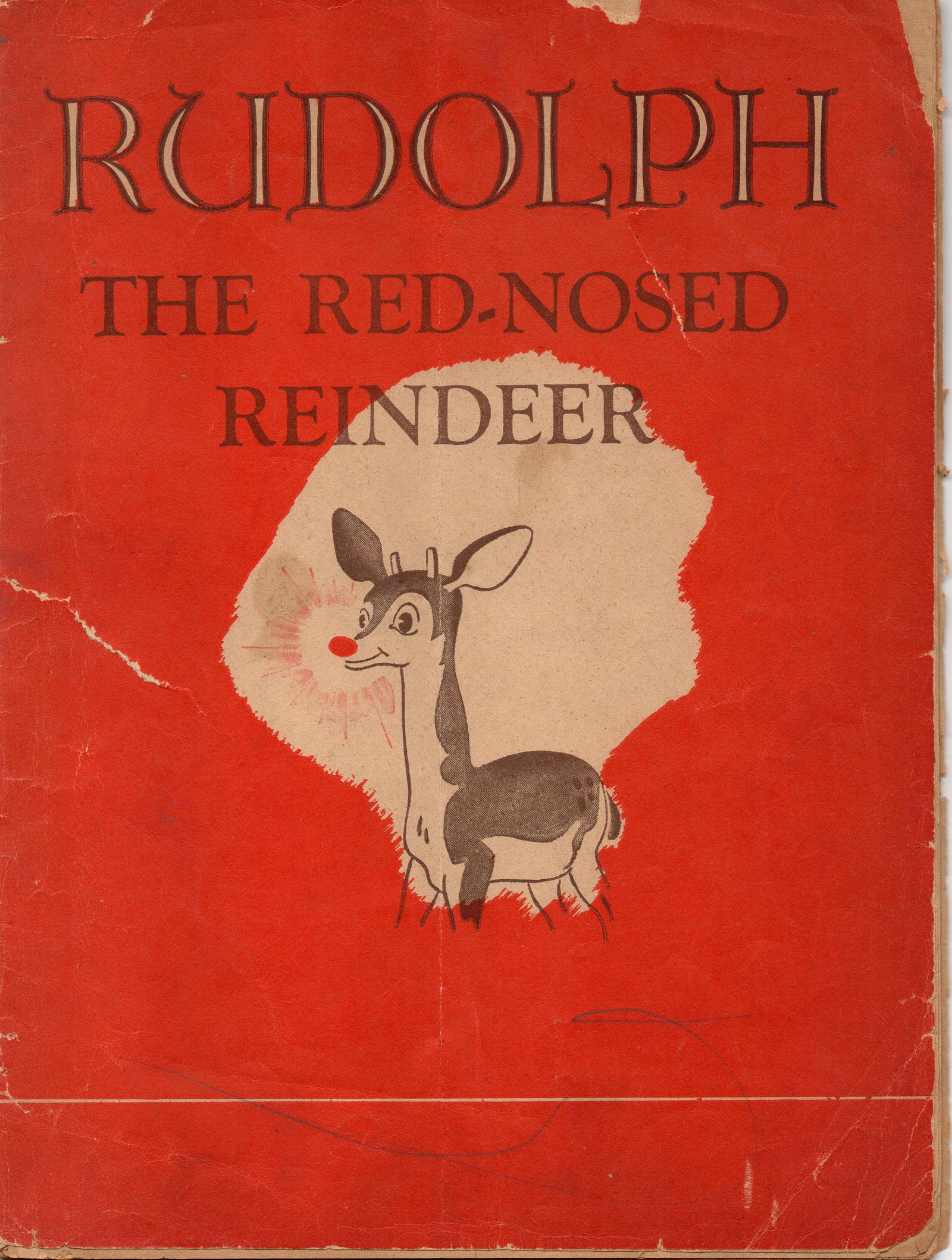
Rudolph the Red-Nosed Reindeer was a very shiny marketing tool
December 17, 2020
Red booklet cover with illustration of a reindeer with a red nose. Text: Rudolph the Red-Nosed Reindeer.

1939 booklet for "Rudolph the Red-Nosed Reindeer" in the National Museum of American History's collection


Santa’s most famous reindeer got his start in 1939, when a writer for the Montgomery Ward department store used Rudolph to boost profits during the holiday season.

Robert May first created the story for his daughter, but then turned it into a promotional booklet at work. It was handed out for free to kids who came to the store—bringing along their parents and their wallets.

Denver Gillen, a young commercial artist who also worked for Montgomery Ward, did the illustrations.

Other names besides Rudolph that May considered? Romeo, Rodney and Reginald.

Montgomery Ward distributed 2.4 million copies of Rudolph’s story in the first year. The name stuck, and a classic was born.

Ten years later, May’s brother-in-law Johnny Marks adapted the story and set it to music.

This booklet is one of the originals from 1939, and it’s now in our National Museum of American History’s collection.

arrow-up Back to top
Home
  • Facebook facebook
  • Instagram instagram
  • LinkedIn linkedin
  • YouTube youtube

  • Contact Us
  • Get Involved
  • Shop Online
  • Job Opportunities
  • Equal Opportunity
  • Inspector General
  • Records Requests
  • Accessibility
  • Host Your Event
  • Press Room
  • Privacy
  • Terms of Use