Skip to main content Skip to main navigation
heart-solid My Visit Donate
Home Smithsonian Institution IK development site for ODI
Press Enter to activate a submenu, down arrow to access the items and Escape to close the submenu.
    • Overview
    • Museums and Zoo
    • Entry and Guidelines
    • Museum Maps
    • Dine and Shop
    • Accessibility
    • Visiting with Kids
    • Group Visits
    • Overview
    • Exhibitions
    • Online Events
    • All Events
    • IMAX & Planetarium
    • Overview
    • Topics
    • Collections
    • Research Resources
    • Stories
    • Podcasts
    • Overview
    • For Caregivers
    • For Educators
    • For Students
    • For Academics
    • For Lifelong Learners
    • Overview
    • Become a Member
    • Renew Membership
    • Make a Gift
    • Volunteer
    • Overview
    • Our Organization
    • Our Leadership
    • Reports and Plans
    • Newsdesk
heart-solid My Visit Donate

Williams WR19 Turbofan Engine

Air and Space Museum

There are restrictions for re-using this image. For more information, visit the Smithsonian's Terms of Use page .
International media Interoperability Framework
IIIF provides researchers rich metadata and media viewing options for comparison of works across cultural heritage collections. Visit the IIIF page to learn more.
View manifest View in Mirador Viewer

    Object Details

    Designer

    Sam Williams

    Manufacturer

    Williams Research Corporation, Walled Lake, Michigan

    Physical Description

    Type: Turbofan
    Thrust: 1,910 N (430 lb)
    Fan: 2-stage axial
    Compressor: 2-stage axial low pressure, single-stage centrifugal high pressure
    Combustor: Annular
    Turbine: Single-stage high pressure, 2-stage low pressure
    Weight: 30 kg (67 lb)

    Summary

    The Williams WR19 is the world’s smallest turbofan power plant. It has been used in the Bell Flying Belt, the Williams Aerial Systems Platform (WASP), and the Kaman Stowable Aircrew Vehicle Escape Rotoseat (SAVER). Developments of this turbofan engine power the Foxjet business aircraft and all U.S. cruise missiles under development in 1980.
    Small turbine engines such as WR19 are finding industrial, marine, automotive, and pipeline applications. Earlier Williams turbojets powered unmanned target drones and were used as auxiliary power units for military transport aircraft. The initial high cost of such powers is often offset by their efficiency, low operating costs, and low maintenance requirements.

    Credit Line

    Gift of Williams Research Corporation, Walled Lake, Michigan

    Date

    1969

    Inventory Number

    A19790109000

    Restrictions & Rights

    Usage conditions apply

    Type

    PROPULSION-Turbines (Jet)

    Materials

    Metal

    Dimensions

    Length 61 cm (24.0 in.), Diameter 30.5 cm (12.0 in.)

    Country of Origin

    United States of America

    See more items in

    National Air and Space Museum Collection

    Data Source

    National Air and Space Museum

    Metadata Usage

    Not determined

    Link to Original Record

    http://n2t.net/ark:/65665/nv923542a3c-cc85-4a44-a80b-3e6cbdcedf13

    Record ID

    nasm_A19790109000

    Discover More

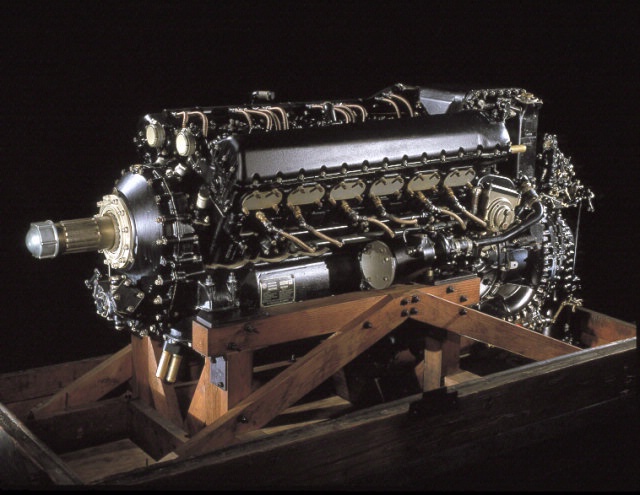
    Image of Packard Merlin V-1650-7 engine

    Propulsion

    Image of Packard Merlin V-1650-7 engine

    Propulsion

    arrow-up Back to top
    Home
    • Facebook facebook
    • Instagram instagram
    • LinkedIn linkedin
    • YouTube youtube

    • Contact Us
    • Get Involved
    • Shop Online
    • Job Opportunities
    • Equal Opportunity
    • Inspector General
    • Records Requests
    • Accessibility
    • Host Your Event
    • Press Room
    • Privacy
    • Terms of Use