Skip to main content Skip to main navigation
heart-solid My Visit Donate
Home Smithsonian Institution IK development site for ODI
Press Enter to activate a submenu, down arrow to access the items and Escape to close the submenu.
    • Overview
    • Museums and Zoo
    • Entry and Guidelines
    • Museum Maps
    • Dine and Shop
    • Accessibility
    • Visiting with Kids
    • Group Visits
    • Overview
    • Exhibitions
    • Online Events
    • All Events
    • IMAX & Planetarium
    • Overview
    • Topics
    • Collections
    • Research Resources
    • Stories
    • Podcasts
    • Overview
    • For Caregivers
    • For Educators
    • For Students
    • For Academics
    • For Lifelong Learners
    • Overview
    • Become a Member
    • Renew Membership
    • Make a Gift
    • Volunteer
    • Overview
    • Our Organization
    • Our Leadership
    • Reports and Plans
    • Newsdesk
heart-solid My Visit Donate

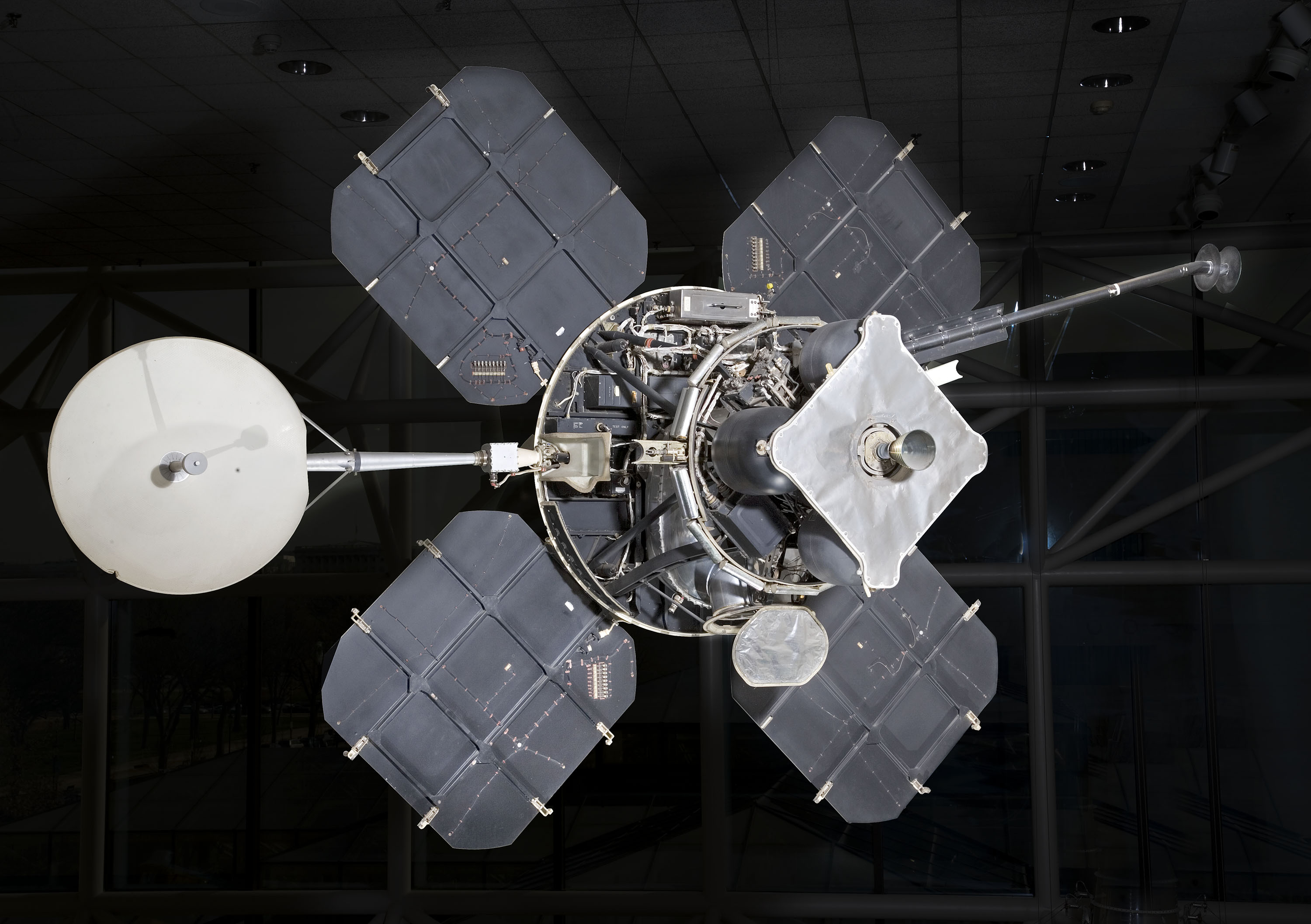
Satellite, ERS-17, Parts

Air and Space Museum

There are restrictions for re-using this image. For more information, visit the Smithsonian's Terms of Use page .
International media Interoperability Framework
IIIF provides researchers rich metadata and media viewing options for comparison of works across cultural heritage collections. Visit the IIIF page to learn more.
View manifest View in Mirador Viewer

Object Details

Manufacturer

TRW Space & Technology Group

Summary

These are four approximately one-foot long pieces of Stanley Tool & Die metal measuring tape that were used as antennas for the Environmental Research Satellites built by TRW Space Vehicles Division for the Department of Defense. They formed part of a gift of a demonstration model of the satellite donated to NASM by TRW in April 1975. It is now stored at the Garber facility. The normal winding mechanism for a tape measure was reversed on the satellite to cause the tape to deploy after launch.
The TRS/ERS series of spacecraft were developed in the early years of the space program. They were called piggyback satellites because they were launched on other spacecraft and were then detached once in orbit. The primary mission of these small polygonal satellites was more often military than scientific in nature. Power for operation of the on-board instruments and transmitters was provided by silicon solar cells that covered the sides. The National Air and Space Museum's demonstration model is of the U.S. Air Force satellite ERS-17, flown aboard an Atlas-Agena vehicle on July 20, 1965. It stayed aloft for 43 hours.

Credit Line

Gift of the TRW Space and Technology Group

Inventory Number

A19761800003

Restrictions & Rights

Usage conditions apply

Type

SPACECRAFT-Uncrewed-Parts & Structural Components

Materials

Steel
Paint

Dimensions

Overall: 1ft 8 1/8in. x 1/2in. x 1/16in. (51.12 x 1.27 x 0.16cm)

Country of Origin

United States of America

See more items in

National Air and Space Museum Collection

Data Source

National Air and Space Museum

Metadata Usage

Not determined

Link to Original Record

http://n2t.net/ark:/65665/nv97482ae59-a1af-4650-8cae-f5eb70ae0f42

Record ID

nasm_A19761800003

Discover More

Lunar orbiter on display

Space Science

Lunar orbiter on display

Space Science

arrow-up Back to top
Home
  • Facebook facebook
  • Instagram instagram
  • LinkedIn linkedin
  • YouTube youtube

  • Contact Us
  • Get Involved
  • Shop Online
  • Job Opportunities
  • Equal Opportunity
  • Inspector General
  • Records Requests
  • Accessibility
  • Host Your Event
  • Press Room
  • Privacy
  • Terms of Use