Skip to main content Skip to main navigation
heart-solid My Visit Donate
Home Smithsonian Institution IK development site for ODI
Press Enter to activate a submenu, down arrow to access the items and Escape to close the submenu.
    • Overview
    • Museums and Zoo
    • Entry and Guidelines
    • Museum Maps
    • Dine and Shop
    • Accessibility
    • Visiting with Kids
    • Group Visits
    • Overview
    • Exhibitions
    • Online Events
    • All Events
    • IMAX & Planetarium
    • Overview
    • Topics
    • Collections
    • Research Resources
    • Stories
    • Podcasts
    • Overview
    • For Caregivers
    • For Educators
    • For Students
    • For Academics
    • For Lifelong Learners
    • Overview
    • Become a Member
    • Renew Membership
    • Make a Gift
    • Volunteer
    • Overview
    • Our Organization
    • Our Leadership
    • Reports and Plans
    • Newsdesk
heart-solid My Visit Donate

Penetrometer, Lunar Self Recording (LSRP), Apollo

Air and Space Museum

This media is in the public domain (free of copyright restrictions). You can copy, modify, and distribute this work without contacting the Smithsonian. For more information, visit the Smithsonian's Open Access page.
International media Interoperability Framework
IIIF provides researchers rich metadata and media viewing options for comparison of works across cultural heritage collections. Visit the IIIF page to learn more.
View manifest View in Mirador Viewer

Object Details

Manufacturer

NASA, Lyndon B. Johnson Space Center

Summary

The Self-Recording Penetrometer was a device used on Apollo 15 and 16 to measure some mechanical properties of the lunar soil. When an astronaut pushed on the upper end, the bearing plate or lower cone and shaft would penetrate into the lunar soil while the reference pad stayed on the surface. A retractor cable mechanism running from the reference pad to the upper housing actuated a stylus which would move axially along the recording drum to measure the depth of penetration. The force applied through the extension handle by the astronaut was measured by a coil spring which caused the recording drum to rotate under the stylus by an amount proportional to the force. The LSRP had a maximum penetration depth of 76 cm and the ability to measure penetration force to a maximum of 111 Newtons. Upon return to Earth, the results from these tests were analyzed.
This item was used for training and was transferred to the Smithsonian in 1974.

Credit Line

Transferred from the National Aeronautics and Space Administration

Inventory Number

A19750056000

Restrictions & Rights

CC0

Type

EQUIPMENT-Lunar

Materials

Aluminum
Plastic
Synthetic Fabric
Velcro

Dimensions

3-D: 38.1 × 8.9 × 106.7cm (1 ft. 3 in. × 3 1/2 in. × 3 ft. 6 in.)

Country of Origin

United States of America

See more items in

National Air and Space Museum Collection

Data Source

National Air and Space Museum

Metadata Usage

CC0

Link to Original Record

http://n2t.net/ark:/65665/nv983cba700-41a8-4da6-aa8f-037967f5d0b8

Record ID

nasm_A19750056000

Discover More

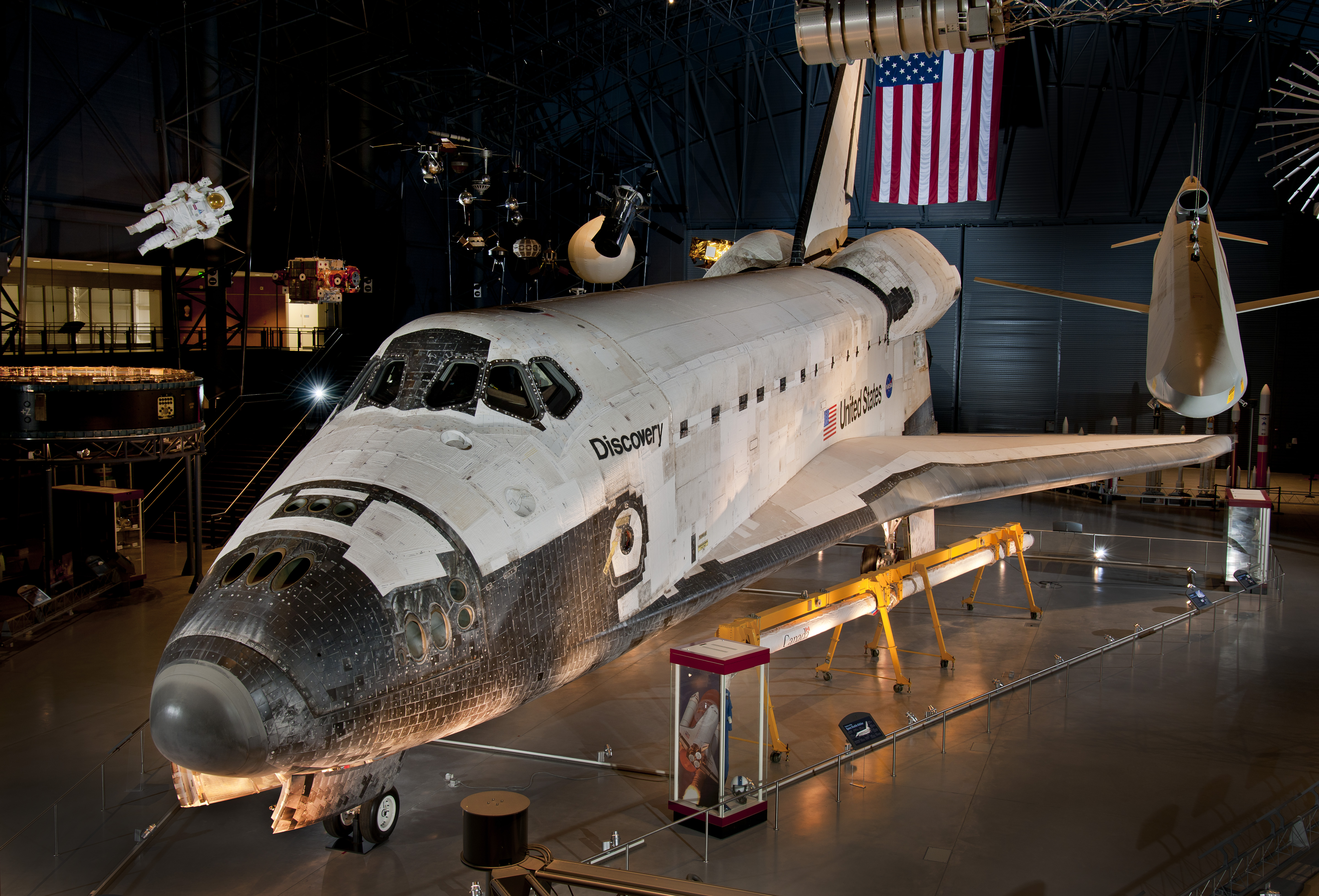
Space Shuttle orbiter Discovery on display in the McDonnell Space Hangar at the Steven F. Udvar-Hazy Center

Human Spaceflight

Space Shuttle orbiter Discovery on display in the McDonnell Space Hangar at the Steven F. Udvar-Hazy Center

Human Spaceflight

arrow-up Back to top
Home
  • Facebook facebook
  • Instagram instagram
  • LinkedIn linkedin
  • YouTube youtube

  • Contact Us
  • Get Involved
  • Shop Online
  • Job Opportunities
  • Equal Opportunity
  • Inspector General
  • Records Requests
  • Accessibility
  • Host Your Event
  • Press Room
  • Privacy
  • Terms of Use