Skip to main content Skip to main navigation
heart-solid My Visit Donate
Home Smithsonian Institution IK development site for ODI
Press Enter to activate a submenu, down arrow to access the items and Escape to close the submenu.
    • Overview
    • Museums and Zoo
    • Entry and Guidelines
    • Museum Maps
    • Dine and Shop
    • Accessibility
    • Visiting with Kids
    • Group Visits
    • Overview
    • Exhibitions
    • Online Events
    • All Events
    • IMAX & Planetarium
    • Overview
    • Topics
    • Collections
    • Research Resources
    • Stories
    • Podcasts
    • Overview
    • For Caregivers
    • For Educators
    • For Students
    • For Academics
    • For Lifelong Learners
    • Overview
    • Become a Member
    • Renew Membership
    • Make a Gift
    • Volunteer
    • Overview
    • Our Organization
    • Our Leadership
    • Reports and Plans
    • Newsdesk
heart-solid My Visit Donate

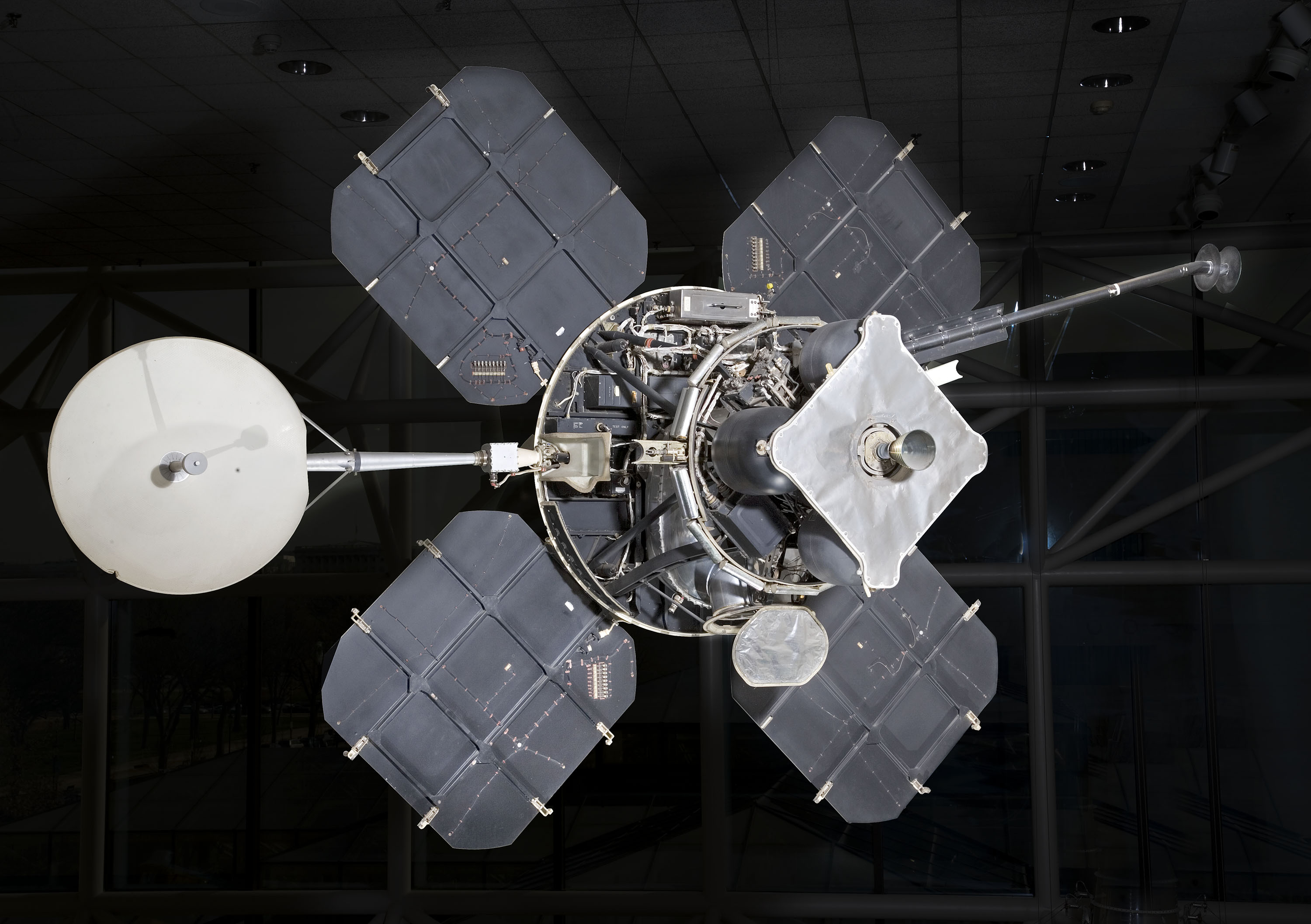
Payload, Scientific, Spartan 201

Air and Space Museum

There are restrictions for re-using this image. For more information, visit the Smithsonian's Terms of Use page .
International media Interoperability Framework
IIIF provides researchers rich metadata and media viewing options for comparison of works across cultural heritage collections. Visit the IIIF page to learn more.
View manifest View in Mirador Viewer

    Object Details

    Manufacturer

    Swales Engineering Services, Inc.

    Summary

    This is the original Spartain flight instrument carried into space five times in the Shuttle payload bay and deployed for the duration of each mission into a parallel orbit with Shuttle. The SPARTAN program was created by NASA in the 1980s to replace its suborbital sounding rocket program. The scientific payloads for SPARTAN therefore were of the same order as those formerly carried aloft by Aerobees and other sounding rockets. This retrievable system as presently instrumented houses an ultraviolet coronagraph from the Smithsonian Astrophysical Observatory and a white light coronagraph from the Goddard Space Flight Center. These devices use internal and external means of occulting the solar photosphere to reveal the structure of the sun's faint outer atmosphere. They and other similar instruments studied the solar corona on five separate occasions and played a part in numerous Shuttle exercises.
    This particular SPARTAN 2101 configuration was reassembled by Swales, Inc., under NASA contract, for display at the Hazy Center in 2003. They reintegrated both the Goddard and SAO coronagraphs.

    Alternate Name

    Spartan 201 Satellite

    Credit Line

    Transferred from National Aeronautics and Space Administration - Goddard Space Flight Center.

    Inventory Number

    A20040121000

    Restrictions & Rights

    Usage conditions apply

    Type

    SPACECRAFT-Uncrewed

    Materials

    Mixed metals, foil, optics, electronics

    Dimensions

    Overall: 7ft 8in. x 10ft 2in. x 6ft, 3300lb. (233.68 x 309.88 x 182.88cm, 1496.9kg)

    Country of Origin

    United States of America

    See more items in

    National Air and Space Museum Collection

    Location

    Steven F. Udvar-Hazy Center in Chantilly, VA

    Exhibit Station

    Space Science

    Data Source

    National Air and Space Museum

    Metadata Usage

    Not determined

    Link to Original Record

    http://n2t.net/ark:/65665/nv991ec98fd-190b-4c3e-9f69-bc013e46d3b7

    Record ID

    nasm_A20040121000

    Discover More

    Lunar orbiter on display

    Space Science

    Lunar orbiter on display

    Space Science

    arrow-up Back to top
    Home
    • Facebook facebook
    • Instagram instagram
    • LinkedIn linkedin
    • YouTube youtube

    • Contact Us
    • Get Involved
    • Shop Online
    • Job Opportunities
    • Equal Opportunity
    • Inspector General
    • Records Requests
    • Accessibility
    • Host Your Event
    • Press Room
    • Privacy
    • Terms of Use