Skip to main content Skip to main navigation
heart-solid My Visit Donate
Home Smithsonian Institution IK development site for ODI
Press Enter to activate a submenu, down arrow to access the items and Escape to close the submenu.
    • Overview
    • Museums and Zoo
    • Entry and Guidelines
    • Museum Maps
    • Dine and Shop
    • Accessibility
    • Visiting with Kids
    • Group Visits
    • Overview
    • Exhibitions
    • Online Events
    • All Events
    • IMAX & Planetarium
    • Overview
    • Topics
    • Collections
    • Research Resources
    • Stories
    • Podcasts
    • Overview
    • For Caregivers
    • For Educators
    • For Students
    • For Academics
    • For Lifelong Learners
    • Overview
    • Become a Member
    • Renew Membership
    • Make a Gift
    • Volunteer
    • Overview
    • Our Organization
    • Our Leadership
    • Reports and Plans
    • Newsdesk
heart-solid My Visit Donate

General Electric XT700-GE-700 Turboshaft Engine

Air and Space Museum

This media is in the public domain (free of copyright restrictions). You can copy, modify, and distribute this work without contacting the Smithsonian. For more information, visit the Smithsonian's Open Access page.
International media Interoperability Framework
IIIF provides researchers rich metadata and media viewing options for comparison of works across cultural heritage collections. Visit the IIIF page to learn more.
View manifest View in Mirador Viewer

    Object Details

    Manufacturer

    General Electric Aircraft Engines

    Physical Description

    Type: Turboshaft
    Power Rating: 1,167 kW (1,565 shp)
    Compressor: 5-stage axial, single-stage centrifugal
    Combustor: Annular
    Turbine: 2-stage axial gas generator turbine, 2-stage axial power turbine
    Weight: 192 kg (423 lb)

    Summary

    The T700 engine evolved directly from Army experience in the Vietnam War's difficult operating conditions that created helicopter engine maintenance problems. GE won the 1971 power plant competition for the proposed Utility Tactical Transport System (UTTAS) helicopter, with specifications for a high performance, low fuel consumption, reduced maintenance, and combat damage resistant engine. This is one of the experimental engines used in the UTTAS rotorcraft competition in 1974.
    Modular construction allowed major engine assemblies to be replaced in the field within minutes. New compressor and intake design reduced maintenance and foreign object damage. A self-contained oil system and suction fuel system made the engine less vulnerable to combat damage.
    Among military T700 powered helicopters were the Sikorsky UH-60 Black Hawk and SH-60 Seahawk, McDonnell Douglas AH-64 Apache, and Bell AH-1W SuperCobra. Commercial applications included the Bell 214ST and Sikorsky S-70C. The CT7 turboprop version powered such commuter aircraft as the Saab 340 and CASA/IPTN CN-235.

    Credit Line

    Transferred from the U.S. Army

    Date

    Circa 1974

    Inventory Number

    A19860224000

    Restrictions & Rights

    CC0

    Type

    PROPULSION-Turbines (Jet)

    Materials

    Aluminum, Steel, Stainless steel, Plastic, Rubber, Paint, Inconel

    Dimensions

    Length 118.1 cm (46.5 in.), Diameter 63.5 cm (25 in.)

    Country of Origin

    United States of America

    See more items in

    National Air and Space Museum Collection

    Data Source

    National Air and Space Museum

    Metadata Usage

    CC0

    Link to Original Record

    http://n2t.net/ark:/65665/nv9162f0555-eb30-45ff-bfe6-337c4a62426f

    Record ID

    nasm_A19860224000

    Discover More

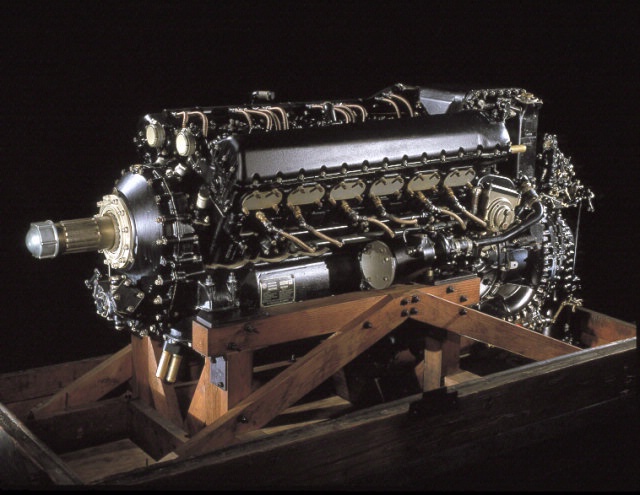
    Image of Packard Merlin V-1650-7 engine

    Propulsion

    Image of Packard Merlin V-1650-7 engine

    Propulsion

    arrow-up Back to top
    Home
    • Facebook facebook
    • Instagram instagram
    • LinkedIn linkedin
    • YouTube youtube

    • Contact Us
    • Get Involved
    • Shop Online
    • Job Opportunities
    • Equal Opportunity
    • Inspector General
    • Records Requests
    • Accessibility
    • Host Your Event
    • Press Room
    • Privacy
    • Terms of Use