Skip to main content Skip to main navigation
heart-solid My Visit Donate
Home Smithsonian Institution IK development site for ODI
Press Enter to activate a submenu, down arrow to access the items and Escape to close the submenu.
    • Overview
    • Museums and Zoo
    • Entry and Guidelines
    • Museum Maps
    • Dine and Shop
    • Accessibility
    • Visiting with Kids
    • Group Visits
    • Overview
    • Exhibitions
    • Online Events
    • All Events
    • IMAX & Planetarium
    • Overview
    • Topics
    • Collections
    • Research Resources
    • Stories
    • Podcasts
    • Overview
    • For Caregivers
    • For Educators
    • For Students
    • For Academics
    • For Lifelong Learners
    • Overview
    • Become a Member
    • Renew Membership
    • Make a Gift
    • Volunteer
    • Overview
    • Our Organization
    • Our Leadership
    • Reports and Plans
    • Newsdesk
heart-solid My Visit Donate

General Electric J31 Turbojet Engine, Cutaway, Motorized

Air and Space Museum

There are restrictions for re-using this image. For more information, visit the Smithsonian's Terms of Use page .
International media Interoperability Framework
IIIF provides researchers rich metadata and media viewing options for comparison of works across cultural heritage collections. Visit the IIIF page to learn more.
View manifest View in Mirador Viewer

Object Details

Manufacturer

General Electric Co. (Lynn, MA)

Designer

Sir Frank Whittle

Physical Description

Type: Turbojet
Thrust: 7,161 N (1,610 lb) at 16,500 rpm
Compressor: Single-stage centrifugal
Combustor: 10 reverse-flow combustion chambers
Turbine: Single-stage axial
Weight: 386 kg (850 lb)

Summary

Early flight tests of the first General Electric turbojet engine, the Type I-A, clearly showed the need for more power. GE followed with designs generating increased thrust, including the I-16, designated J31 by the military, which first ran in April 1943. About 250 were built, mainly for variants of the Bell P-59 Airacomet. This cutaway is representative of the engines installed in the production models of the Bell P-59A fighter aircraft.
When the government believed that future tactical needs would require turbojet engines to use the same fuel as reciprocating engines, GE further developed the engine for the U.S. Navy as a 100-octane, gasoline-burning version of the standard J31 engine, which normally ran on kerosene fuel. That version, along with a Wright R-1820 piston engine, powered the Ryan FR-1 Fireball, the Navy's first partially jet-powered aircraft.

Credit Line

Transferred from the Department of the Navy, Bureau of Aeronautics

Date

1943

Inventory Number

A19520085000

Restrictions & Rights

Usage conditions apply

Type

PROPULSION-Turbines (Jet)

Dimensions

Width 102 cm (40 in.), Height 178 cm (70 in.)

Country of Origin

United States of America

See more items in

National Air and Space Museum Collection

Location

Steven F. Udvar-Hazy Center in Chantilly, VA

Hangar

Boeing Aviation Hangar

Data Source

National Air and Space Museum

Metadata Usage

Not determined

Link to Original Record

http://n2t.net/ark:/65665/nv94ac42c6e-9da8-41ac-b4a1-086f2b929e6e

Record ID

nasm_A19520085000

Discover More

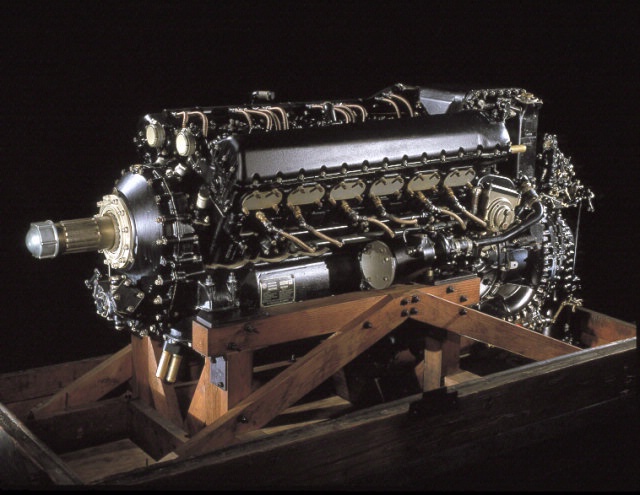
Image of Packard Merlin V-1650-7 engine

Propulsion

Image of Packard Merlin V-1650-7 engine

Propulsion

arrow-up Back to top
Home
  • Facebook facebook
  • Instagram instagram
  • LinkedIn linkedin
  • YouTube youtube

  • Contact Us
  • Get Involved
  • Shop Online
  • Job Opportunities
  • Equal Opportunity
  • Inspector General
  • Records Requests
  • Accessibility
  • Host Your Event
  • Press Room
  • Privacy
  • Terms of Use