Skip to main content Skip to main navigation
heart-solid My Visit Donate
Home Smithsonian Institution IK development site for ODI
Press Enter to activate a submenu, down arrow to access the items and Escape to close the submenu.
    • Overview
    • Museums and Zoo
    • Entry and Guidelines
    • Museum Maps
    • Dine and Shop
    • Accessibility
    • Visiting with Kids
    • Group Visits
    • Overview
    • Exhibitions
    • Online Events
    • All Events
    • IMAX & Planetarium
    • Overview
    • Topics
    • Collections
    • Research Resources
    • Stories
    • Podcasts
    • Overview
    • For Caregivers
    • For Educators
    • For Students
    • For Academics
    • For Lifelong Learners
    • Overview
    • Become a Member
    • Renew Membership
    • Make a Gift
    • Volunteer
    • Overview
    • Our Organization
    • Our Leadership
    • Reports and Plans
    • Newsdesk
heart-solid My Visit Donate

Flag, United States, Freedom 7 Flight

Air and Space Museum

There are restrictions for re-using this image. For more information, visit the Smithsonian's Terms of Use page .
International media Interoperability Framework
IIIF provides researchers rich metadata and media viewing options for comparison of works across cultural heritage collections. Visit the IIIF page to learn more.
View manifest View in Mirador Viewer

    Object Details

    Summary

    This flag, which accompanied NASA astronaut Alan B. Shepard on his 15 minute suborbital journey on May 5, 1961 as the first US human spaceflight, was the first US flag to have been flown in space twice.
    First, it was the first US flag included on a human spaceflight. The student council president and the principal of Cocoa Beach School near the Florida launch site gave the flag to a reporter, who in turn gave it to the head of the NASA Space Task Group, Robert Gilruth, with the request that it be included on Mercury-Redstone 3 (MR-3), if possible. The flag was rolled up and stuck in a wiring bundle in Shepard's spacecraft, Freedom 7, although he was not aware that it was there. After it returned to Earth, the flag was also flown over Independence Hall in Philadelphia, PA on July 4, 1961. Gilruth then returned the flag to the school, which was later called the Freedom 7 School. After the school later closed, the Smithsonian Institution received it in 1984 as a gift of the Brevard (Florida) County Board of Education.
    Then, while the flag was on loan to the Kennedy Space Center and on display at the Astronaut Hall of Fame, NASA sent the flag back to space in 1995 aboard STS-71, which was the 100th human spaceflight flown by the United States.

    Credit Line

    Gift of the Brevard County Board of Education

    Inventory Number

    A19840955000

    Restrictions & Rights

    Usage conditions apply

    Type

    MEMORABILIA-Events

    Materials

    cloth, 2 brass eye ringlets

    Dimensions

    2-D - Unframed (H x W): 58.4 x 91.4cm (23 x 36 in.)

    Country of Origin

    United States of America

    See more items in

    National Air and Space Museum Collection

    Data Source

    National Air and Space Museum

    Metadata Usage

    Not determined

    Link to Original Record

    http://n2t.net/ark:/65665/nv98df55d75-37b0-4dd2-a671-e2ae66fe25f7

    Record ID

    nasm_A19840955000

    Discover More

    American flag whirligig

    Three Cheers for the Red, White, and Blue

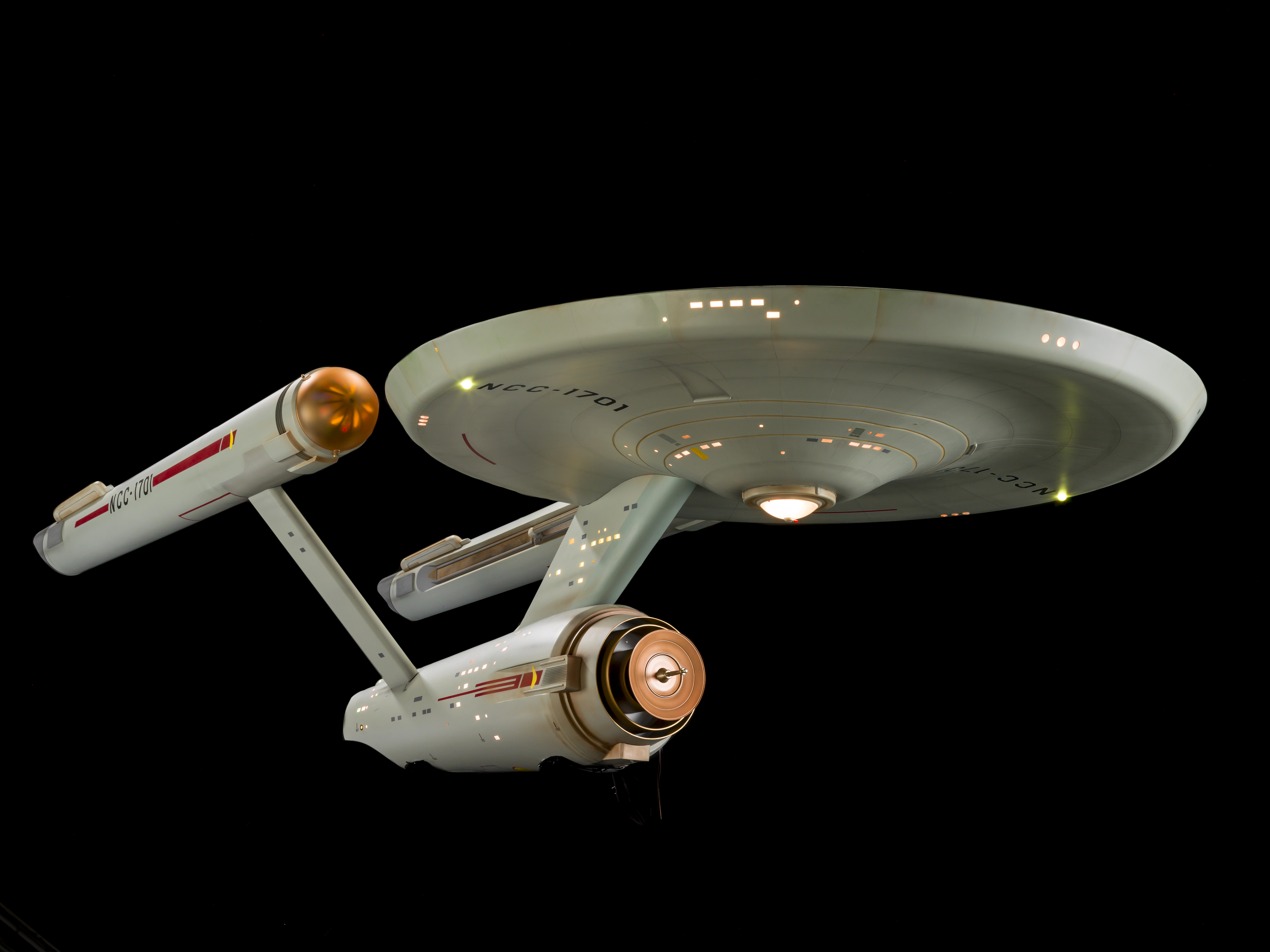
    Image of Star Trek Starship Enterprise model

    Social and Cultural Space Collection

    Image of Star Trek Starship Enterprise model

    Social and Cultural Space Collection

    Facts about the United States Flag

    Facts about the Star-Spangled Banner

    arrow-up Back to top
    Home
    • Facebook facebook
    • Instagram instagram
    • LinkedIn linkedin
    • YouTube youtube

    • Contact Us
    • Get Involved
    • Shop Online
    • Job Opportunities
    • Equal Opportunity
    • Inspector General
    • Records Requests
    • Accessibility
    • Host Your Event
    • Press Room
    • Privacy
    • Terms of Use