Skip to main content Skip to main navigation
heart-solid My Visit Donate
Home Smithsonian Institution IK development site for ODI
Press Enter to activate a submenu, down arrow to access the items and Escape to close the submenu.
    • Overview
    • Museums and Zoo
    • Entry and Guidelines
    • Museum Maps
    • Dine and Shop
    • Accessibility
    • Visiting with Kids
    • Group Visits
    • Overview
    • Exhibitions
    • Online Events
    • All Events
    • IMAX & Planetarium
    • Overview
    • Topics
    • Collections
    • Research Resources
    • Stories
    • Podcasts
    • Overview
    • For Caregivers
    • For Educators
    • For Students
    • For Academics
    • For Lifelong Learners
    • Overview
    • Become a Member
    • Renew Membership
    • Make a Gift
    • Volunteer
    • Overview
    • Our Organization
    • Our Leadership
    • Reports and Plans
    • Newsdesk
heart-solid My Visit Donate

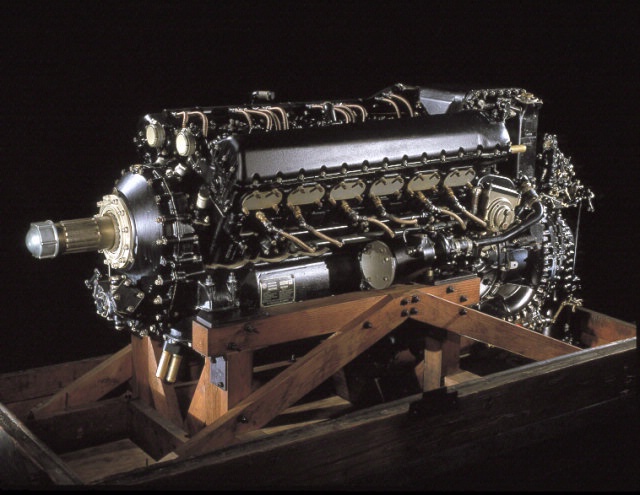
Excelsior (Lawrance) A-3, Horizontally-Opposed 2 Engine

Air and Space Museum

There are restrictions for re-using this image. For more information, visit the Smithsonian's Terms of Use page .
International media Interoperability Framework
IIIF provides researchers rich metadata and media viewing options for comparison of works across cultural heritage collections. Visit the IIIF page to learn more.
View manifest View in Mirador Viewer

    Object Details

    Manufacturer

    Excelsior Auto Cycle Motor Mfg. & Supply (Lawrance)

    Designer

    Lawrance Aero Engine Corp

    Physical Description

    Type: Reciprocating, in-line, 2 cylinders, air-cooled
    Horsepower: 20.9 kW (28 hp) at 1,400 rpm
    Displacement: Not available
    Bore and Stroke: Not available
    Weight: Not available

    Summary

    Like other early manufacturers, engineer Charles L. Lawrance first designed racing car engines before founding the Lawrance Aero Engine Corporation in New York City in 1917.
    Although designed by Lawrance, Excelsior Auto Cycle Motor Mfg. & Supply of Chicago, Illinois manufactured the Model A-3 engine. An interesting feature of this engine was that both pistons worked on the same crank. During World War I, it was used in the non-flying Breeze Penquin training aircraft. The purpose of that aircraft was to instruct student pilots in the use of aircraft controls while running on the ground. Beginning in January 1918, 301 Breeze Penguins were procured.
    Lawrance later had a very successful career with the Wright Aeronautical Corporation, particularly in its development of the famous Whirlwind series of radial engines.

    Credit Line

    Gift of William D. Parker

    Date

    Circa 1916

    Inventory Number

    A19560078000

    Restrictions & Rights

    Usage conditions apply

    Type

    PROPULSION-Reciprocating & Rotary

    Materials

    Steel, Aluminum, Paint, Copper, Phenolic, Textile, Rubber

    Dimensions

    Depth 105.4 cm (41.5 in.), Length 119.4 cm (47 in.), Width 85.1 cm (33.5 in.)

    Country of Origin

    United States of America

    See more items in

    National Air and Space Museum Collection

    Data Source

    National Air and Space Museum

    Metadata Usage

    Not determined

    Link to Original Record

    http://n2t.net/ark:/65665/nv9b94846bb-3ee7-4f4e-9786-b976ead46c0b

    Record ID

    nasm_A19560078000

    Discover More

    Image of Packard Merlin V-1650-7 engine

    Propulsion

    Image of Packard Merlin V-1650-7 engine

    Propulsion

    arrow-up Back to top
    Home
    • Facebook facebook
    • Instagram instagram
    • LinkedIn linkedin
    • YouTube youtube

    • Contact Us
    • Get Involved
    • Shop Online
    • Job Opportunities
    • Equal Opportunity
    • Inspector General
    • Records Requests
    • Accessibility
    • Host Your Event
    • Press Room
    • Privacy
    • Terms of Use