Skip to main content Skip to main navigation
heart-solid My Visit Donate
Home Smithsonian Institution IK development site for ODI
Press Enter to activate a submenu, down arrow to access the items and Escape to close the submenu.
    • Overview
    • Museums and Zoo
    • Entry and Guidelines
    • Museum Maps
    • Dine and Shop
    • Accessibility
    • Visiting with Kids
    • Group Visits
    • Overview
    • Exhibitions
    • Online Events
    • All Events
    • IMAX & Planetarium
    • Overview
    • Topics
    • Collections
    • Research Resources
    • Stories
    • Podcasts
    • Overview
    • For Caregivers
    • For Educators
    • For Students
    • For Academics
    • For Lifelong Learners
    • Overview
    • Become a Member
    • Renew Membership
    • Make a Gift
    • Volunteer
    • Overview
    • Our Organization
    • Our Leadership
    • Reports and Plans
    • Newsdesk
heart-solid My Visit Donate

Camera, Lens, Petzval, Corona

Air and Space Museum

There are restrictions for re-using this image. For more information, visit the Smithsonian's Terms of Use page .
International media Interoperability Framework
IIIF provides researchers rich metadata and media viewing options for comparison of works across cultural heritage collections. Visit the IIIF page to learn more.
View manifest View in Mirador Viewer

    Object Details

    Manufacturer

    ITEK Corporation

    Summary

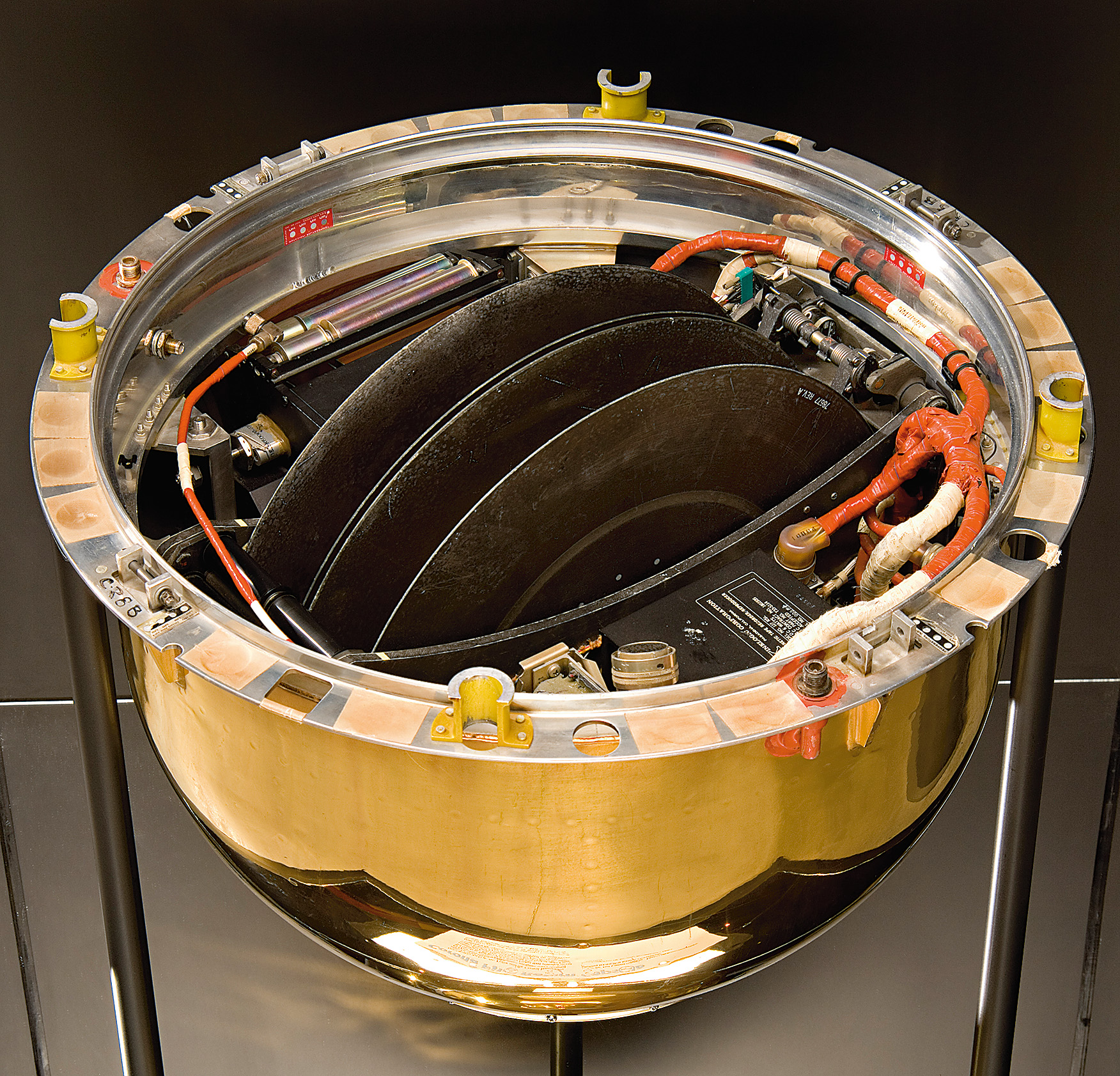
    This is a Petzval lens used from 1962-1972 in the KH-4 through KH-4B cameras that took photographs of the Earth's surface in the US photoreconnaissance satellite program, codenamed Corona. From an altitude of around 120 miles, the cameras photographed targets in the USSR and other nations. The film was reeled onto spools in a film return bucket that separated from the satellite, reentered the Earth's atmosphere, and then deployed a parachute that permitted an Air Force plane to retrieve it. By the end of the program in May 1972 the resolution of the cameras had improved dramatically to about two meters (six feet). The crack in the lens was made during the manufacturing process. Itek made this unflown lens and Hughes Danbury Optical Systems donated it to NASM in 1996.

    Credit Line

    Gift of Hughes Danbury Optical Systems

    Inventory Number

    A19960624000

    Restrictions & Rights

    Usage conditions apply

    Type

    SPACECRAFT-Uncrewed-Instruments & Payloads

    Materials

    Lens--optical glass
    Lens case--magnesium alloy
    Tail cone--titanium
    For additional documentation, see the Corona Program Event; link found under the "Related" tab.

    Dimensions

    3-D (see note): 86 × 18.8 × 20.5cm, 10.7kg (2 ft. 9 7/8 in. × 7 3/8 in. × 8 1/16 in., 23.5lb.)

    Country of Origin

    United States of America

    See more items in

    National Air and Space Museum Collection

    Location

    Steven F. Udvar-Hazy Center in Chantilly, VA

    Hangar

    James S. McDonnell Space Hangar

    Data Source

    National Air and Space Museum

    Metadata Usage

    Not determined

    Link to Original Record

    http://n2t.net/ark:/65665/nv99521765b-7af2-4675-a899-27120aaac0b6

    Record ID

    nasm_A19960624000

    Discover More

    Image of Discoverer XIII film return capsule

    National Security Space

    Image of Discoverer XIII film return capsule

    National Security Space

    arrow-up Back to top
    Home
    • Facebook facebook
    • Instagram instagram
    • LinkedIn linkedin
    • YouTube youtube

    • Contact Us
    • Get Involved
    • Shop Online
    • Job Opportunities
    • Equal Opportunity
    • Inspector General
    • Records Requests
    • Accessibility
    • Host Your Event
    • Press Room
    • Privacy
    • Terms of Use