Object Details
Maker
Somali (Hawiye or Digil clan) artist
Label Text
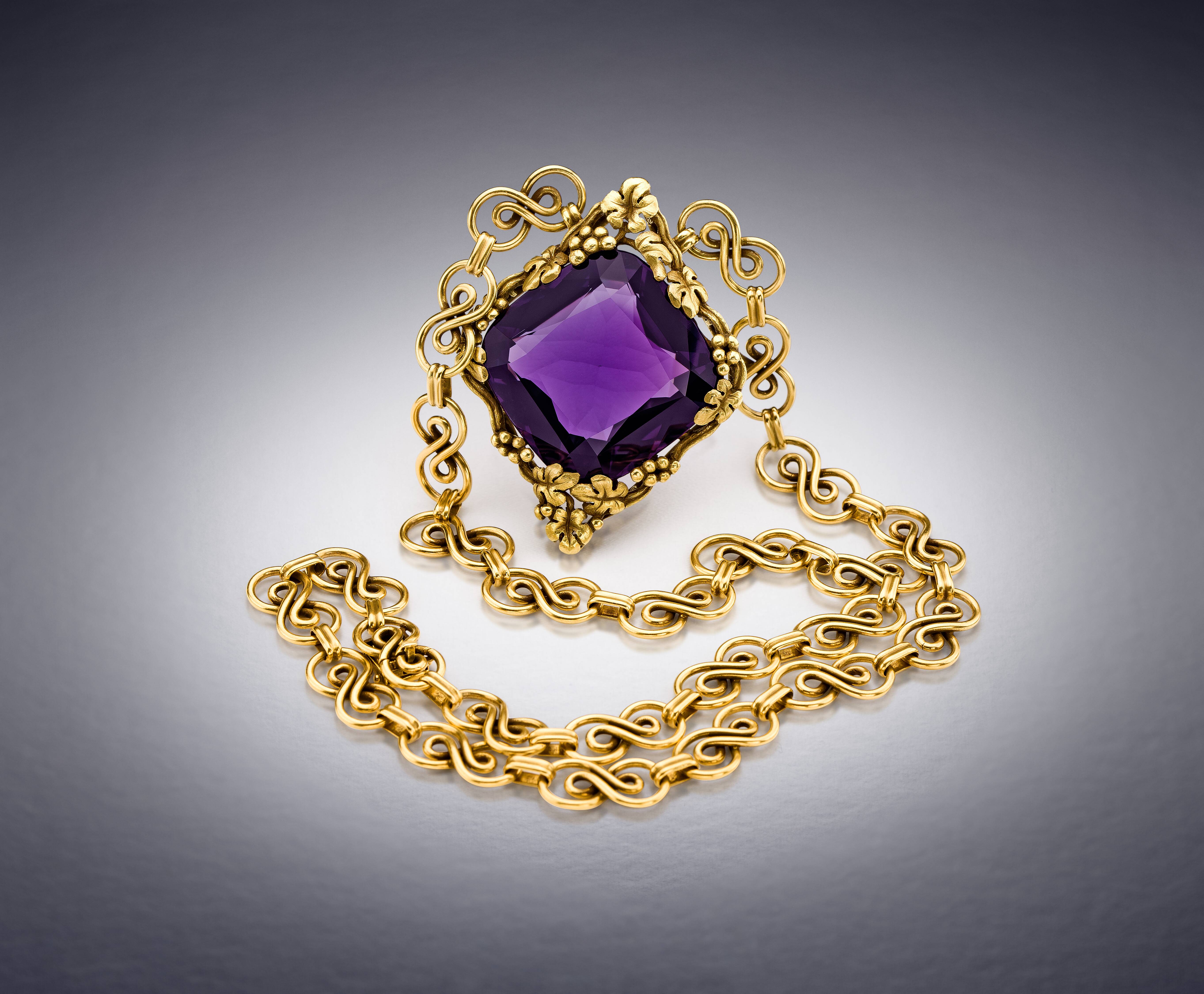
West African goldsmiths have long been known for their gold ornaments and jewelry. Although silver is the preferred metal of peoples in East Africa, gold ornaments are also common and eagerly sought by those who can afford them. This hollow armlet with amulet case was made by hammering sheets of gold into tubular shapes and applying tiny spheres and twisted wire on the surface in intricate patterns. The amulet was meant to contain verses from the Koran which were specially prepared and tightly wrapped by a specialist. In Somalia such amulets are worn close to the skin by both men and women who wish to promote health and well-being. On ceremonial occasions women wear gold jewelry with amulets, not only for protection but also as a symbol of their status.
Most of the silver- and goldwork on the Somalian coast is done by a guild of silversmiths and goldsmiths, who are considered an artisan caste. Although little has been published on the history of this tradition, it is believed that Somali jewelers, like the wood carvers, were inspired by Arabian and Indian prototypes.
Description
Hollow armlet with cylindrical amulet case, made of gold sheets hammered into tubular shapes, adorned with tiny gold spheres and twisted wire arranged in intricate patterns.
Provenance
Ambassador and Mrs. John Loughran, collected in Xamar Weyn market, Mogadishu, Somalia, 1975 to 1976
Exhibition History
Good As Gold: Fashioning Senegalese Women, National Museum of African Art, Smithsonian Institution, Washington, D.C., October 24, 2018-February 2, 2020; North Carolina Museum of Art, Raleigh, September 16, 2020-January 3, 2021
African Mosaic: Selections from the Permanent Collection, National Museum of African Art, Smithsonian Institution, Washington, D.C., November 19, 2013–August 12, 2019 (installed December 1, 2015 to February 26, 2018)
Inscribing Meaning: Writing and Graphic Systems in African Art, National Museum of African Art, Smithsonian Institution, May 9- August 26, 2007; Fowler Museum at University of California, Los Angeles, October 14, 2007-February 17, 2008
Published References
Kreamer, Christine, Mary Nooter Roberts, Elizabeth Harney and Allyson Purpura. 2007. Inscribing Meaning: Writing and Graphic Systems in African Art. Washington, D.C.: Smithsonian Institution; Milan: 5 Continents Editions, p. 60, no. 4.7.
National Museum of African Art. 1999. Selected Works from the Collection of the National Museum of African Art. Washington, D.C.: National Museum of African Art, Smithsonian Institution, p. 158, no. 114.
Content Statement
As part of our commitment to accessibility and transparency, the Smithsonian National Museum of African Art is placing its collection records online. Please note that some records are incomplete (missing image or content descriptions) and others reflect out-of-date language or systems of thought regarding how to engage with and discuss cultural heritage and the specifics of individual artworks. If you see content requiring immediate action, we will do our best to address it in a timely manner. Please email nmafacuratorial@si.edu if you have any questions.
Image Requests
High resolution digital images are not available for some objects. For publication quality photography and permissions, please contact the Eliot Elisofon Photographic Archives at https://africa.si.edu/research/eliot-elisofon-photographic-archives/
Credit Line
Gift of the Loughrans
Date
Early-mid 20th century
Object number
76-16-11
Restrictions & Rights
Usage conditions apply
Type
Jewelry
Medium
Gold alloy
Dimensions
H x W x D: 2.0 x 7.9 x 10.0 cm (13/16 x 3 1/8 x 3 15/16 in.)
Geography
Mogadishu, Somalia
See more items in
National Museum of African Art Collection
Data Source
National Museum of African Art
Topic
Adornment
Male use
Female use
Power
male
Link to Original Record
Record ID
nmafa_76-16-11