Skip to main content Skip to main navigation
heart-solid My Visit Donate
Home Smithsonian Institution IK development site for ODI
Press Enter to activate a submenu, down arrow to access the items and Escape to close the submenu.
    • Overview
    • Museums and Zoo
    • Entry and Guidelines
    • Museum Maps
    • Dine and Shop
    • Accessibility
    • Visiting with Kids
    • Group Visits
    • Overview
    • Exhibitions
    • Online Events
    • All Events
    • IMAX & Planetarium
    • Overview
    • Topics
    • Collections
    • Research Resources
    • Stories
    • Podcasts
    • Overview
    • For Caregivers
    • For Educators
    • For Students
    • For Academics
    • For Lifelong Learners
    • Overview
    • Become a Member
    • Renew Membership
    • Make a Gift
    • Volunteer
    • Overview
    • Our Organization
    • Our Leadership
    • Reports and Plans
    • Newsdesk
heart-solid My Visit Donate
  1. Home
  2. forward-slash
  3. About
  4. forward-slash
  5. Newsdesk
  6. forward-slash
  7. News Releases
  8. forward-slash
  9. National Museum of American History Showcases “Celluloid: The First Plastic”

About

  • Overview
  • Our Organization
    • Board of Regents
    • Museums and Zoo
    • Research Centers
    • Cultural Centers
    • Education Centers
    • General Counsel
    • Office of Human Resources
    • Office of Equal Opportunity
    • Office of Sponsored Projects
    • Office of Protection Services
  • Our Leadership
  • Reports and Plans
    • Annual Reports
    • Strategic Plan
    • Smithsonian Dashboard
  • Newsdesk
    • News Releases
    • Media Contacts
    • Photos and Video
    • Media Kits
    • Fact Sheets
    • Visitor Stats
    • Secretary and Admin Bios
    • Filming Requests

National Museum of American History Showcases “Celluloid: The First Plastic”
News Release

June 14, 2010


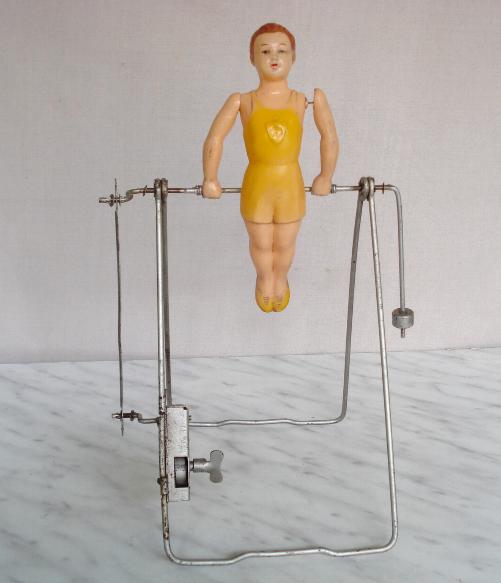
The Smithsonian’s National Museum of American History’s newest historical highlight case features “Celluloid: The First Plastic.” The case explores the many uses of celluloid and its contribution to the plastics industry in America and features a variety of objects, ranging from picture frames and postcards made in the 1890s to advertising calendars and toy animals from the 1940s. The objects came from Norman and Dadie Perlov, who donated 2,000 celluloid objects from their private collection to the museum in 2006.

Celluloid, the world’s first commercially successful plastic, was invented by John Wesley Hyatt in 1869. Hyatt originally invented celluloid to be used as a substitute for ivory in the manufacturing of billiard balls. Celluloid soon became common in the manufacturing of other items, such as cutlery sets, baby rattles, jewelry and table-tennis balls because of its inexpensive but highly durable qualities. Celluloid was the foundation that led to the development of the plastics manufacturing industry in America; however, its highly inflammable qualities made it hazardous to produce and the manufacture of most celluloid products ceased by the 1940s. Today celluloid is only used in the production of table-tennis balls, for which a successful substitute material has not been discovered.

The National Museum of American History collects, preserves and displays American heritage in the areas of social, political, cultural, scientific and military history. To mark the 50th anniversary of the Greensboro lunch counter sit-in, the museum explores stories of freedom and justice, both in Washington and online. To learn more about the museum, check http://americanhistory.si.edu. For Smithsonian information, the public may call (202) 633-1000, (202) 633-5285 (TTY).

# # #

SI-260-2010


Tags

  • American History Museum
arrow-up Back to top
Home
  • Facebook facebook
  • Instagram instagram
  • LinkedIn linkedin
  • YouTube youtube

  • Contact Us
  • Get Involved
  • Shop Online
  • Job Opportunities
  • Equal Opportunity
  • Inspector General
  • Records Requests
  • Accessibility
  • Host Your Event
  • Press Room
  • Privacy
  • Terms of Use