Skip to main content Skip to main navigation
heart-solid My Visit Donate
Home Smithsonian Institution IK development site for ODI
Press Enter to activate a submenu, down arrow to access the items and Escape to close the submenu.
    • Overview
    • Museums and Zoo
    • Entry and Guidelines
    • Museum Maps
    • Dine and Shop
    • Accessibility
    • Visiting with Kids
    • Group Visits
    • Overview
    • Exhibitions
    • Online Events
    • All Events
    • IMAX & Planetarium
    • Overview
    • Topics
    • Collections
    • Research Resources
    • Stories
    • Podcasts
    • Overview
    • For Caregivers
    • For Educators
    • For Students
    • For Academics
    • For Lifelong Learners
    • Overview
    • Become a Member
    • Renew Membership
    • Make a Gift
    • Volunteer
    • Overview
    • Our Organization
    • Our Leadership
    • Reports and Plans
    • Newsdesk
heart-solid My Visit Donate
  1. Home
  2. forward-slash
  3. About
  4. forward-slash
  5. Newsdesk
  6. forward-slash
  7. News Releases
  8. forward-slash
  9. Killer Bees May Increase Food Supplies for Native Bees

About

  • Overview
  • Our Organization
    • Board of Regents
    • Museums and Zoo
    • Research Centers
    • Cultural Centers
    • Education Centers
    • General Counsel
    • Office of Human Resources
    • Office of Equal Opportunity
    • Office of Sponsored Projects
    • Office of Protection Services
  • Our Leadership
  • Reports and Plans
    • Annual Reports
    • Strategic Plan
    • Smithsonian Dashboard
  • Newsdesk
    • News Releases
    • Media Contacts
    • Photos and Video
    • Media Kits
    • Fact Sheets
    • Visitor Stats
    • Secretary and Admin Bios
    • Filming Requests

Killer Bees May Increase Food Supplies for Native Bees
News Release

September 30, 2009

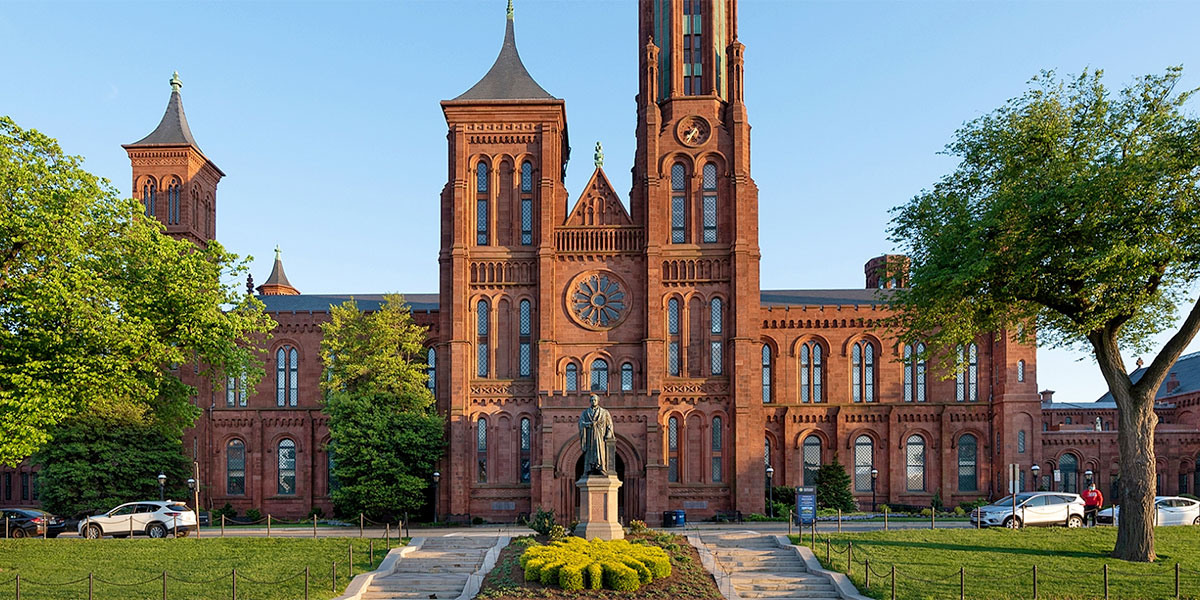
Red brick building with large windows, spires and manicured landscaping in front.

Media Contact

Beth King

  • envelope kingb@si.edu
  • phone 202-633-4700 x 28216

Monica Alvarado

  • envelope alvaradom@si.edu
  • phone (703) 487-3772, ext. 8023

Aggressive African bees were accidentally released in Brazil in 1957. As “killer bees” spread northward, David Roubik, staff scientist at the Smithsonian Tropical Research Institute, began a 17-year study that revealed that Africanized bees caused less damage to native bees than changes in the weather and may have increased the availability of their food plants.

Scientists feared that dangerous swarms of Africanized bees would compete with native bees. Roubik took on the daunting task of sorting out the role of invading pollinators in tropical forests. In 1988, he set up bee traps in Sian Ka’an Biosphere Reserve—a vast area of mature tropical rainforest in Quintana Roo state on the Mexican Yucatan—with Rogel Villanueva-Gutiérrez, professor at the Colegio de la Frontera del Sur in Mexico. Africanized bees arrived in 1989.

“Our long view of the invasion shows that bees maintain higher-order evolutionary relationships with plants despite ups and downs in bee species within families,” said Roubik. “Evolutionary relationships between bees and flowers, along with their flowering schedules, may be the fundamental currency that maintains this community.”

Pollen from each plant species has a unique shape. Researchers compared pollen on bees in traps to pollen from flowers in the forest to determine which plants the bees were visiting.

Over the next 17 years, a severe drought and three hurricanes devastated native bees, but their populations rebounded each time. Africanized bees took over pollination of two plant families that had been important food sources for native bees: the cashew family and the spurge family. However, Pouteria, one of the plants native bees prefer, became more common. A few rare species of bees disappeared from traps later in the study.

Roubik cautions that native populations in less diverse areas might be less resilient to invasions. “Basically we’re seeing ‘scramble competition’ as bees replace a lost source of pollen with pollen from a related plant species that has a similar flowering peak—in less-biodiverse, unprotected areas, bees would not have the same range of options to turn to.”

These results are published in the Biol. J. Linnean Soc.

# # #

SI-437-2009


Tags

  • Research News
  • Tropical Research Institute
arrow-up Back to top
Home
  • Facebook facebook
  • Instagram instagram
  • LinkedIn linkedin
  • YouTube youtube

  • Contact Us
  • Get Involved
  • Shop Online
  • Job Opportunities
  • Equal Opportunity
  • Inspector General
  • Records Requests
  • Accessibility
  • Host Your Event
  • Press Room
  • Privacy
  • Terms of Use