Skip to main content Skip to main navigation
heart-solid My Visit Donate
Home Smithsonian Institution IK development site for ODI
Press Enter to activate a submenu, down arrow to access the items and Escape to close the submenu.
    • Overview
    • Museums and Zoo
    • Entry and Guidelines
    • Museum Maps
    • Dine and Shop
    • Accessibility
    • Visiting with Kids
    • Group Visits
    • Overview
    • Exhibitions
    • Online Events
    • All Events
    • IMAX & Planetarium
    • Overview
    • Topics
    • Collections
    • Research Resources
    • Stories
    • Podcasts
    • Overview
    • For Caregivers
    • For Educators
    • For Students
    • For Academics
    • For Lifelong Learners
    • Overview
    • Become a Member
    • Renew Membership
    • Make a Gift
    • Volunteer
    • Overview
    • Our Organization
    • Our Leadership
    • Reports and Plans
    • Newsdesk
heart-solid My Visit Donate
  1. Home
  2. forward-slash
  3. About
  4. forward-slash
  5. Newsdesk
  6. forward-slash
  7. Photos and Video
  8. forward-slash
  9. Shell deposits at Tseshaht First Nation village in the Pacific Northwest

About

  • Overview
  • Our Organization
    • Board of Regents
    • Museums and Zoo
    • Research Centers
    • Cultural Centers
    • Education Centers
    • General Counsel
    • Office of Human Resources
    • Office of Equal Opportunity
    • Office of Sponsored Projects
    • Office of Protection Services
  • Our Leadership
  • Reports and Plans
    • Annual Reports
    • Strategic Plan
    • Smithsonian Dashboard
  • Newsdesk
    • News Releases
    • Media Contacts
    • Photos and Video
    • Media Kits
    • Fact Sheets
    • Visitor Stats
    • Secretary and Admin Bios
    • Filming Requests

Shell deposits at Tseshaht First Nation village in the Pacific Northwest
Media Photo/Video

May 3, 2022

Iain McKechnie

download Download 8_pnw_iain.jpeg

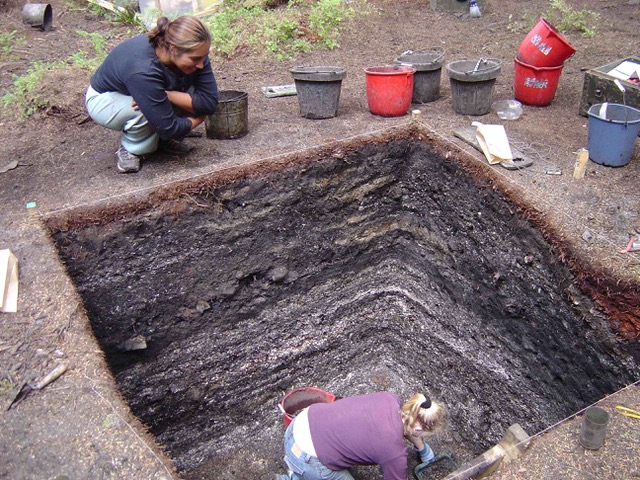
Dense shell midden deposit spanning the past 1,000 years as exposed during excavation at a Tseshaht First Nation village in the Pacific Northwest.

A new global study of Indigenous oyster fisheries co-led by Smithsonian’s National Museum of Natural History anthropologist Torben Rick and Temple University anthropologist and former Smithsonian postdoctoral fellow Leslie Reeder-Myers shows that oyster fisheries were hugely productive and sustainably managed on a massive scale over hundreds and even thousands of years of intensive harvest. The study’s broadest finding was that long before European colonizers arrived, the Indigenous groups in these locations harvested and ate immense quantities of oysters in a manner that did not appear to cause the bivalves’ populations to suffer and crash. 

SI-157-2022
Tags
Research News

Tags

  • Natural History Museum
  • Research News

Related Media

Low tide on a bay

Image

document

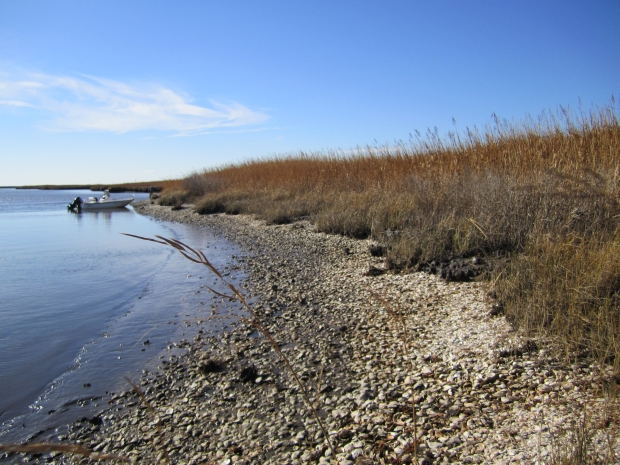
Eroding Late Holocene Native American oyster midden at low tide in Fishing Bay, Maryland

05.03.2022

Image

document

Crystal River site in Florida with shell mounds

05.03.2022

Image

document

Crystal River site in Florida with shell mound

05.03.2022

Image

document

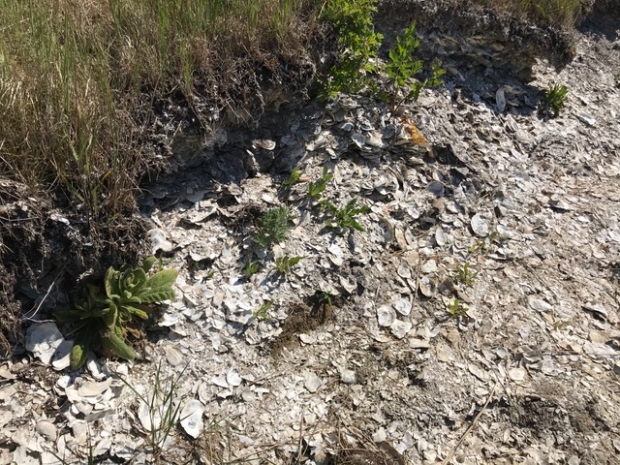
Close-up a shell midden or deposit of oysters on the Damariscotta River in Maine

05.03.2022

Image

document

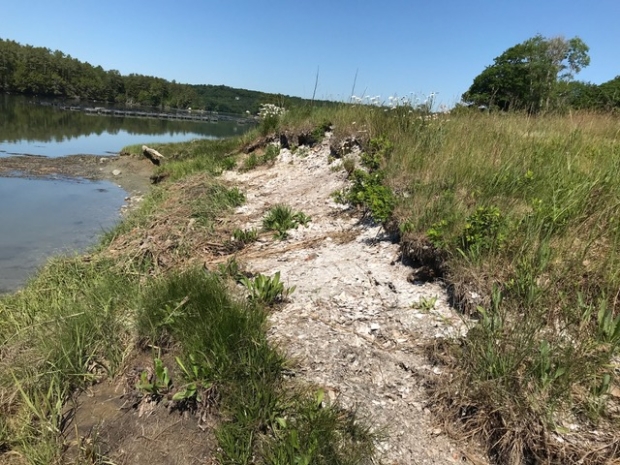
Shell midden or deposit of oysters on the Damariscotta River in Maine

05.03.2022
Small pit of archeological materials

Image

document

Accumulation of oyster, other shellfish, animal bone and artifacts

05.03.2022
Archival photo of earth mound

Image

document

West Berkeley Shell Mound in California exposed during excavation

05.03.2022

Related Content

  • Low tide on a bay

    Indigenous Peoples Have Shucked Billions of Oysters Around the World Sustainably

    A new global study of Indigenous oyster fisheries co-led by Smithsonian’s National Museum of Natural History anthropologist

    • May 3, 2022
    • News Release
    • Natural History Museum
    • Research News
arrow-up Back to top
Home
  • Facebook facebook
  • Instagram instagram
  • LinkedIn linkedin
  • YouTube youtube

  • Contact Us
  • Get Involved
  • Shop Online
  • Job Opportunities
  • Equal Opportunity
  • Inspector General
  • Records Requests
  • Accessibility
  • Host Your Event
  • Press Room
  • Privacy
  • Terms of Use