Skip to main content Skip to main navigation
heart-solid My Visit Donate
Home Smithsonian Institution IK development site for ODI
Press Enter to activate a submenu, down arrow to access the items and Escape to close the submenu.
    • Overview
    • Museums and Zoo
    • Entry and Guidelines
    • Museum Maps
    • Dine and Shop
    • Accessibility
    • Visiting with Kids
    • Group Visits
    • Overview
    • Exhibitions
    • Online Events
    • All Events
    • IMAX & Planetarium
    • Overview
    • Topics
    • Collections
    • Research Resources
    • Stories
    • Podcasts
    • Overview
    • For Caregivers
    • For Educators
    • For Students
    • For Academics
    • For Lifelong Learners
    • Overview
    • Become a Member
    • Renew Membership
    • Make a Gift
    • Volunteer
    • Overview
    • Our Organization
    • Our Leadership
    • Reports and Plans
    • Newsdesk
heart-solid My Visit Donate
  1. Home
  2. forward-slash
  3. About
  4. forward-slash
  5. Newsdesk
  6. forward-slash
  7. Photos and Video
  8. forward-slash
  9. NMNH - Bennu, D - Encleadus Plumes, Image by NASA/JPL/Space Science Institute

About

  • Overview
  • Our Organization
    • Board of Regents
    • Museums and Zoo
    • Research Centers
    • Cultural Centers
    • Education Centers
    • General Counsel
    • Office of Human Resources
    • Office of Equal Opportunity
    • Office of Sponsored Projects
    • Office of Protection Services
  • Our Leadership
  • Reports and Plans
    • Annual Reports
    • Strategic Plan
    • Smithsonian Dashboard
  • Newsdesk
    • News Releases
    • Media Contacts
    • Photos and Video
    • Media Kits
    • Fact Sheets
    • Visitor Stats
    • Secretary and Admin Bios
    • Filming Requests

NMNH - Bennu, D - Encleadus Plumes, Image by NASA/JPL/Space Science Institute

Media Photo/Video

January 29, 2025

Image of surface of planet with rays light projecting out against black space.

download Download nmnh_-_bennu_encleadus_plumes.jpg

Enceladus’ surface jets emitting plumes while backlit by the sun, as observed by NASA’s Cassini spacecraft.

These plumes reach hundreds of miles above the surface of Enceladus and likely contain material from an organic-rich subsurface ocean with salty, sodium-rich water, similar to what may have been found on Bennu’s parent body 4.5 billion years ago.
Tags
Research News

Tags

  • Natural History Museum
  • Research News

Related Media

Image

document

NMNH - Bennu, 1

01.29.2025

Image

document

NMNH - Bennu, 2

01.29.2025

Image

document

NMNH - Bennu, 3

01.29.2025

Image

document

NMNH - Bennu, 4

01.29.2025
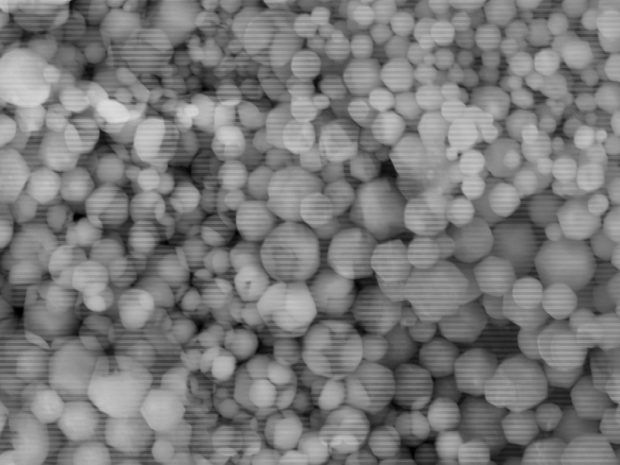
Magnesium sodium phosphate shown as red

Image

document

NMNH - Bennu, 5

01.29.2025

Image

document

NMNH - Bennu, McCoy and Corrigan

01.29.2025

Image

document

NMNH - Bennu, McCoy and Wardell

01.29.2025

Image

document

NMNH - Bennu, McCoy and Co-authors

01.29.2025

Image

document

NMNH - Bennu, Mineral examples

01.29.2025

Image

document

NMNH - Bennu, Saturns E Ring with Enceladus, Image by NASA

01.29.2025

Image

document

NMNH - Bennu, Asteroid

01.29.2025

Image

document

NMNH - Bennu, Sample capsule

01.29.2025

Image

document

NMNH - Bennu, Sample Houston

01.29.2025

Related Content

  • Traces of Ancient Brine Discovered on the Asteroid Bennu Contain Minerals Crucial to Life

    A new analysis of samples from the asteroid Bennu, NASA’s first asteroid sample captured in space and delivered to Earth, reveals that evaporated water left a briny broth where salts and minerals a

    • January 29, 2025
    • News Release
    • Natural History Museum
    • Research News
arrow-up Back to top
Home
  • Facebook facebook
  • Instagram instagram
  • LinkedIn linkedin
  • YouTube youtube

  • Contact Us
  • Get Involved
  • Shop Online
  • Job Opportunities
  • Equal Opportunity
  • Inspector General
  • Records Requests
  • Accessibility
  • Host Your Event
  • Press Room
  • Privacy
  • Terms of Use