Skip to main content Skip to main navigation
heart-solid My Visit Donate
Home Smithsonian Institution IK development site for ODI
Press Enter to activate a submenu, down arrow to access the items and Escape to close the submenu.
    • Overview
    • Museums and Zoo
    • Entry and Guidelines
    • Museum Maps
    • Dine and Shop
    • Accessibility
    • Visiting with Kids
    • Group Visits
    • Overview
    • Exhibitions
    • Online Events
    • All Events
    • IMAX & Planetarium
    • Overview
    • Topics
    • Collections
    • Research Resources
    • Stories
    • Podcasts
    • Overview
    • For Caregivers
    • For Educators
    • For Students
    • For Academics
    • For Lifelong Learners
    • Overview
    • Become a Member
    • Renew Membership
    • Make a Gift
    • Volunteer
    • Overview
    • Our Organization
    • Our Leadership
    • Reports and Plans
    • Newsdesk
heart-solid My Visit Donate
  1. Home
  2. forward-slash
  3. About
  4. forward-slash
  5. Newsdesk
  6. forward-slash
  7. Photos and Video
  8. forward-slash
  9. Inka Road: Spondylus princeps (mullu) belt

About

  • Overview
  • Our Organization
    • Board of Regents
    • Museums and Zoo
    • Research Centers
    • Cultural Centers
    • Education Centers
    • General Counsel
    • Office of Human Resources
    • Office of Equal Opportunity
    • Office of Sponsored Projects
    • Office of Protection Services
  • Our Leadership
  • Reports and Plans
    • Annual Reports
    • Strategic Plan
    • Smithsonian Dashboard
  • Newsdesk
    • News Releases
    • Media Contacts
    • Photos and Video
    • Media Kits
    • Fact Sheets
    • Visitor Stats
    • Secretary and Admin Bios
    • Filming Requests

Inka Road: Spondylus princeps (mullu) belt
Media Photo/Video

May 28, 2015

download Download 199222_000_001_20140321_ps.jpg

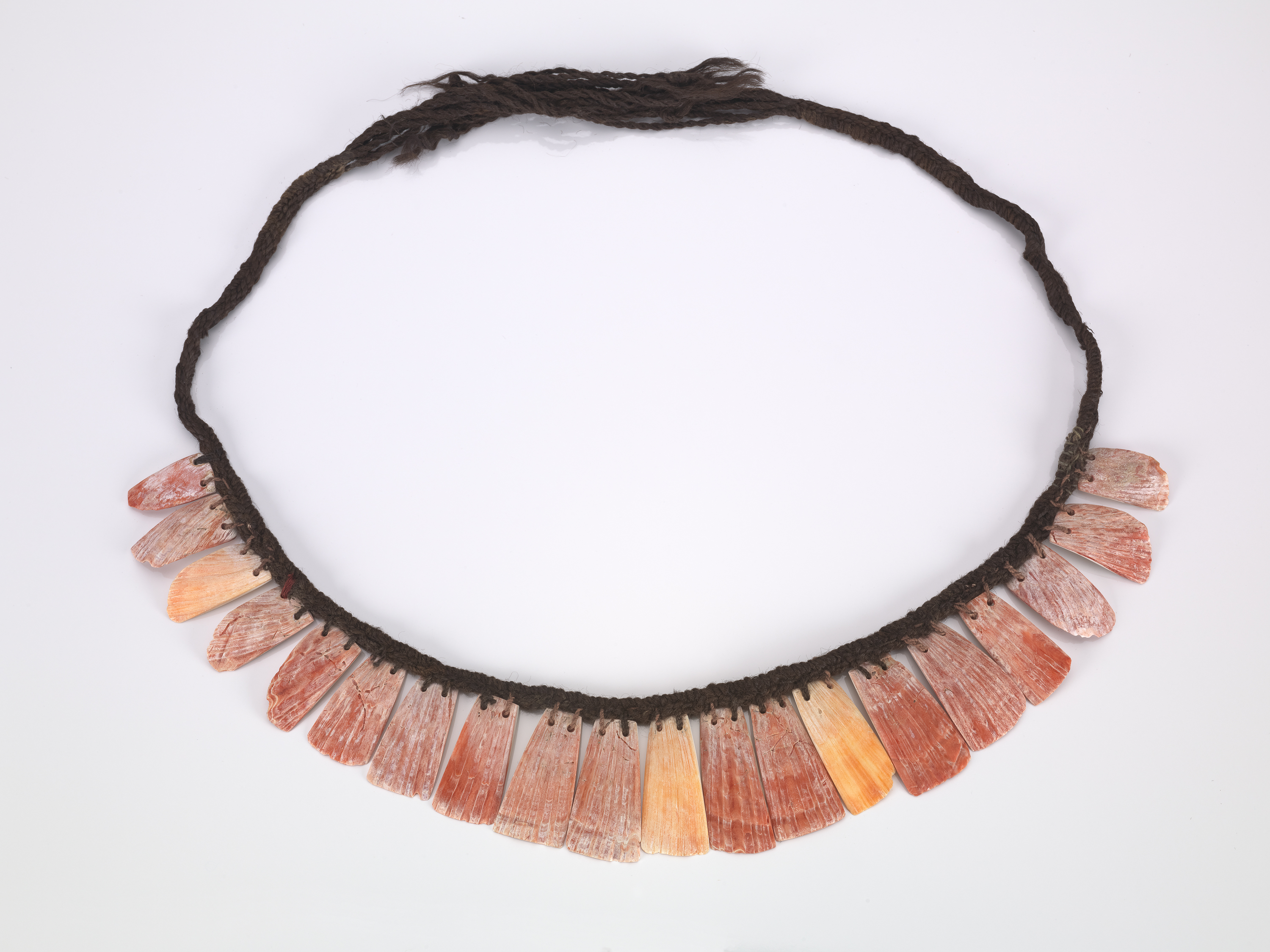
Spondylus princeps (mullu) belt, ca. AD 1450. Nasca region, Peru. Spondylus shell, wool, 131 x 7.5 cm


This belt is made of Spondylus princeps, a type of thorny oyster found off the coast of Ecuador. It is known as mullu in Quechua and was a highly prized religious material throughout the Andes. It was left as an offering at
temples and other sacred places and carved into ornaments worn by the Inka ruler, priests, and other elite figures in Inka society.

Photo by Ernest Amoroso / National Museum of the American Indian


Tags

  • American Indian Museum

Related Media

Image

document

Inka Road

05.29.2015

Image

document

Inka Road

05.29.2015

Image

document

Inka Road: Arybalo

05.28.2015

Image

document

Inka Road: Coca bag

05.28.2015

Image

document

Inka Road: Gold figure

05.28.2015

Image

document

Inka Road: Khipu

05.28.2015

Image

document

Inka Road: Manta

05.28.2015

Image

document

Inka Road: Qero cups

05.28.2015

Related Content

  • Inka Road Remains a Monumental Achievement in Engineering After 500 Years of Continuous Use

    Versión en español
    • May 14, 2015
    • News Release
    • American Indian Museum
arrow-up Back to top
Home
  • Facebook facebook
  • Instagram instagram
  • LinkedIn linkedin
  • YouTube youtube

  • Contact Us
  • Get Involved
  • Shop Online
  • Job Opportunities
  • Equal Opportunity
  • Inspector General
  • Records Requests
  • Accessibility
  • Host Your Event
  • Press Room
  • Privacy
  • Terms of Use