National Museum of Natural History
Media Contact
Randall Kremer
Ryan Lavery
Jack Tamisiea
Emma Saaty
Background
The Smithsonian’s National Museum of Natural History connects people everywhere to Earth’s unfolding story. Its researchers, scientific collections, free exhibitions and educational programs address fundamental questions, spark curiosity and illuminate the beauty and wonder of the planet. Kirk Johnson is the Sant Director of the museum.
Research and Staff
The scientific research staff is organized into seven departments: anthropology, botany, entomology, mineral sciences, invertebrate zoology, paleobiology and vertebrate zoology. Museum programs address current topics, such as biological diversity, global climate change, molecular systematics for enhancing the understanding of the relationship between living things, ecosystem modeling and the documentation and preservation of human cultural heritages.
In 2024, the museum’s scientific staff authored 661 scholarly publications and discovered 122 new species.
Collections
The museum holds more than 148 million objects and specimens, making it the largest natural history collection in the world. Approximately half of the collection is maintained at the Smithsonian’s Museum Support Center in Suitland, Maryland, which provides state-of-the-art conditions for storage and conservation of collections as well as a library and advanced research facilities. In 2024, researchers and staff added 91,820 new specimens to the museum’s collection.
Permanent Exhibitions
- The David H. Koch Hall of Fossils - Deep Time invites visitors to travel through ancient ecosystems, witness the evolution of life and get up close to some 700 fossil specimens, including dramatically posed giants like Tyrannosaurus rex, Diplodocus and the woolly mammoth. In a massive, 31,000-square-foot exhibition space spanning 4.6 billion years of Earth’s history, visitors will explore the epic story of how Earth’s distant past is connected to the present and informs the future. The space also features the museum’s FossiLab, a glass-enclosed lab that allows visitors to watch museum paleontologists and trained volunteers extract fossils from rock and make fossil casts and molds.
- The Janet Annenberg Hooker Hall of Geology, Gems and Minerals showcases the Hope Diamond, the Winston Red and other treasures from the National Gem Collection. It also encompasses recreated mines and galleries that present important research in mineral chemistry and physics; plate tectonics, seismology and the study of volcanoes; and planetary science. In 2023, the museum unveiled the first public display of a sample of the asteroid Bennu collected during NASA’s OSIRIS-REx mission in the hall.
- The Sant Ocean Hall demonstrates how the ocean is intrinsically connected to other global systems and the daily lives of people around the world. Features include male and female giant squids and an exact replica of a living North Atlantic right whale.
- The David H. Koch Hall of Human Origins explores the epic story of how the human species evolved over 6 million years, adapting and surviving during an era of dramatic climate change. It features more than 285 early human fossils and artifacts, lifelike full-size reconstructions of several hominid species and 23 interactive experiences, including a morphing station where visitors can see what they would look like as early humans.
- Eternal Life in Ancient Egypt combines rare artifacts and cutting-edge research tools to illuminate how Smithsonian scientists have pieced together the lives of ancient Egyptians through their burial practices and rituals in preparation for their eternal life.
- The Kenneth E. Behring Family Hall of Mammals tells the story of mammal evolution across 225 million years, with more than 274 specimens on permanent display. Designed with families in mind, the hall includes four discovery zones with hands-on activities that help visitors explore an array of mammal adaptations and habitats around the world.
- The O. Orkin Insect Zoo offers visitors a variety of exhibits containing live insects and other critters—including spiders, scorpions and centipedes—and plenty of hands-on activities.
- The Bone Hall features almost 300 vertebrate skeletons of species ranging from salamanders to whales. It highlights the diversity and unity of every major group of vertebrates, supporting ideas of evolution.
- African Voices examines the diversity, dynamism and global influence of Africa’s peoples and cultures over time in the realms of family, work, community and the natural environment. It includes historical and contemporary objects from the museum’s collection and commissioned sculptures, textiles and pottery. Video interactives and sound stations provide selections from contemporary interviews, literature, proverbs, prayers, folk tales, songs and oral epics.
Education and Outreach
The museum offers a variety of educational programs for people of all ages. Visitors can engage on-site and online with scientists, collections and research that happens in the lab and in the field.
The museum’s innovative learning space, Q?rius, The Coralyn W. Whitney Science Education Center, inspires students, families and educators to explore their world through a scientific lens by directly interacting with science experts and more than 6,000 specimens, including bones, minerals and fossils. School programs aligned with the Next Generation Science Standards are available for K–12 student groups on weekday mornings by reservation.
In 2024, the museum provided 600 school programs for more than 15,500 students, both in Q?rius and virtually. These programs allowed K–12 students to explore everything from marine ecosystems to the natural minerals powering their cellphones.
The museum’s education webpages logged more than a million views in 2024. Most gravitated toward the museum’s 400 digital teaching resources and short explainer videos on topics like minerals and insects. Visitors can also dive deeper into topics like marine science and human evolution through the museum’s Ocean Portal and Human Origins websites.
About the Museum
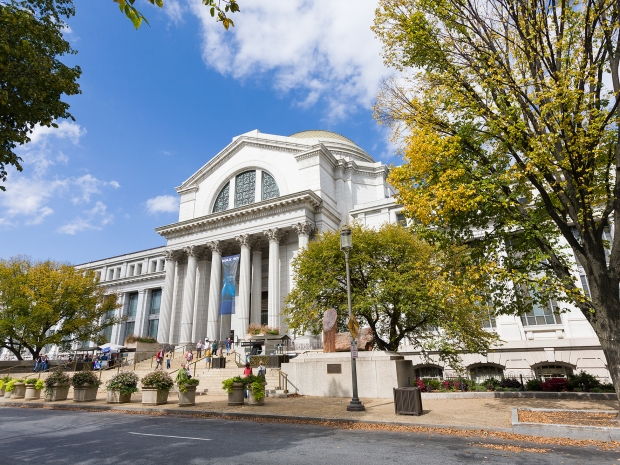
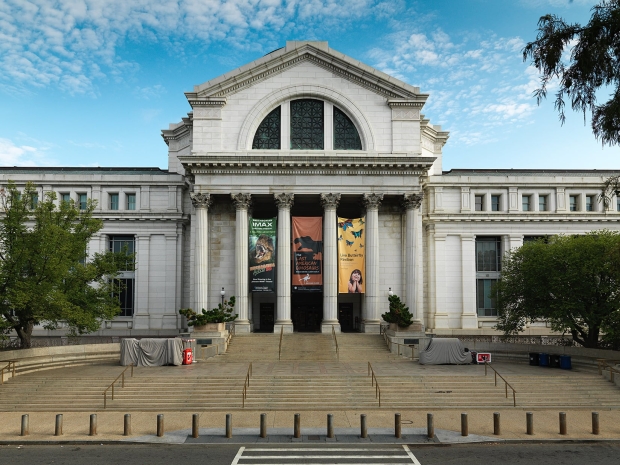
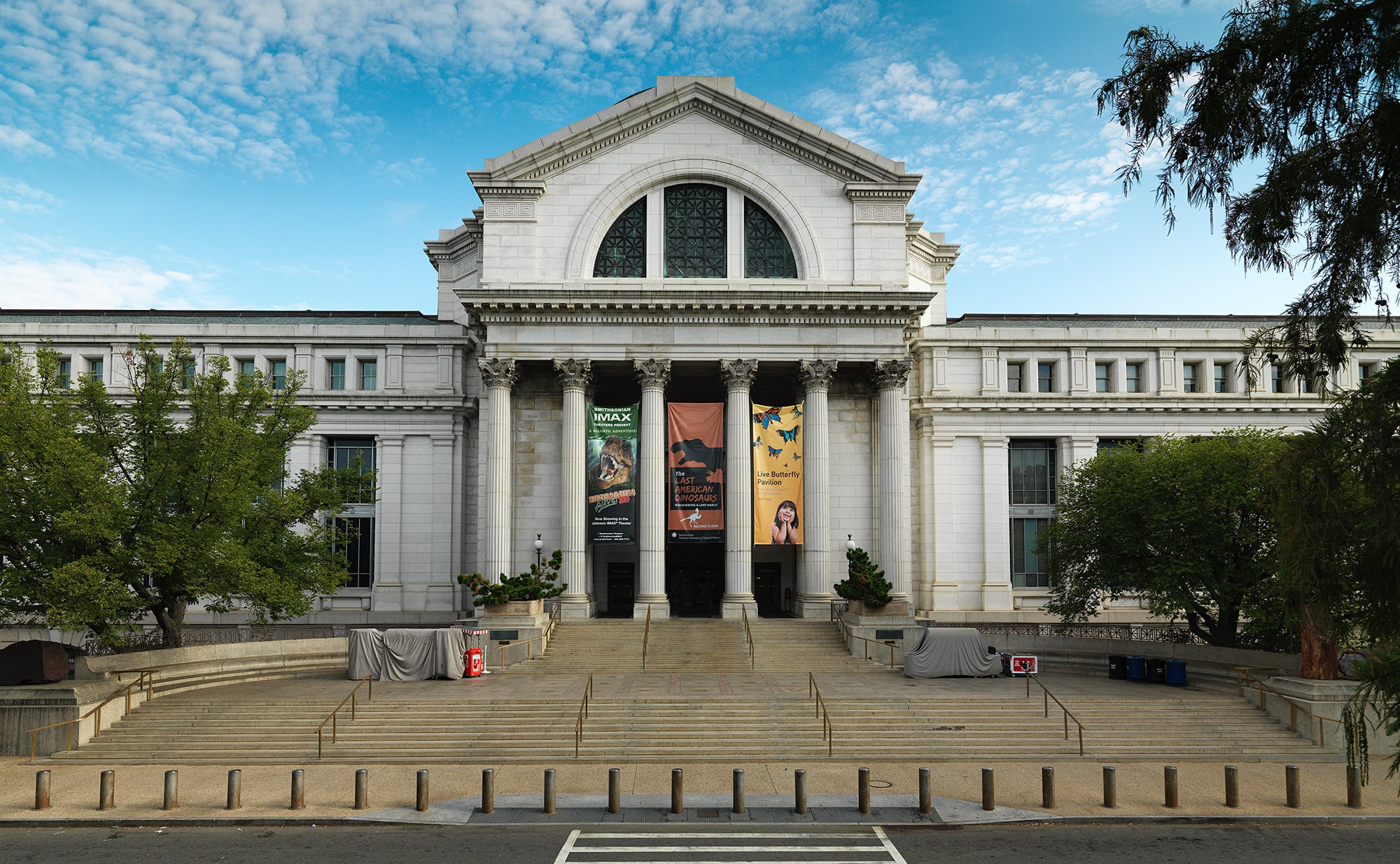
The Smithsonian’s National Museum of Natural History, located at 10th Street and Constitution Avenue N.W., Washington, D.C., is one of the most visited natural history museums in the world. Opened in 1910, the museum houses the world’s largest collection of natural history specimens and artifacts. The museum is open daily (closed Dec. 25) from 10 a.m. to 5:30 p.m. Admission is free. For more information, visit the museum on its website and Facebook, LinkedIn and Instagram.
# # #
SI-228-2025