
Digitization of Smithsonian Collections
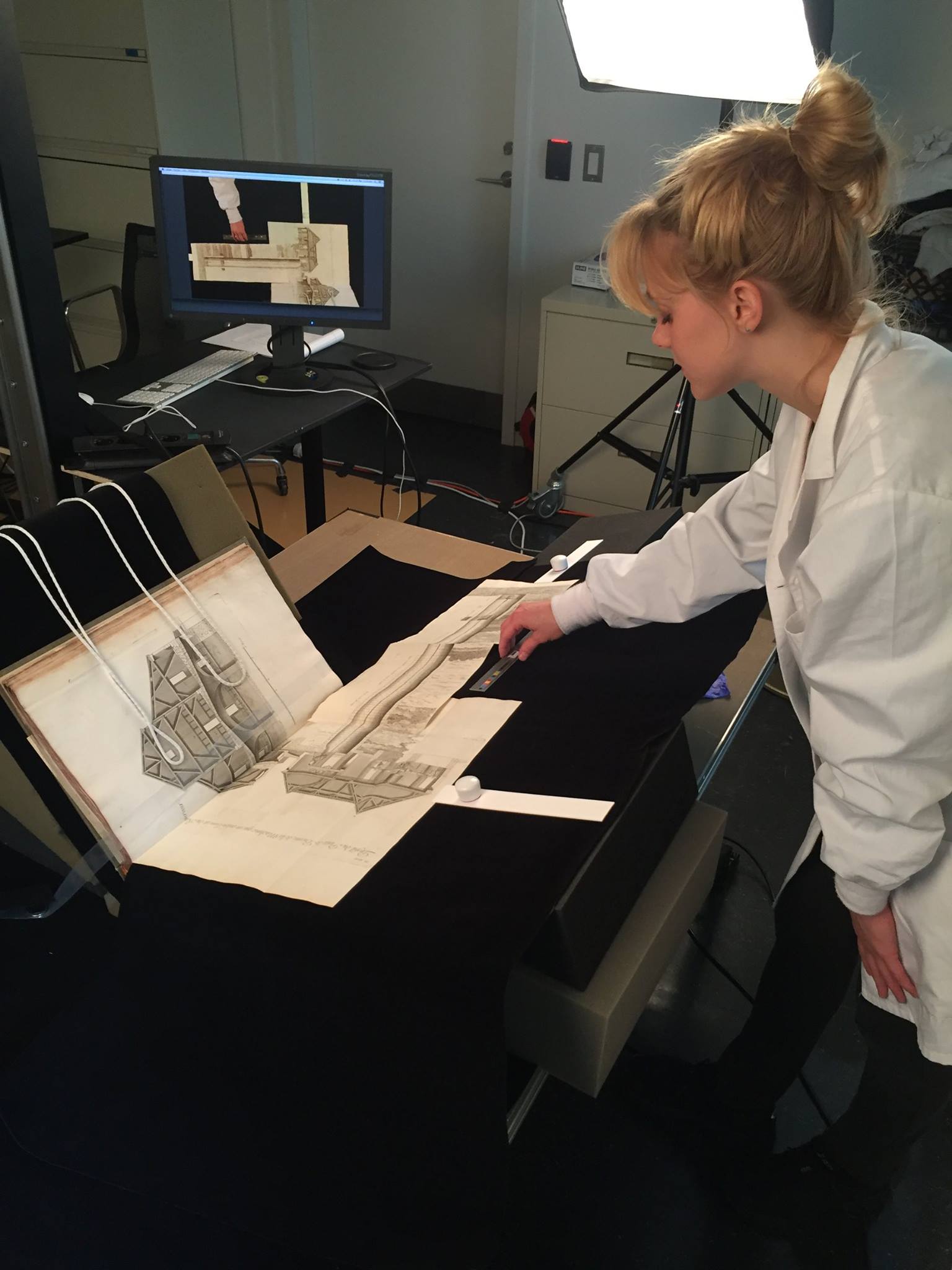
Through digitization, the Smithsonian seeks to broaden access to its treasures, safeguard them for future generations, speed research, add meaning, encourage collaboration and integrate its holdings across museums and programs, and on platforms where audiences engage with us.
The Smithsonian’s Digitization Program Office uses state-of-the-art mass digitization and 3-D digitization technologies to increase the quality, quantity and impact of its digitized collections. The Smithsonian Transcription Center engages “volunpeers” to make its digital collections more accessible through collaborative transcription projects that provide context for these collections.
Digital Images
Museum Object/Specimen Collections
- The Smithsonian currently holds 155.5 million objects/specimens, which include artworks, cultural artifacts and scientific specimens.
- 19 million of these museum objects/specimens (12%) are prioritized for digital image creation. These materials include the vast majority of artworks and historic and cultural objects. Among those materials not to be digitized are scientific specimens of which multiple examples exist.
- Currently, the Smithsonian has digitized 4.9 million (26%) of these prioritized objects/specimens.
Archival Materials
- The Smithsonian currently holds 163,000 cubic feet of archival material. These materials include personal papers, business records, photographs, recordings and film. If placed end-to-end, all boxes of material in the archival collection would extend approximately 30 miles.
- 101,000 cubic feet of archival materials (62%) are prioritized for digital image creation.
- Currently 28,000 cubic feet (28%) of these prioritized collections have been digitized according to Smithsonian archival standards.
Library Volumes
- The Smithsonian currently holds 2.2 million library volumes. These materials include special collections and American trade literature.
- 783,000 library volumes (35%) are prioritized for digital image creation.
- Currently, the Smithsonian has digitized 57,000 (7.3%) of these prioritized library volumes.
Digital Records
Museum Objects/Specimens—The Smithsonian has created 8.9 million digital records (descriptive information such as object name, size, location, description, etc.) for its collection objects/specimens and estimates that an additional 42 million digital records will be required to describe the entire 155.5 million object/specimen collections. Depending on the object type, one digital record can represent multiple items.
Archival Materials—The Smithsonian has created 706,000 digital records for archival material and estimates that an additional 1.6 million digital records will be required to describe the entire 163,000-cubic-foot collection.
Library Volumes—The Smithsonian has created 1.5 million digital records describing library holdings and estimates that an additional 720,000 records will be required to describe the entire 2.2 million volumes.
The Smithsonian’s digitized materials are available on our Collections Search Center website, and on education and research platforms such as Learning Lab, 3D.si.edu, the Digital Public Library of America, and the Global Biodiversity Information Network.
# # #
SI-270-2019